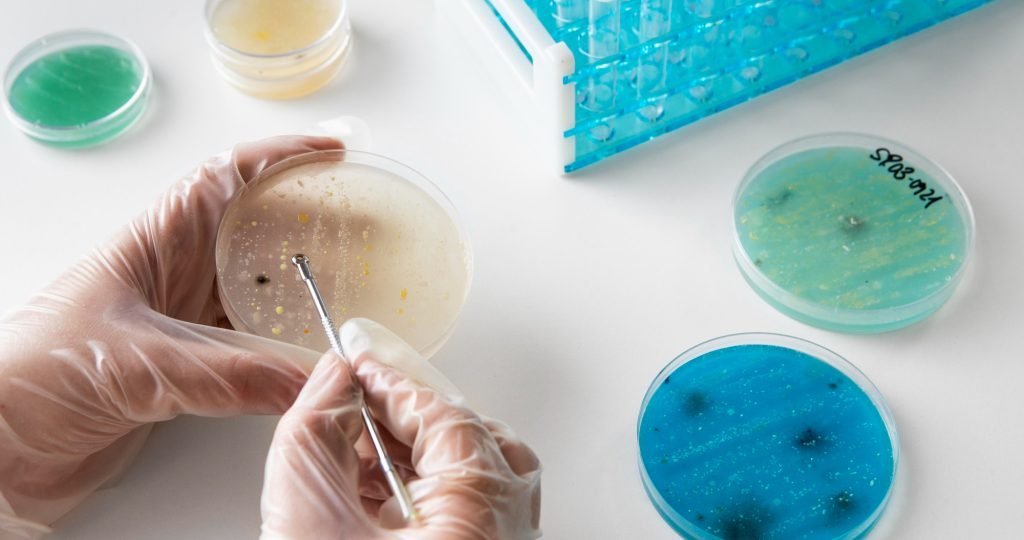
The FDA, CDC, and USDA launch the 2026–2030 NARMS Strategic Plan, advancing 30 years of One Health surveillance against antimicrobial resistance with AI and WGS.
Written By: Kalyani Boharapi,
M.Pharm (Reg. Affairs)
Reviewed By: Pharmacally Editorial Team
The U.S. Food and Drug Administration (FDA), in collaboration with the Centers for Disease Control and Prevention (CDC) and the U.S. Department of Agriculture (USDA), has unveiled the National Antimicrobial Resistance Monitoring System (NARMS) Strategic Plan 2026–2030, marking three decades of coordinated antimicrobial resistance (AMR) surveillance in the United States. The new strategy builds on the program’s evolution into a comprehensive One Health framework and outlines priorities to strengthen monitoring, accelerate data sharing, and support evidence-based policy to counter the growing threat of AMR.
Three Strategic Priorities Guide the Next Five Years
Established in 1996, NARMS tracks antimicrobial resistance in enteric (gut-dwelling) bacteria such as Salmonella and Campylobacter collected from humans, food-producing animals, retail meats, and environmental sources through federal, state, and local public health partnerships. Over the past 30 years, the program has evolved from basic antibiotic susceptibility testing into a nationwide surveillance network powered by whole genome sequencing (WGS).
The 2026–2030 Strategic Plan focuses on three core priorities:
- Strengthening Core Surveillance: Maintaining robust AMR monitoring across human, animal, food, and environmental sources.
- Expanding Collaborative Networks: Fostering deeper partnerships among government agencies, academia, industry, and public health organizations.
- Embracing Innovation: Integrating emerging genomic technologies, artificial intelligence (AI), metagenomics, and advanced bioinformatics into surveillance and analysis.
These priorities aim to improve monitoring accuracy, promote real-time data sharing, and translate surveillance findings directly into public health interventions.
One Health Approach as the Foundation
The plan reinforces NARMS’ commitment to a One Health approach, recognizing that human, animal, food, and environmental health are deeply interconnected in how resistance emerges and spreads.
Under the new roadmap, NARMS will maintain routine susceptibility testing and genomic sequencing while expanding monitoring into imported foods, additional retail food products, environmental surface waters, and selected livestock species. The plan also emphasizes adopting predictive analytics, plasmid tracking, metagenomics, and AI to better understand how resistance spreads across ecosystems.
Translating Data into Public Health Action
Beyond data collection, NARMS plans to improve public access to genomic and phenotypic resistance data through expanded web dashboards and public database deposits. These tools will assist clinicians, researchers, and policymakers in identifying emerging trends.
Furthermore, the strategy supports collaborative studies on antimicrobial stewardship, helping identify risk factors for resistant infections and generating usage data across both human and veterinary medicine to preserve the efficacy of existing antibiotics.
Built on 30 Years of Progress
The strategic plan reflects on achievements from the 2021–2025 cycle, during which NARMS documented AMR patterns across more than 430,000 human clinical isolates, 210,000 food-producing animal isolates, and 170,000 retail meat samples. The program also expanded long-read genome sequencing and interactive surveillance dashboards that directly informed clinical treatment guidelines.
Path Forward & Global Alignment
The launch of the U.S. 2026–2030 NARMS Strategic Plan directly aligns with global efforts to counter the escalating threat of antimicrobial resistance. In October 2025, the World Health Organization (WHO) released its landmark report, Global antibiotic resistance surveillance report 2025: WHO Global Antimicrobial Resistance and Use Surveillance System (GLASS), which revealed that 1 in 6 laboratory-confirmed bacterial infections globally were resistant to standard treatments. The WHO report called on member states to strengthen diagnostic systems, modernize surveillance technologies, and achieve robust national data completeness by 2030. By integrating whole-genome sequencing (WGS), AI-driven predictive analytics, and a multi-sectoral One Health framework, the updated NARMS plan serves as a blueprint for meeting these global objectives—ensuring that high-quality U.S. surveillance data actively supports worldwide efforts to preserve essential antimicrobials for future generations.
Reference
The National Antimicrobial Resistance Monitoring System (NARMS) Strategic Plan for 2026 – 2030

About the Writer
Kalyani Boharapi (LinkedIn) is a pharmacy professional and healthcare writer currently pursuing an M.Pharm in Regulatory Affairs at Dr. D. Y. Patil College of Pharmacy, with interests in pharmaceutical regulations, drug development, and healthcare innovation. She has academic exposure to dossier preparation, scientific writing, and regulatory documentation. Kalyani has also completed certification courses in Generative AI, AI in Pharma, and Bioinformatics, and actively participates in pharmaceutical conferences to stay updated with emerging trends and advancements in the healthcare and pharmaceutical industry.