
Explore how the FDA’s July 2026 RMAT designations for four investigational therapies highlight emerging trends in regenerative medicine, cell therapy, gene therapy, and CAR-T development.
Written By: Anamika Koshti, PharmD
Reviewed By: Pharmacally Editorial Team
Regenerative medicine has evolved rapidly over the past decade, expanding from an emerging scientific discipline into one of the most active areas of biomedical innovation. Advances in gene therapy, engineered cell therapies, induced pluripotent stem cell (iPSC)-derived products, and immune cell engineering are reshaping the development of treatments designed not only to manage disease but also to restore, replace, or regenerate damaged tissues and organs. As these technologies continue to mature, regulatory agencies are adapting their review pathways to facilitate the development of promising therapies while maintaining rigorous standards for safety and efficacy.
A notable example of this evolution came in July 2026, when the U.S. Food and Drug Administration (FDA) granted Regenerative Medicine Advanced Therapy (RMAT) designation to four investigational therapies spanning musculoskeletal disease, ophthalmology, oncology, and neurology. Although developed by different companies and based on distinct scientific platforms, these therapies collectively illustrate how regenerative medicine is expanding beyond niche applications into diverse therapeutic areas with substantial unmet medical needs.
Rather than representing four isolated regulatory decisions, the recent RMAT designations reflect broader trends shaping the regenerative medicine landscape, including increasing scientific maturity, expanding clinical applications, and growing regulatory confidence in innovative therapeutic platforms. Together, they provide valuable insight into how regenerative medicine is evolving and where future therapeutic development may be headed.
What Is RMAT Designation and Why Is It Important?
The Regenerative Medicine Advanced Therapy (RMAT) designation is an FDA expedited development programme established under the 21st Century Cures Act to accelerate the development and review of regenerative medicine therapies intended to treat, modify, reverse, or cure serious or life-threatening diseases. Eligible products include certain cell therapies, gene therapies, therapeutic tissue-engineered products, and human cell and tissue products that meet the FDA’s definition of regenerative medicine.
To receive RMAT designation, a therapy must demonstrate preliminary clinical evidence indicating its potential to address an unmet medical need in a serious condition. Unlike traditional regulatory milestones that occur later in development, RMAT designation is intended to facilitate earlier scientific dialogue between sponsors and the FDA, enabling more efficient clinical development through guidance on trial design, manufacturing considerations, and potential expedited regulatory pathways where appropriate.
RMAT designation does not constitute marketing approval. Investigational therapies must still demonstrate adequate safety, efficacy, manufacturing consistency, and overall benefit-risk profiles through well-controlled clinical studies before receiving regulatory approval.
Company | Therapy | Indication | Technology Platform |
Enlivex | Allocetra™ | Age-related symptomatic knee osteoarthritis | Allogeneic immunomodulatory cell therapy |
Ocugen | OCU410 | Geographic atrophy secondary to dry AMD | AAV-mediated gene therapy |
Allogene Therapeutics | Cema-cel | First-line consolidation therapy for MRD-positive high-risk large B-cell lymphoma | Allogeneic anti-CD19 CAR-T cell therapy |
Aspen Neuroscience | Sasineprocel (ANPD001) | Parkinson’s disease | Autologous iPSC-derived dopaminergic neuron replacement therapy |
Highlights of the Four RMAT Designations
Enlivex: Allocetra™ for Age-Related Knee Osteoarthritis
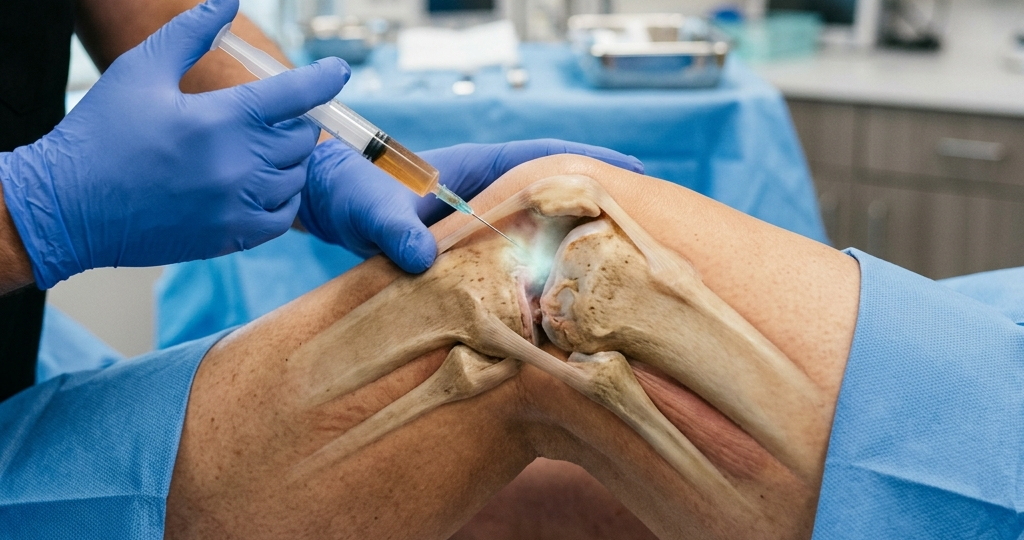
Enlivex received RMAT designation for Allocetra™, an investigational allogeneic immunomodulatory cell therapy being developed for age-related symptomatic knee osteoarthritis in adults aged 64 years and older. According to the company, the designation was supported by preliminary Phase I/II findings demonstrating improvements in pain, stiffness, and physical function alongside a favourable safety profile. Unlike conventional therapies that primarily alleviate symptoms, Allocetra is designed to modulate inflammatory pathways associated with disease progression, representing a regenerative approach to managing osteoarthritis.
Ocugen: OCU410 for Geographic Atrophy
Ocugen’s OCU410 received RMAT designation for the treatment of geographic atrophy secondary to dry age-related macular degeneration. The investigational therapy uses an adeno-associated virus (AAV) vector to deliver the RORA gene, targeting multiple biological pathways involved in retinal degeneration. The FDA’s decision was supported by preliminary findings from the ongoing Phase I/II ArMaDa study, which, according to the company, demonstrated encouraging safety and early biological activity. The designation highlights increasing regulatory interest in gene therapies designed to address complex multifactorial diseases rather than single-gene disorders.
Allogene Therapeutics: Cema-cel for Large B-Cell Lymphoma
Allogene Therapeutics received a second RMAT designation for cemacabtagene ansegedleucel (cema-cel) as a first-line consolidation therapy for patients with minimal residual disease-positive high-risk large B-cell lymphoma following first-line chemoimmunotherapy. The designation supports the ongoing Phase II ALPHA3 study and expands upon the therapy’s earlier RMAT designation for relapsed or refractory disease. The decision reflects continued regulatory recognition of allogeneic CAR-T therapies as developers seek to broaden their application into earlier stages of cancer treatment.
Aspen Neuroscience: Sasineprocel (ANPD001) for Parkinson’s Disease
Aspen Neuroscience received RMAT designation for sasineprocel (ANPD001), an investigational autologous iPSC-derived dopaminergic neuron replacement therapy for Parkinson’s disease. Based on preliminary findings from the Phase I/IIa ASPIRO study, the therapy is designed to replace dopamine-producing neurons lost during disease progression, aiming to restore neurological function rather than solely manage symptoms. The programme illustrates the growing clinical maturity of stem cell-based regenerative therapies for neurodegenerative disorders.
What Do These Four Programs Have in Common?
Although these investigational therapies target distinct diseases and utilize different scientific platforms, they share several characteristics that align with the FDA’s criteria for RMAT designation. Each programme addresses a serious condition with limited treatment options, is supported by preliminary clinical evidence suggesting potential clinical benefit, and employs a regenerative approach designed to repair, replace, or restore damaged cells and tissues rather than simply alleviate symptoms.
Beyond these common regulatory requirements, the four programmes collectively illustrate the breadth of today’s regenerative medicine landscape. From immunomodulatory cell therapy and gene therapy to allogeneic CAR-T and autologous iPSC-derived cell replacement, the FDA’s recent RMAT decisions demonstrate that the designation is being applied across multiple therapeutic technologies rather than a single class of regenerative products. This diversity reflects the scientific progress achieved in regenerative medicine over the past decade and highlights the FDA’s willingness to evaluate innovative treatment approaches across a wide range of serious diseases.
How Diverse Is Today’s Regenerative Medicine Pipeline?
The July 2026 RMAT designations demonstrate that regenerative medicine is no longer confined to rare inherited disorders or highly specialized experimental therapies. Instead, the field is expanding into common chronic diseases that affect millions of patients worldwide, including osteoarthritis, age-related macular degeneration, Parkinson’s disease, and aggressive haematological malignancies.
Equally significant is the diversity of technologies represented. Allocetra™ seeks to modulate immune responses to restore tissue homeostasis in osteoarthritis, while OCU410 applies gene therapy to address multiple biological pathways involved in retinal degeneration. Cema-cel represents the continued evolution of off-the-shelf allogeneic CAR-T therapy in oncology, whereas sasineprocel explores patient-specific stem cell-derived neuronal replacement for neurodegenerative disease.
Collectively, these programmes illustrate how regenerative medicine has evolved from a niche research discipline into a broad therapeutic platform capable of addressing diseases across oncology, ophthalmology, neurology, and musculoskeletal medicine. As scientific understanding of tissue repair, cellular engineering, and gene regulation continues to advance, regenerative medicine is increasingly positioned as a complementary treatment paradigm alongside conventional pharmacological approaches rather than a replacement for them.
What RMAT Means for Drug Development
RMAT designation plays an important role in facilitating the clinical development of regenerative medicine products by enabling earlier and more frequent interactions between sponsors and the FDA. These engagements can help optimise clinical trial design, address manufacturing considerations unique to advanced therapies, and support discussions regarding appropriate regulatory pathways as development progresses.
For regenerative medicine developers, manufacturing is often as challenging as clinical development itself. Cell and gene therapies require highly controlled production processes, robust quality systems, and consistent product characterization to ensure reproducibility across manufacturing batches. Early regulatory dialogue can therefore help identify potential development challenges before they become significant barriers later in the approval process.
However, RMAT designation should not be interpreted as an indicator of eventual regulatory success. Every investigational therapy must still demonstrate clinically meaningful efficacy, an acceptable safety profile, and consistent manufacturing quality through adequately designed clinical trials before it can receive marketing approval. The designation is intended to accelerate development, not reduce regulatory standards.
Challenges beyond RMAT Designation
Despite encouraging scientific progress, regenerative medicine remains one of the most complex areas of drug development. Beyond obtaining RMAT designation, developers must demonstrate durable clinical benefit through well-controlled studies while addressing manufacturing challenges unique to advanced therapies, including product consistency, scalability, and quality control. Long-term safety also remains critical, as many regenerative therapies involve living cells or gene-based technologies that require extended follow-up before regulatory approval can be considered.
What These Designations Indicate for the Future
The recent cluster of RMAT designations reflects the continued evolution of regenerative medicine from a niche research field into a broader therapeutic discipline. Advances in cell engineering, gene delivery, stem cell biology, and manufacturing are expanding regenerative approaches across oncology, neurology, ophthalmology, and musculoskeletal diseases. At the same time, the diversity of these designations suggests increasing FDA confidence in evaluating advanced therapies targeting serious conditions with significant unmet medical needs.
Conclusion
The four RMAT designations awarded in July 2026 represent more than individual regulatory milestones. Together, they illustrate the growing scientific maturity of regenerative medicine and the expanding application of cell and gene-based therapies across multiple disease areas. Although RMAT designation can facilitate development through closer regulatory engagement, each investigational therapy must still establish its safety, efficacy, and manufacturing quality before approval. As clinical evidence continues to grow, regenerative medicine is expected to become an increasingly important component of future therapeutic innovation.
References

About the Writer
Anamika Koshti (LinkedIn) is a PharmD professional and healthcare writer with interests in clinical research, pharmacovigilance, and evidence-based medicine. She has authored peer-reviewed publications on Alzheimer’s disease and PCOS, presented research at national conferences, and gained hands-on experience in medical content development and clinical data interpretation. She is committed to translating complex medical research into accurate, accessible content for healthcare professionals and patients.