
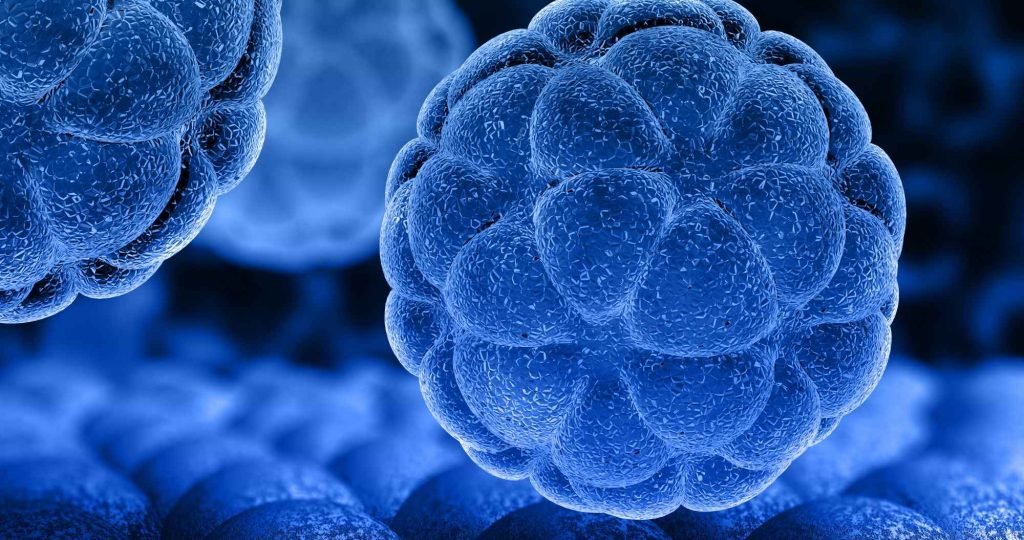
FDA grants Orphan Drug Designation to Sernova’s autologous islet transplantation program using the Cell Pouch Bio-hybrid Organ to prevent type 3c diabetes after total pancreatectomy.
Written By: Shaik Yasmeen, PharmD
Reviewed By: Pharmacally Editorial Team
Sernova Biotherapeutics has received Orphan Drug Designation (ODD) from the U.S. Food and Drug Administration (FDA) for autologous islet transplantation (AIT) intended to prevent diabetes following total pancreatectomy. The designation covers the use of the company’s Cell Pouch Bio-hybrid Organ platform in patients who undergo complete surgical removal of the pancreas, a procedure that can result in insulin-dependent type 3c diabetes (T3cD).
The FDA grants orphan status to therapies intended to treat, prevent, or diagnose rare diseases affecting fewer than 200,000 people in the United States. If approved, the designation may provide seven years of market exclusivity, along with eligibility for certain development incentives, including tax credits and potential waiver of specific FDA user fees.
Preserving Insulin Production After Pancreatic Removal
Total pancreatectomy is often performed in patients with severe chronic pancreatitis and other serious pancreatic disorders. While the surgery can alleviate debilitating symptoms, it permanently removes the body’s ability to produce insulin, leaving patients vulnerable to brittle diabetes and long-term complications.
Sernova plans to evaluate an autologous islet transplantation approach that uses a patient’s own insulin-producing islet cells. Following removal of the pancreas, the islets are isolated, implanted within the Cell Pouch Bio-hybrid Organ, and transplanted back into the patient. Because the cells originate from the patient, the procedure may eliminate the need for lifelong immunosuppressive therapy.
The company believes this strategy could preserve endogenous insulin production and reduce the burden of post-surgical diabetes management.
Clinical Development Advances
Sernova is preparing to initiate a clinical trial evaluating the Cell Pouch platform in patients undergoing total pancreatectomy. The upcoming study will investigate whether transplanted autologous islets can successfully engraft within the device and maintain long-term insulin secretion.
The Cell Pouch platform is a regenerative medicine technology that creates a vascularized environment under the skin to support transplanted therapeutic cells. The same platform forms the foundation of Sernova’s broader programs focused on achieving a functional cure for type 1 diabetes.
Expert Perspective
Dr. Melena Bellin, Co-Director of the Total Pancreatectomy and Islet Autotransplant Program at the University of Minnesota and a member of Sernova’s Clinical Advisory Board, noted that patients undergoing total pancreatectomy immediately lose pancreatic endocrine function and often face lifelong insulin dependence. She said autologous islet transplantation within the Cell Pouch may help preserve insulin-producing cells without requiring immune-suppressing medications.
Company leadership views the orphan designation as validation of a second clinical opportunity alongside its primary type 1 diabetes program.
According to Chief Executive Officer Jonathan Rigby, prevention of type 3c diabetes represents a logical extension of the company’s cell therapy strategy and may strengthen its position in pancreatic endocrine replacement therapies.
Sernova plans to advance both its type 1 diabetes and post-pancreatectomy diabetes programs over the coming months. If successful, the approach could offer a new option for preserving natural insulin production in a patient population with limited therapeutic alternatives.
What This Means for Patients
For patients facing total pancreatectomy, this development could help prevent the onset of type 3c diabetes, a condition that often requires lifelong insulin therapy and careful blood sugar management. By preserving and reimplanting a patient’s own insulin-producing islet cells, Sernova’s Cell Pouch approach may maintain natural insulin production without the need for immunosuppressive drugs. While the therapy remains in clinical development, the FDA’s orphan drug designation supports its advancement and highlights the significant unmet need for patients at risk of post-surgical diabetes.
Reference

About the Writer
Shaik Yasmeen (LinkedIn) is a Pharm.D graduate with interests in clinical pharmacy, pharmacovigilance, and medical writing. She has gained experience through hospital clinical postings, patient case reviews, case presentations, and literature evaluation. Passionate about evidence-based healthcare, she is committed to creating accurate and engaging medical content while continuously expanding her professional knowledge.