
Moderna has initiated a Phase 1 trial of mRNA-1469, an investigational vaccine against Bundibugyo ebolavirus (BDBV), evaluating safety and immune response in Canada.
Written By: Anshu Gupta, PharmD
Reviewed By: Pharmacally Editorial Team
Moderna has announced the initiation of a Phase 1 clinical trial evaluating mRNA-1469, an investigational messenger RNA (mRNA) vaccine candidate for the prevention of Bundibugyo ebolavirus (BDBV) disease. Following authorization by Health Canada, the first participants have been vaccinated in Canada, marking the first clinical evaluation of Moderna’s vaccine candidate against an Ebola virus species for which no licensed vaccine currently exists.
The study is being conducted as part of Moderna’s expanded collaboration with the Coalition for Epidemic Preparedness Innovations (CEPI) to support preparedness for emerging infectious diseases and accelerate the development of vaccines against high-priority epidemic threats.
The initiation of Moderna’s Phase 1 study also adds to a growing pipeline of investigational Ebola countermeasures. In recent months, other clinical programs have also advanced, including vaccine initiatives from the University of Oxford and the World Health Organization’s PARTNERS trial, as well as the NanoViricides antiviral development program, reflecting continued global efforts to strengthen preparedness against future Ebola outbreaks.
Understanding Bundibugyo Ebolavirus and the Current Outbreak
Bundibugyo ebolavirus (BDBV) is one of the known Ebola virus species capable of causing Ebola virus disease (EVD) in humans. While licensed vaccines are available for protection against Zaire ebolavirus, there are currently no approved vaccines specifically indicated for disease caused by BDBV.
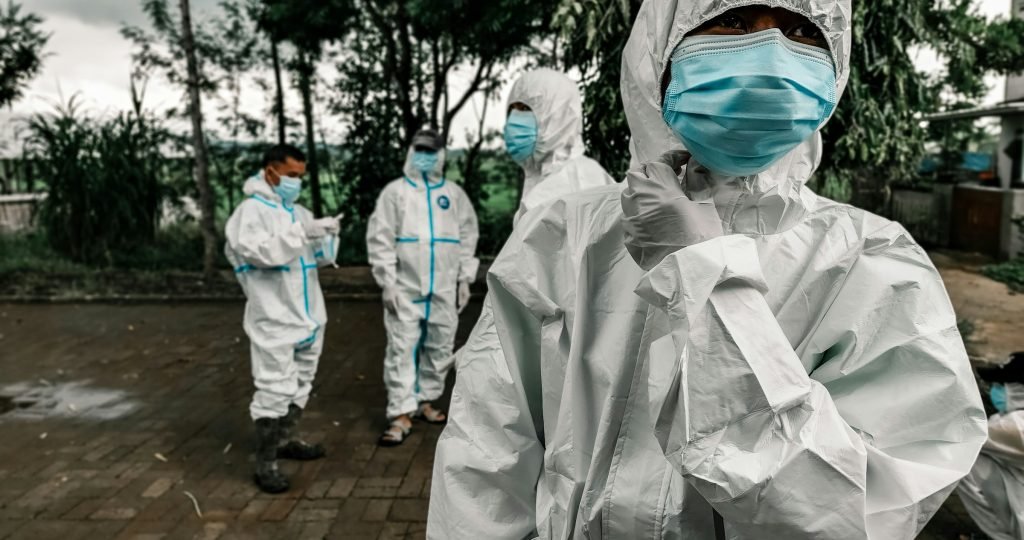
The ongoing BDBV outbreak in the Democratic Republic of the Congo has highlighted the need for broader preventive strategies against multiple Ebola virus species. The outbreak has been declared both a Public Health Emergency of International Concern (PHEIC) by the World Health Organization and a Public Health Emergency of Continental Security (PHECS) by the Africa Centres for Disease Control and Prevention (Africa CDC). According to Moderna, the outbreak has resulted in more than 3,000 confirmed cases and over 1,400 deaths, making it one of the largest filovirus outbreaks recorded.
About mRNA-1469
mRNA-1469 is Moderna’s investigational vaccine candidate developed using the company’s established mRNA platform, the same technology that enabled rapid vaccine development and global deployment during the COVID-19 pandemic. The candidate expands Moderna’s ongoing research and development program targeting filoviruses, including Ebola-related pathogens.
Phase 1 Clinical Trial Design
The first-in-human Phase 1 study (NCT07737717) is being conducted at three clinical sites in Canada and is expected to enroll approximately 80 healthy adult participants.
The study is designed to evaluate the safety, tolerability, and immunogenicity of mRNA-1469 following vaccination in healthy adults.
As an early-stage clinical trial, the study is not intended to determine vaccine efficacy against Ebola virus disease. Instead, it aims to generate the initial clinical data required to determine whether the vaccine candidate is suitable for continued development.
Study Objectives
The primary objective of the study is to evaluate the safety and tolerability of mRNA-1469 in healthy adult participants.
A key secondary objective is to evaluate the vaccine’s immunogenicity, or its ability to induce immune responses against Bundibugyo ebolavirus antigens. These findings will help determine whether the investigational vaccine should advance into larger Phase 2 and Phase 3 clinical studies.
Safety and Expected Immune Response
The ongoing Phase 1 study is specifically designed to characterize the vaccine’s safety profile and immune responses before consideration for later-stage clinical development.
CEPI Collaboration
mRNA-1469 is being developed under Moderna’s expanded strategic collaboration with the Coalition for Epidemic Preparedness Innovations (CEPI). Under this agreement, CEPI has committed up to US$50 million to support preclinical development, the ongoing Phase 1 clinical trial, and the manufacture of additional clinical trial doses in parallel with early clinical development.
This manufacturing strategy is intended to accelerate the initiation of larger Phase 2 and Phase 3 studies if Phase 1 results support continued development.
Significance of the Vaccine Program
The initiation of the mRNA-1469 clinical program addresses a significant unmet need in Ebola prevention, as there are currently no licensed vaccines specifically indicated for Bundibugyo ebolavirus disease.
The program also demonstrates the continued application of Moderna’s mRNA platform beyond COVID-19, supporting the development of vaccines against emerging infectious diseases with epidemic potential.
If future clinical studies demonstrate favorable safety and immune responses, mRNA-1469 could expand the range of available countermeasures against Ebola virus species and strengthen global outbreak preparedness.
Global Access Commitment
If mRNA-1469 is ultimately licensed, Moderna has committed, under its agreement with CEPI, to make at least 500,000 doses available for timely supply to low- and middle-income countries under access pricing, supporting equitable access during future outbreaks.
Future Development
Moderna and CEPI plan to continue clinical development while supporting manufacturing activities needed for potential later-stage studies.
The initiation of this Phase 1 study represents the first clinical assessment of mRNA-1469 for the prevention of Bundibugyo ebolavirus disease. With no approved vaccine currently available for this Ebola virus species, the program represents an important step toward expanding preventive options against future Ebola outbreaks.
Progression into Phase 2 and Phase 3 clinical trials will depend on the safety, tolerability, and immunogenicity data generated from the ongoing Phase 1 study.
Reference

About the Writer
Anshu Gupta (LinkedIn) is a PharmD professional and healthcare writer with interests in clinical research, pharmacovigilance, regulatory affairs, and medical writing. She has presented research at academic conferences and completed certifications in Good Clinical Practice (GCP), ICH-GCP, and drug safety. Passionate about clinical trials and evidence-based medicine, she is committed to translating scientific evidence into accurate, reliable, and accessible healthcare content.