
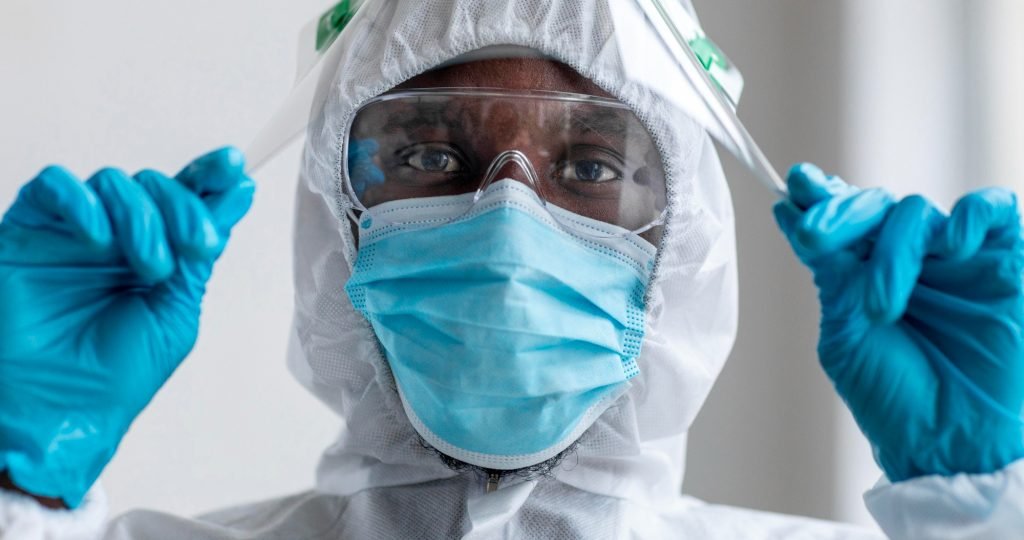
WHO has launched the adaptive PARTNERS clinical trial in the Democratic Republic of the Congo to evaluate MBP134, remdesivir, and combination therapy for Bundibugyo Ebola, aiming to identify the first effective treatment for the disease.
Written By: Meghana Jinka, PharmD
Reviewed By: Pharmacally Editorial Team
The World Health Organization (WHO) has initiated patient enrolment in the PARTNERS (Platform Adaptive Randomised Trial for New and Repurposed Filovirus TreatmentS) clinical trial (ISRCTN30355388) in the Democratic Republic of the Congo (DRC), marking a significant step toward identifying effective treatments for Bundibugyo virus disease (BVD). Sponsored by WHO, the randomized, controlled platform trial will evaluate the investigational monoclonal antibody MBP134, the antiviral remdesivir, and a combination of both therapies in patients with confirmed infection.
The study is being coordinated by the Institut National de Recherche Biomédicale (INRB), the Institute of Tropical Medicine in Belgium, and the University of Oxford, with support from Africa CDC and collaboration from international research, humanitarian, and clinical partners.
Addressing a Critical Treatment Gap
BVD is one of several viruses that cause Ebola disease, but unlike infections caused by the Zaire ebolavirus, no approved therapy currently exists for this species. Although effective treatments have become available for other forms of Ebola virus disease, their efficacy against BVD remains unproven.
The ongoing outbreak in the DRC has resulted in more than 1,400 confirmed cases, with nearly 440 deaths and approximately 210 recoveries, highlighting the urgent need for effective therapeutic options alongside supportive clinical care.
WHO selected MBP134 and remdesivir after reviewing available preclinical evidence, safety data, and findings from previous filovirus outbreaks through its Technical Advisory Group.
Platform Trial Evaluates Multiple Therapeutic Strategies
The PARTNERS study is enrolling patients of all ages with laboratory-confirmed BVD. Participants will receive standard supportive treatment, including fluid resuscitation, electrolyte replacement, oxygen therapy, blood pressure management, and pain control according to WHO treatment guidelines, together with one of the investigational antiviral strategies.
Its adaptive platform design allows additional investigational therapies to be incorporated as new evidence emerges, creating a sustainable research framework for evaluating treatments across future Ebola and Marburg virus outbreaks. Trial participants will receive close clinical monitoring and follow-up for at least 28 days after enrolment, while an independent Data and Safety Monitoring Board will regularly assess study safety and efficacy data.
Research Integrated into Outbreak Response
WHO Director-General Dr. Tedros Adhanom Ghebreyesus said that although many patients recover with supportive care alone, effective therapeutics could substantially improve survival. He noted that establishing the PARTNERS platform during an active outbreak offers an opportunity to generate evidence where it is needed most.
Professor Amanda Rojek, PARTNERS Trial Operations Lead at the University of Oxford’s Pandemic Sciences Institute, emphasized that conducting clinical research during an outbreak enables treatment evidence to inform patient care within months rather than years. INRB Director-General Prof. Jean-Jacques Muyembe-Tamfum added that integrating clinical research into routine outbreak care provides patients with access to promising investigational therapies while strengthening preparedness for future epidemics.
Path Forward
The PARTNERS trial is expected to determine whether MBP134, remdesivir, or their combination can improve survival and reduce mortality in BVD. Beyond the current outbreak, the adaptive platform establishes an infrastructure for rapidly evaluating therapies against multiple filoviruses, supporting future global responses to Ebola and Marburg disease outbreaks.
What This Means for Patients
For people affected by Bundibugyo virus disease, the PARTNERS trial offers access to promising investigational treatments while ensuring they receive standard supportive medical care. Although no approved therapy currently exists for this form of Ebola, the study aims to identify treatments that can improve survival and reduce deaths. The findings could help establish the first evidence-based treatment for Bundibugyo virus disease and strengthen preparedness for future Ebola and Marburg outbreaks.
Reference

About the Writer
Meghana Jinka (LinkedIn) is a Pharm.D graduate with a strong interest in clinical pharmacy, clinical research, pharmacovigilance, and medical writing. She has developed expertise in evaluating scientific literature, interpreting clinical data, and communicating complex medical information in a clear and accessible manner. Through clinical training, patient counseling, and healthcare awareness activities, she has gained practical experience in evidence-based medicine and patient-centered care. Passionate about healthcare communication, Meghana is committed to developing accurate, engaging, and evidence-based healthcare documents that support healthcare professionals and the wider community.