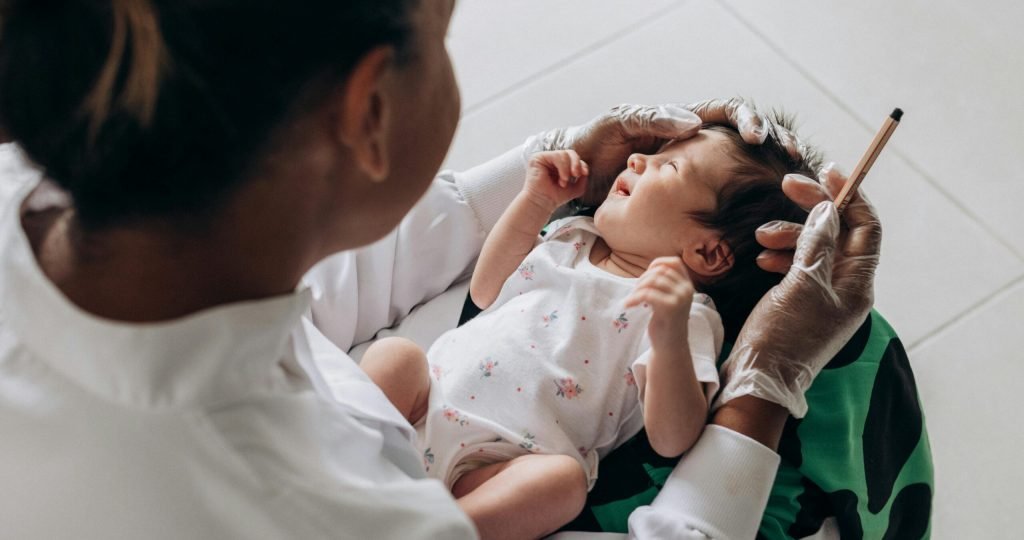
Novartis secures World Health Organization prequalification for Coartem® Baby, the first antimalarial designed for newborns and infants weighing 2–5 kg, improving access in endemic regions.
Written By: Chikkula Pavan Kumar, PharmD
Reviewed By: Pharmacally Editorial Team
The World Health Organization has granted prequalification to Coartem® Baby (artemether-lumefantrine), a new antimalarial therapy developed by Novartis for newborns and young infants weighing between 2 and 5 kilograms. The therapy, also marketed as Riamet® Baby in some regions, is the first formulation specifically designed for this vulnerable patient group.
WHO prequalification enables United Nations agencies and global health programs to procure the treatment for use in public health systems. The prequalification process evaluates the quality, safety, and efficacy of medicines intended for diseases such as malaria, HIV/AIDS, and tuberculosis.
Coartem Baby was developed in partnership with the Medicines for Malaria Venture, a nonprofit focused on antimalarial drug development. The program also forms part of the PAMAfrica consortium, supported by international public health funding bodies.
According to WHO officials, the new formulation addresses a longstanding gap in malaria treatment. Existing therapies have not been specifically approved for infants under 4.5 kilograms, often requiring clinicians to adapt medications designed for older children. This practice carries risks of inappropriate dosing and increased toxicity.
Dr. Daniel Ngamije Madandi, Director Malaria and Neglected Tropical Diseases at the WHO highlighted that+ the new formulation represents a meaningful innovation, as it is the first antimalarial specifically developed for uncomplicated malaria in infants within this weight range.
Novartis stated that the therapy will be supplied on a largely not-for-profit basis in malaria-endemic regions. The company has already initiated rollout efforts in Ghana and plans to expand access through partnerships with global health organizations.
Dr Lutz Hegemann, President of Global Health at Novartis emphasized that the approval brings the company closer to ensuring access for the youngest malaria patients, particularly in high-burden regions.
Clinicians working in endemic areas have underscored the clinical need for such a treatment. A pediatrician in Ghana noted that malaria in newborns has historically been difficult to manage due to the absence of tailored therapies, and that a well-tolerated, infant-specific option could improve treatment confidence and outcomes.
Dr Martin Fitchet, CEO of MMV described the prequalification as a significant public health milestone, reflecting broader efforts to address gaps in treatment for underserved populations. The organization emphasized that the development demonstrates the impact of collaborative models in translating research into accessible therapies.
Malaria remains a major global health challenge, particularly in sub-Saharan Africa. WHO estimates indicate 282 million cases and 610,000 deaths globally in 2024, with children under five accounting for the majority of fatalities in the region. Data on malaria incidence in newborns and very young infants remain limited, partly due to their underrepresentation in clinical trials. However, an estimated 30 million infants are born annually in malaria-risk areas in Africa, with studies suggesting infection rates of up to 18.4% in infants younger than 6 months.
The introduction of Coartem Baby is expected to help address this treatment gap and improve outcomes for one of the most vulnerable patient populations affected by malaria.
Reference

About the Writer
Chikkula Pavan Kumar, PharmD is a Doctor of Pharmacy with a keen interest in clinical pharmacy, pharmacovigilance, and evidence-based practice. In his words, he is passionate about patient safety and translating complex medical information into clear, research-driven communication.