
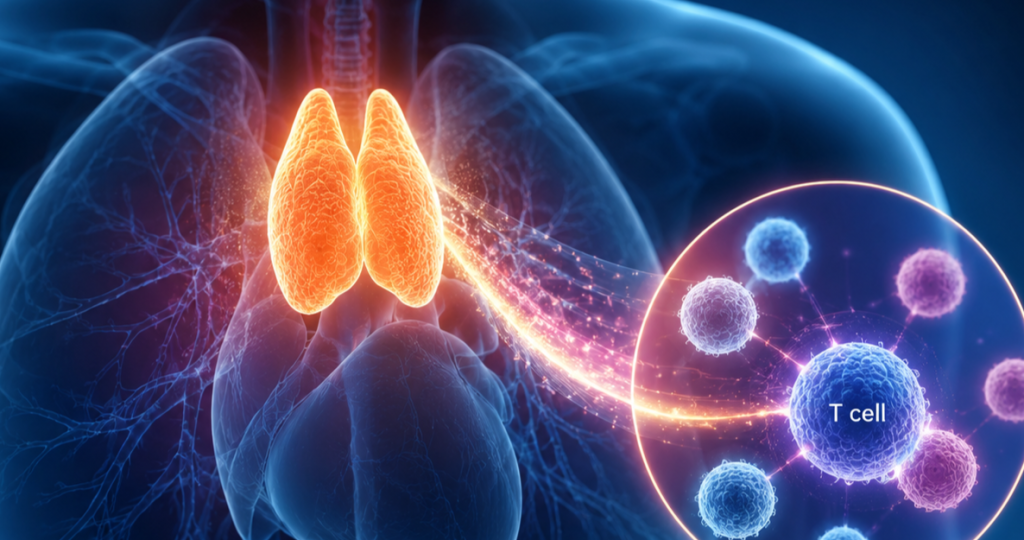
United Therapeutics has acquired Thymmune Therapeutics for up to $300M, adding an iPSC-derived thymic cell therapy platform to its regenerative medicine pipeline. The deal expands programs in organ transplantation, immune modulation, and congenital athymia
Written By: Chikkula Pavan Kumar, PharmD
Reviewed By: Pharmacally Editorial Team
United Therapeutics Corporation has acquired privately held Thymmune Therapeutics, strengthening its regenerative medicine strategy with an induced pluripotent stem cell (iPSC)-derived thymic cell therapy platform. The transaction includes an upfront cash payment of $140 million, subject to post-closing adjustments, with up to $160 million in additional milestone-based payments tied to clinical and regulatory achievements through the end of 2031.
The acquisition expands United Therapeutics’ growing portfolio in organ transplantation and immune modulation by adding regenerative thymic therapies that have the potential to restore T-cell function in patients with severe immune disorders. The company believes the platform could also support future approaches for transplant tolerance, autoimmune diseases, and age-related immune decline.
Regenerating the Thymus to Restore Immune Function
The thymus plays a central role in immune system development by producing and educating T cells that recognize pathogens while maintaining immune tolerance. Loss or dysfunction of the thymus can result in profound immunodeficiency, leaving patients highly vulnerable to life-threatening infections and immune-related complications.
Thymmune has developed a proprietary manufacturing process that converts human induced pluripotent stem cells into thymic cells. Following transplantation, these cells are intended to mature within the body and regenerate functional thymic tissue capable of restoring normal T-cell development and immune function.
The platform represents a regenerative approach that could address the underlying cause of immune dysfunction rather than providing supportive treatment alone.
THY-100 Targets Congenital Athymia
Thymmune’s lead candidate, THY-100, is currently in preclinical development for congenital athymia, an ultra-rare disorder in which infants are born without a functional thymus. Without treatment, affected children experience severe immunodeficiency and face a high risk of serious infections.
Preclinical animal studies showed that THY-100 generated a functional neo-thymus in vivo capable of supporting T-cell development. If these findings translate clinically, the therapy could establish proof of concept for regenerative thymic replacement and open opportunities to treat broader immune-mediated diseases, improve transplant tolerance, and potentially restore immune competence in older adults experiencing age-related declines in T-cell function. Human clinical studies have not yet begun.
Strategic Fit with United Therapeutics’ Transplant Programs
United Therapeutics said the acquisition complements its broader effort to increase the availability and long-term success of organ transplantation. The company is already advancing its UThymoKidney™ clinical development program, which combines organ replacement technologies with immune modulation strategies.
Chairperson and Chief Executive Officer Martine Rothblatt, Ph.D., said restoring T-cell receptor diversity through thymic regeneration could address the underlying causes of numerous life-threatening diseases while strengthening the company’s long-term vision for organ transplantation and regenerative medicine.
Thymmune founder and Chief Executive Officer Stan Wang, M.D., Ph.D., said United Therapeutics’ expertise in organ alternatives and cell-based therapies provides the resources needed to advance the thymic regeneration platform toward clinical development and broader therapeutic applications.
Strategic Expansion into Immune Regeneration
The acquisition positions United Therapeutics to expand beyond organ replacement into immune system regeneration. The next milestone will be advancing THY-100 from preclinical development into human clinical studies. Success could extend the platform beyond congenital athymia to transplant tolerance, autoimmune disorders, and other conditions driven by impaired T-cell function, significantly broadening the potential impact of regenerative thymic cell therapy.
Reference

About the Writer
Chikkula Pavan Kumar (LinkedIn), PharmD is a Doctor of Pharmacy with a keen interest in clinical pharmacy, pharmacovigilance, and evidence-based practice. In his words, he is passionate about patient safety and translating complex medical information into clear, research-driven communication.