
TenNor Therapeutics reports 100% six-month treatment success in five early or acute PJI patients treated with TNP-2092 without surgery.
Written By: Khushi Patel, PharmD
Reviewed By: Pharmacally Editorial Team
TenNor Therapeutics reported positive Phase IIa proof-of-concept results for rifaquizinone (TNP-2092), an intra-articular investigational therapy for periprosthetic joint infection (PJI), with all five evaluable patients with early or acute PJI achieving treatment success at six months without debridement or joint replacement. The findings have prompted initiation of a multicenter Phase IIb trial in China.
A Non-Surgical Approach to a Difficult Infection
PJI remains one of the most challenging complications of joint arthroplasty because bacteria can form biofilms on implanted hardware, reducing the effectiveness of conventional systemic antibiotics. Treatment typically requires surgery, ranging from debridement, antibiotics, and implant retention (DAIR) for early or acute infections to staged revision for chronic disease.
DAIR fails in more than 30% of reported cases, while two-stage revision can require multiple operations, prolonged hospitalization, and months of impaired function. Treatment costs in the U.S. can exceed $390,000 per patient. Rising arthroplasty volumes are expected to further increase the global PJI burden.
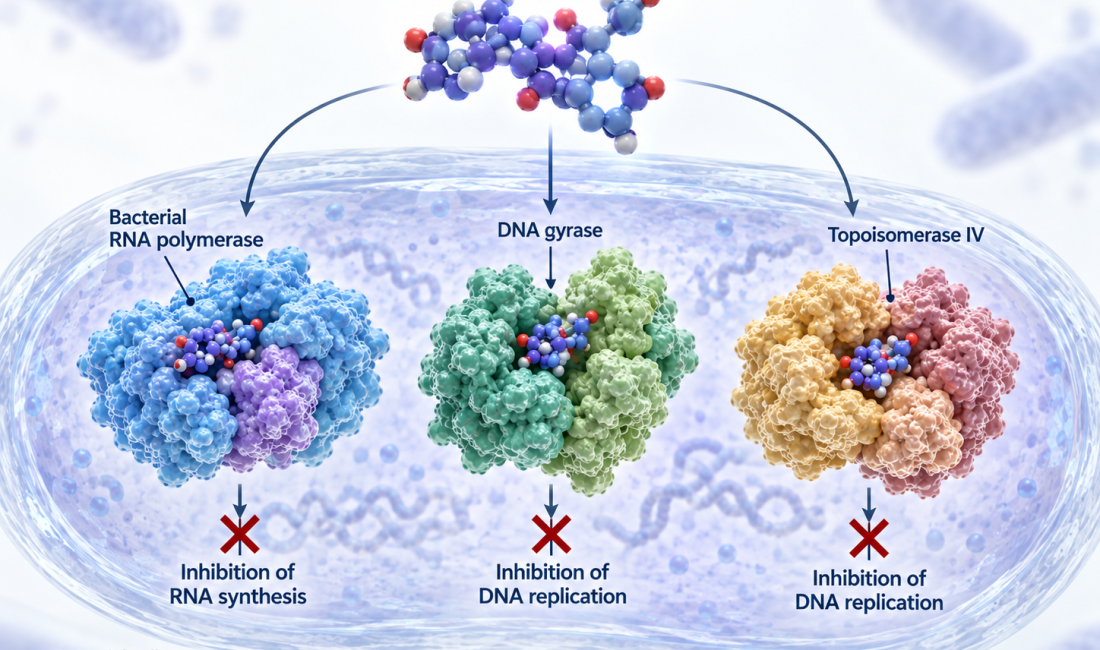
TNP-2092 takes a different approach by combining local intra-articular delivery with a triple-targeting antibacterial mechanism. The molecule inhibits bacterial RNA polymerase, DNA gyrase, and topoisomerase IV, providing activity against resistant organisms including methicillin-resistant Staphylococcus aureus (MRSA) and quinolone-resistant S. aureus. The company reports a resistance frequency below 10⁻¹² and potent biofilm-killing activity in preclinical models.
Phase IIa Data Support Further Development
The China-based Phase IIa POC study evaluated TNP-2092 administered by intra-articular injection alongside systemic antibiotic therapy, without surgical debridement or implant replacement. The study enrolled patients with early or acute PJI as well as patients with chronic PJI requiring long-term antibiotic suppression.
At the July 1, 2026 data lock, 10 patients had been enrolled. Seven patients with culture- or next-generation sequencing-confirmed Gram-positive infections were included in the efficacy analysis. Two culture-negative patients were excluded, while one newly enrolled patient had not yet generated efficacy data.
Among five patients with early or acute PJI who received TNP-2092, all five achieved treatment success at six months. Four patients had reached 12 months of follow-up, with all four maintaining treatment success. Among two patients with chronic PJI who had completed six-month follow-up, one achieved treatment success. Twelve-month data for these patients remained pending.
The safety analysis included nine patients and found no TNP-2092-related treatment-emergent adverse events or serious adverse events. The remaining patient, who was still under follow-up, had also reported no treatment-related TEAEs or SAEs at the data cutoff.
Clinical Significance and Next Steps
Professor Li Cao, the trial’s principal investigator, said the results could offer patients an alternative to the prolonged surgical pathway currently used to manage PJI. Professor Javad Parvizi, a leading PJI specialist and co-chair of the International Consensus Meeting on PJI, similarly described the data as evidence of a potentially transformative treatment approach for a field with limited non-surgical options.
The NMPA has approved the multicenter Phase IIb study, which has now begun in China. TNP-2092 previously received FDA Qualified Infectious Disease Product, Fast Track, and Orphan Drug designations for PJI.
The Phase IIb program will provide a larger test of whether intra-articular TNP-2092 can consistently eradicate implant-associated infection without surgery and establish the efficacy and safety profile needed to support later-stage development.
Reference
TenNor Therapeutics Reports Positive Phase IIa POC Data for Rifaquizinone (TNP-2092), the First Non-Surgical Therapy Candidate for Periprosthetic Joint Infection, Tennor Therapeutics, 10 September 2026

About the Writer
Khushi Patel is a Pharm.D (Linkedin) professional with a strong foundation in clinical pharmacy, patient-centered care, regulatory affairs, and pharmacovigilance, with published work on Brugada syndrome.
Her interests include regulatory affairs, pharmacovigilance, guideline integration, multimodal therapy, pharmacogenomics, and antibiogram utilization, with a focus on evidence-based clinical decision-making and medication safety.
As a Pharmacally healthcare writer, she translates clinical and scientific evidence into clear, accurate, and clinically relevant healthcare content, while continuously developing her expertise in evolving pharmacy practice.