
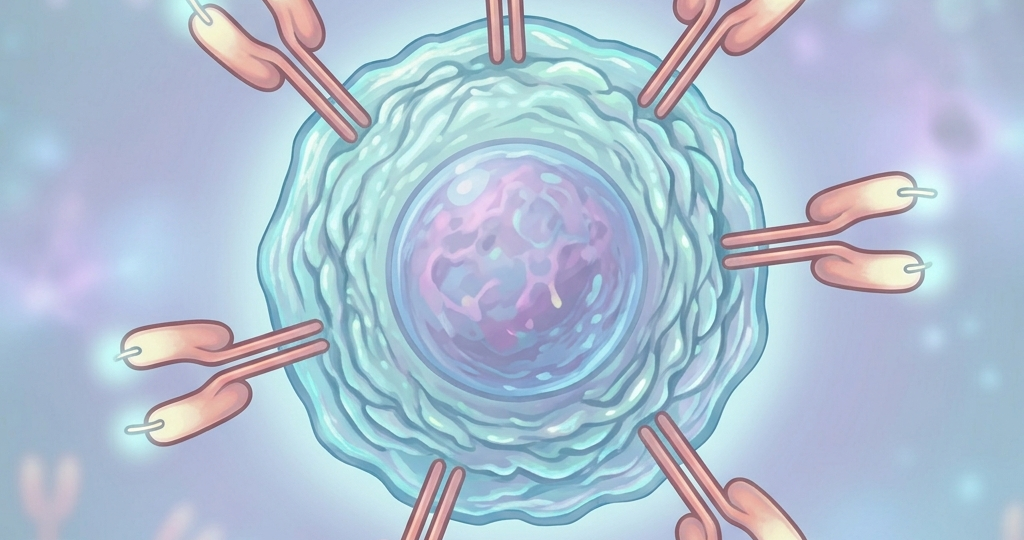
Tempest Therapeutics plans a Q4 2026 investigator-initiated trial of TPST-4003, an in vivo CD19/BCMA CAR-T therapy for myasthenia gravis and multiple sclerosis.
Written By: Rishabh Sonawane, BPharm
Reviewed By: Pharmacally Editorial Team
On 15 July 2026, Tempest Therapeutics unveiled its next-generation in vivo CAR-T pipeline. The company announced plans to initiate the first clinical evaluation of its lead candidate, TPST-4003, in the fourth quarter of 2026. The program aims to generate CAR-T cells directly inside the patient’s body using targeted mRNA lipid nanoparticle (LNP) technology, potentially addressing manufacturing and accessibility challenges associated with conventional autologous CAR-T therapies.
TPST-4003 Designed for Broad B-Cell Lineage Depletion and Immune Reset
TPST-4003 combines Tempest’s proprietary CD7-targeted mRNA/LNP (CD7-tLNP) delivery platform with a clinically validated dual-targeting CD19/BCMA CAR construct previously developed in the company’s clinical-stage TPST-2003 program. By simultaneously targeting CD19 and BCMA, the therapy is designed to induce broad B-cell lineage depletion and immune reset, supporting potential applications across autoimmune diseases and future oncology indications.
Tempest noted that TPST-4003 builds upon the same CAR architecture used in TPST-2003. According to the company, interim Phase 1/2a clinical data from TPST-2003 demonstrated a 100% complete response rate, providing clinical validation for the dual-targeting CAR construct incorporated into TPST-4003.
The first investigator-initiated study is expected to enroll approximately 10 patients with nervous system autoimmune disorders, initially focusing on myasthenia gravis (MG) and multiple sclerosis (MS). Initial study planning has involved discussions with six prospective clinical centres and principal investigators experienced in neurological autoimmune diseases. Tempest expects first patient enrollment and dosing during the fourth quarter of 2026, with initial safety and pharmacodynamic findings anticipated in the first half of 2027. A broader interim clinical update, including preliminary efficacy data, is planned for the second half of 2027.
Clinical Study to Evaluate Safety and Pharmacodynamic Activity
The trial will primarily evaluate safety, cellular kinetics, and pharmacodynamic activity following treatment. Planned assessments include treatment-emergent adverse events, serious adverse events, generation and expansion of peripheral blood CD4+ and CD8+ CAR-T cells, CD56+ CAR-NK cells, CAR transgene copy number, and the depth and kinetics of CD19-positive B-cell depletion and B-cell subset reconstitution. Exploratory analyses may also examine CAR-positive immune cells in cerebrospinal fluid and B-cell depletion within lymphoid tissues where clinically appropriate. Disease-specific clinical outcomes will be assessed using established measures for MG and MS.
Next-Generation In Vivo CAR-T Platform
Unlike conventional CAR-T therapies that require ex vivo collection, engineering, and reinfusion of patient T cells, Tempest’s CD7-tLNP platform delivers mRNA directly to both CD4+ and CD8+ T cells within the body. The company has engineered the platform to maximise intracellular delivery and CAR protein expression while supporting robust but transient CAR expression and reducing innate immune sensing through optimised nucleoside-modified mRNA. According to Tempest, the approach is designed to enable broader T-cell engagement, support the potential for repeat dosing, improve manufacturing scalability, and reduce production costs.
In addition to TPST-4003, Tempest is advancing two preclinical in vivo CAR-T programs: TPST-001, targeting non-B-cell hematologic malignancies, and TPST-002, designed for solid tumours. These candidates reflect the modular nature of the company’s CD7-tLNP platform and its broader strategy to expand in vivo CAR-T applications across multiple therapeutic areas.
Company Perspective
Commenting on the announcement, Matt Angel, PhD, President and Chief Executive Officer of Tempest Therapeutics, stated that the company believes its differentiated in vivo CAR-T platform could broaden T-cell targeting, support scalable manufacturing, and improve the commercial feasibility of CAR-T therapies. He added that TPST-4003’s dual CD19/BCMA-targeting design is intended to achieve broader and potentially more durable B-cell depletion than single-target CAR approaches.
Future Development
Although TPST-4003 remains in the preclinical stage, its planned transition into clinical testing represents an important milestone for the emerging field of in vivo CAR-T therapy. If the upcoming investigator-initiated study demonstrates favourable safety and biological activity, the platform could support a more accessible and scalable approach to CAR-T treatment while expanding its potential use beyond oncology into autoimmune diseases.
Reference

About the Writer
Rishabha Sonawane, B.Pharm (LinkedIn) is healthcare writer with a strong interest in medical writing, regulatory affairs, clinical research, and AI-driven drug discovery. He has completed specialized training from the NIH and ICMR in clinical pharmacology, clinical research, and scientific writing. Passionate about evidence-based healthcare communication, he focuses on translating complex scientific research into clear, accurate, and engaging medical content.