
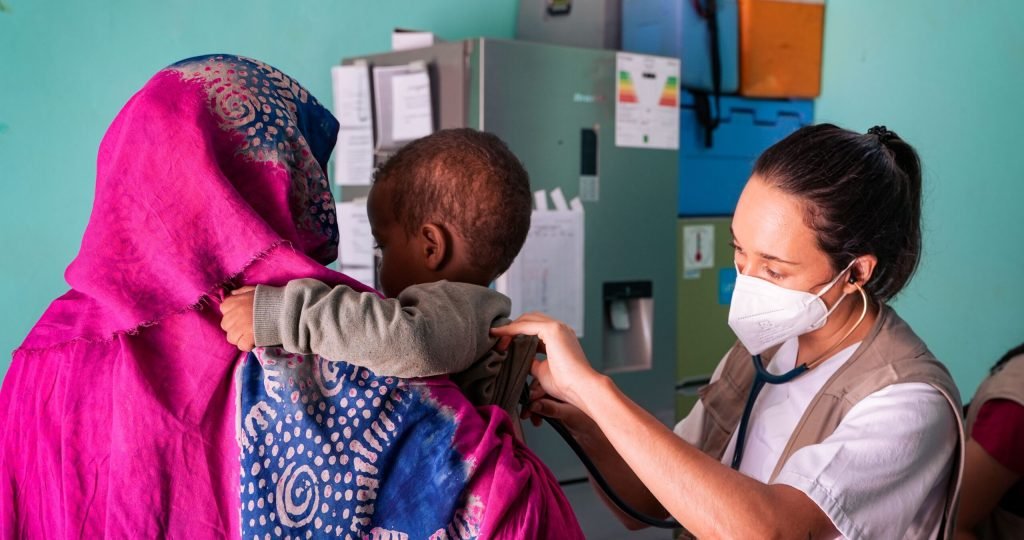
Serum Institute of India and DNDi sign a landmark licensing agreement to advance VIS513, an investigational monoclonal antibody for dengue, with a multinational Phase III trial set to begin in Brazil, Malaysia, and Thailand in early 2027.
Written By: Kalyani Boharapi,
M.Pharm (Reg. Affairs)
Reviewed By: Pharmacally Editorial Team
The Serum Institute of India (SII) and the Drugs for Neglected Diseases initiative (DNDi) an independent, not-for-profit medical research organization have signed a licensing agreement to advance the clinical development and future global access of the investigational monoclonal antibody VIS513, a potential targeted therapy for dengue. The agreement paves the way for a multinational Phase III clinical trial expected to begin in the first quarter of 2027 across Brazil, Malaysia, and Thailand.
The study will enroll approximately 1,000 participants and will be conducted through the Dengue Alliance, a global partnership of dengue-endemic countries working to develop effective and affordable dengue treatments. The multinational trial is expected to evaluate the safety and efficacy of VIS513 across diverse dengue-endemic populations, representing an important step toward developing what could become the first targeted therapeutic for dengue, a disease that currently has no approved antiviral or disease-specific treatment.
Phase III Trial to Expand Clinical Development of VIS513
VIS513 has previously undergone preclinical evaluation as well as Phase I and II clinical studies conducted by SII, where it demonstrated an acceptable safety profile and encouraging efficacy signals. Serum Institute is currently conducting an ongoing Phase III clinical trial in India, while the new international study led by DNDi will further evaluate the investigational therapy across geographically diverse populations affected by dengue.
Although monoclonal antibodies have emerged as one of the most advanced therapeutic approaches under investigation for dengue, no targeted therapy has yet received regulatory approval. If successful, the multinational Phase III program could represent a significant milestone in dengue drug development.
Under the agreement, SII will manufacture and supply VIS513 and oversee refrigerated transportation of the investigational medicine to clinical trial sites in the participating countries. The study is being funded by the European Commission’s Directorate-General for Health Emergency Preparedness and Response Authority (DG HERA) in partnership with the French Development Agency (AFD). In November 2025, DG HERA announced a €20 million investment to support the development of two new dengue medicines.
Addressing a Major Global Health Need
Dengue remains one of the fastest-growing mosquito-borne viral diseases globally, with an estimated 5.6 billion people living in areas at risk of infection. Once largely confined to tropical and subtropical regions, the disease is increasingly spreading across the world due to climate change, rapid urbanization, expanding international travel, and globalization.
Despite the growing disease burden and increasingly frequent outbreaks, management remains limited to supportive care, including close monitoring, fluid replacement, and treatment of complications. Major outbreaks continue to place substantial pressure on healthcare systems, particularly in low- and middle-income countries.
Certain populations remain especially vulnerable to severe disease. Children younger than 15 years face a higher risk of developing severe dengue, while infection during pregnancy is associated with increased risks of maternal mortality, pregnancy loss, and adverse birth outcomes. The absence of a disease-specific therapy highlights the urgent need for effective treatments capable of preventing progression to severe illness.
Statements from Key Stakeholders
Dr. Rajeev Dhere, Senior Scientific Advisor at Serum Institute of India, said the company remains committed to combating dengue through both preventive and therapeutic approaches. He noted that SII is working alongside DNDi and the Indian Council of Medical Research (ICMR) to help ensure that, if approved, VIS513 is made affordable and accessible worldwide.
Dr. André Siqueira, Head of Dengue at DNDi, emphasized the urgent need for effective dengue therapeutics that can prevent progression to severe disease, reduce mortality, and lessen the burden on healthcare systems in dengue-endemic regions.
Florika Fink-Hooijer, Director-General of DG HERA, described the multinational study as an important milestone toward developing what could become the first targeted therapeutic for dengue, particularly for vulnerable populations including children, pregnant women, and older adults.
Agnès Soucat, Head of the Health and Social Protection Division at AFD, said the initiative aligns with global efforts to strengthen resilience against climate-sensitive infectious diseases while supporting universal health coverage through innovation and international collaboration.
Collectively, the partners emphasized that expanding access to an effective dengue treatment would complement existing prevention strategies and strengthen global preparedness against one of the world’s fastest-growing vector-borne diseases.
International Collaboration Through the Dengue Alliance
The multinational clinical study will be conducted through collaborations with leading public health institutions in each participating country. In Brazil, the trial will involve Fiocruz and the Universidade Federal de Minas Gerais. In Thailand, it will be conducted in partnership with the Faculty of Medicine Siriraj Hospital, Mahidol University, while in Malaysia the study will be carried out in collaboration with the Ministry of Health Malaysia.
Researchers and public health leaders from all three countries highlighted the increasing frequency and severity of dengue outbreaks and underscored the need for effective therapeutic options. They noted that successful completion of the Phase III program could represent a historic milestone toward the first approved therapy specifically targeting dengue infection.
Commitment to Equitable Global Access
The licensing agreement between SII and DNDi includes provisions designed to support equitable global access if VIS513 receives regulatory approval. In low- and middle-income countries, the therapy will be supplied at the lowest sustainable price necessary to maximize access while ensuring reliable manufacturing and supply. In Europe, availability will be supported through agreements with relevant authorities to promote affordable and equitable access. Public-sector distribution will remain a priority across participating countries.
About VIS513
VIS513 is an investigational monoclonal antibody designed to target the dengue virus by mimicking the body’s natural immune defenses. Monoclonal antibodies are currently among the most advanced therapeutic candidates under development for dengue because they can specifically neutralize the virus soon after infection, potentially reducing progression to severe disease.
Alongside monoclonal antibodies, the Dengue Alliance is also evaluating antiviral medicines, host-directed therapies, and repurposed drugs as part of a broader strategy to expand treatment options for dengue.
If the ongoing Phase III studies in India and the upcoming multinational program confirm the therapy’s safety and efficacy, VIS513 could represent a major milestone toward delivering the first targeted therapeutic option for dengue, complementing existing prevention measures such as mosquito control and vaccination while addressing a longstanding unmet medical need.
Reference

About the Writer
Kalyani Boharapi (LinkedIn) is a pharmacy professional and healthcare writer currently pursuing an M.Pharm in Regulatory Affairs at Dr. D. Y. Patil College of Pharmacy, with interests in pharmaceutical regulations, drug development, and healthcare innovation. She has academic exposure to dossier preparation, scientific writing, and regulatory documentation. Kalyani has also completed certification courses in Generative AI, AI in Pharma, and Bioinformatics, and actively participates in pharmaceutical conferences to stay updated with emerging trends and advancements in the healthcare and pharmaceutical industry.