
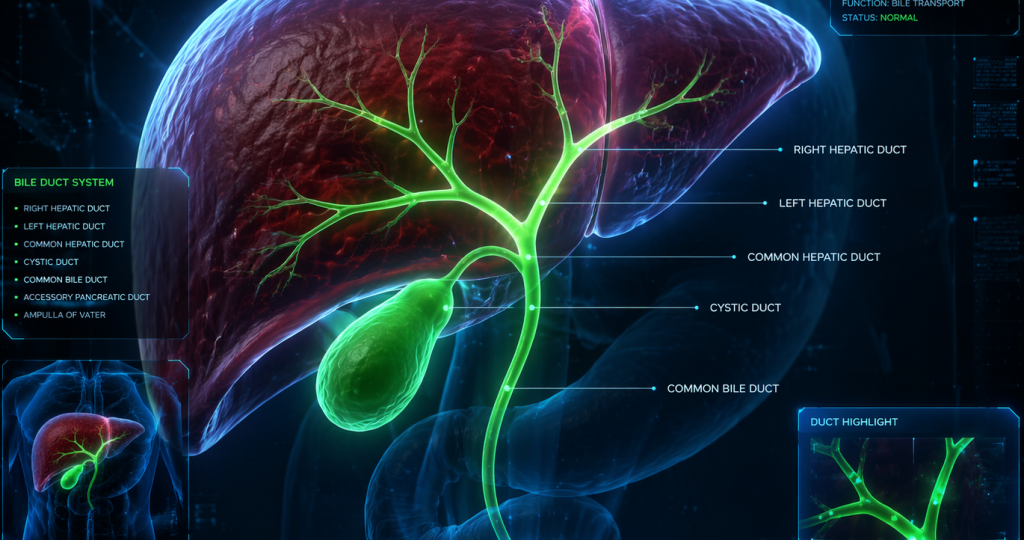
Phanes Therapeutics and Merck expanded their collaboration to evaluate spevatamig with KEYTRUDA and chemotherapy as first-line treatment for biliary tract cancer.
Written By: Kalyani Boharapi,
M. Pharm (Reg. Affairs)
Reviewed By: Pharmacally Editorial Team
Phanes Therapeutics has expanded its clinical trial collaboration and supply agreement with Merck (known as MSD outside the United States and Canada) to evaluate spevatamig in combination with KEYTRUDA® (pembrolizumab) and chemotherapy for the first-line (1L) treatment of biliary tract cancer (BTC). The expanded agreement builds on the companies’ original 2023 collaboration and extends the clinical development program into a disease with limited treatment options and poor long-term outcomes.
The collaboration supports an ongoing Phase 2 clinical program investigating whether adding spevatamig to the current immunochemotherapy approach can improve antitumor responses in patients with advanced biliary tract cancer. Merck will supply KEYTRUDA for use in the study.
Commenting on the announcement, Ming Wang, PhD, MBA, Chief Executive Officer of Phanes Therapeutics, said the expanded collaboration reflects the company’s strategy of combining innate immunity-enhancing therapies with established anticancer treatments to address difficult-to-treat solid tumors. He noted that biliary tract cancer remains a devastating disease with substantial unmet medical need.
Collaboration Expands Existing Biliary Tract Cancer Program
Rather than initiating a new development program, the expanded collaboration strengthens Phanes’ ongoing clinical evaluation of spevatamig in biliary tract cancer. The company has already advanced the therapy into a Phase 2 study for patients with BTC, and the addition of pembrolizumab under the collaboration further broadens the combination strategy being explored.
Biliary tract cancers, which include cholangiocarcinoma and gallbladder cancer, are often diagnosed at advanced stages and are associated with poor survival rates. Although chemotherapy combined with immune checkpoint inhibition has improved outcomes for some patients, durable responses remain limited, highlighting the need for more effective treatment approaches.
Spevatamig Targets CLDN18.2 and CD47 to Enhance Innate Immunity
Spevatamig is Phanes’ investigational anti-CLDN18.2/CD47 bispecific antibody, designed as an innate immunity enhancer (I₂E). The therapy simultaneously targets claudin 18.2 (CLDN18.2), a protein highly expressed in several gastrointestinal cancers, and CD47, a “don’t eat me” signal used by tumor cells to evade immune destruction.
By blocking CD47 while targeting CLDN18.2-positive tumor cells, spevatamig is designed to activate macrophages and dendritic cells, promoting tumor cell phagocytosis and enhancing antigen presentation. This innate immune activation may complement PD-1 blockade with pembrolizumab and help generate stronger immune responses, particularly in tumors that are less responsive to checkpoint inhibitors alone.
Researchers hope that combining spevatamig with KEYTRUDA and chemotherapy will produce complementary antitumor activity through multiple immune mechanisms.
Clinical Development Continues Across Gastrointestinal Cancers
Phanes and Merck first entered into a clinical trial collaboration in 2023 to evaluate spevatamig in combination with pembrolizumab. The expanded agreement adds first-line biliary tract cancer to the companies’ broader collaborative development efforts.
Beyond BTC, Phanes is evaluating spevatamig in multiple gastrointestinal malignancies, including a Phase 2 trial in combination with chemotherapy for first-line pancreatic ductal adenocarcinoma (PDAC).
The investigational therapy has also received FDA Orphan Drug Designation for pancreatic cancer in 2022 and Fast Track Designation in 2024 for patients with metastatic CLDN18.2-positive pancreatic adenocarcinoma, supporting its continued clinical development.
Although spevatamig has not yet received regulatory approval, Phanes believes the therapy has the potential to become the first innate immunity enhancer approved for a solid tumor indication and a versatile combination partner for other immuno-oncology treatments.
Potential Significance for Biliary Tract Cancer
The expanded collaboration reflects growing interest in combining therapies that stimulate different components of the immune system to improve outcomes in gastrointestinal cancers. While PD-1 inhibitors have become part of first-line treatment for many patients with advanced biliary tract cancer, a substantial proportion either fail to respond or eventually develop disease progression.
By integrating an innate immunity enhancer with immune checkpoint inhibition and chemotherapy, the ongoing clinical program aims to determine whether a multi-mechanistic immunotherapy strategy can further improve treatment responses in this challenging disease.
Spevatamig remains an investigational therapy, and its safety and efficacy in biliary tract cancer have not yet been established.
Reference

About the Writer
Kalyani Boharapi (LinkedIn) is a pharmacy professional and healthcare writer currently pursuing an M.Pharm in Regulatory Affairs at Dr. D. Y. Patil College of Pharmacy, with interests in pharmaceutical regulations, drug development, and healthcare innovation. She has academic exposure to dossier preparation, scientific writing, and regulatory documentation. Kalyani has also completed certification courses in Generative AI, AI in Pharma, and Bioinformatics, and actively participates in pharmaceutical conferences to stay updated with emerging trends and advancements in the healthcare and pharmaceutical industry.