
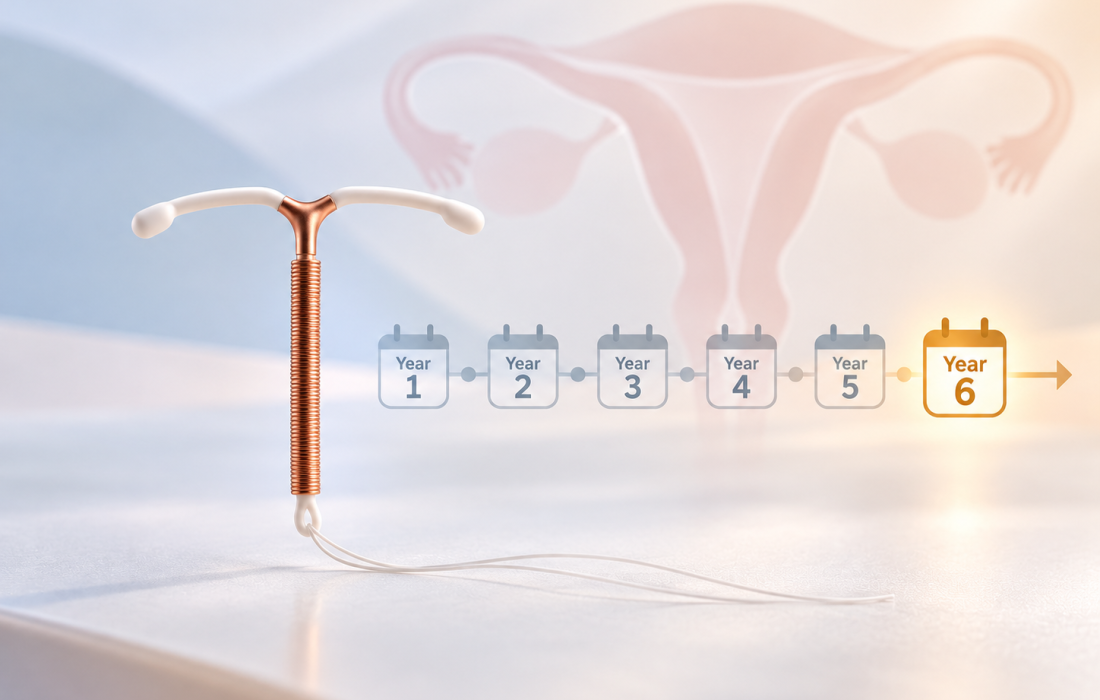
Organon reports six-year interim Phase 3 data for hormone-free MIUDELLA, with a cumulative Pearl Index of 0.93 as the FDA reviews extended use.
Written By: Saniya Katakdhond, PharmD
Reviewed By: Pharmacally Editorial Team
Organon announced on October 16, 2026, that interim results from an ongoing Phase 3 study of MIUDELLA®, a hormone-free, copper-containing intrauterine device (IUD), showed sustained contraceptive efficacy through six years of use. No new safety signals were identified during the additional three years of follow-up. The findings will be presented at the 2026 Society of Family Planning Annual Meeting in San Francisco, California, on October 17–19.
Developed by Sebela Women’s Health, MIUDELLA is exclusively licensed globally to Organon. The latest findings add longer-term clinical evidence as the company seeks to extend the device’s currently approved three-year duration of use.
Six-Year Phase 3 Data Show Sustained Contraceptive Efficacy
The prospective, single-arm Phase 3 study is being conducted by Sebela Women’s Health at 42 sites across the United States. It evaluates the efficacy and safety of MIUDELLA in females aged 17–45 years, with follow-up continuing beyond the current interim analysis.
The reported six-year findings include:
- Cumulative Pearl Index: 0.93 pregnancies per 100 woman-years of exposure (95% confidence interval [CI], 0.62–1.34).
- Cumulative pregnancy rate: 3.9% at six years (95% CI, 2.7%–5.8%), estimated using the Kaplan–Meier method.
- Evaluable populations: Six-year pregnancy outcomes were assessed in 465 of 1,397 participants in the evaluable-for-pregnancy population, while the safety population included 592 of 1,601 enrolled participants.
The Pearl Index measures pregnancy incidence relative to the duration of contraceptive exposure, whereas the Kaplan–Meier estimate describes the cumulative probability of pregnancy over time. Together, these measures provide complementary information about contraceptive performance during extended use.
However, the six-year findings represent an interim analysis of an ongoing study. The smaller populations with six-year outcomes compared with the original enrolled populations are important when interpreting the results. The reported estimates support continued evaluation of efficacy but do not establish that every participant completed six years of use.
Safety Findings and Discontinuations During Extended Use
According to Organon, no new safety signals were identified during the additional three years of follow-up. Treatment-emergent adverse events reported through six years included heavy menstrual bleeding, dysmenorrhea and pelvic discomfort.
Bleeding- and pain-related adverse events leading to study discontinuation were reported in 139 participants (8.7%) in year one and 11 participants (1.9%) in year six.
These observations provide information about tolerability during longer-term use. Nevertheless, the annual discontinuation figures should not be interpreted as cumulative rates or direct evidence that tolerability improves over time. The number and characteristics of participants remaining under observation may differ across follow-up periods.
MIUDELLA also carries a boxed warning concerning complications associated with improper insertion. The device is available through a Risk Evaluation and Mitigation Strategy (REMS) program requiring healthcare providers to complete training and certification before first use. Potential complications include uterine perforation, infection and device expulsion.
FDA Reviews Proposed Extension to Six Years
MIUDELLA is currently indicated for pregnancy prevention in females of reproductive potential for up to three years. The US Food and Drug Administration (FDA) has accepted a supplemental New Drug Application (sNDA) seeking to extend the approved duration of use to six years.
Organon expects an FDA regulatory decision in the second quarter of 2027. Until the proposed extension is approved, the existing three-year indication remains in effect.
The application represents a potential expansion of MIUDELLA’s contraceptive use period. If approved, the longer duration could reduce the need for earlier device replacement, although the clinical and practical implications will depend on the final approved labeling and individual patient circumstances.
Clinical Interpretation
The six-year interim findings provide evidence of sustained contraceptive efficacy, with a cumulative Pearl Index of 0.93 and a Kaplan–Meier pregnancy rate of 3.9%. The absence of newly identified safety signals during extended follow-up adds to the available safety evidence. However, it does not establish the absence of risk.
The study’s single-arm design, interim nature and smaller populations with six-year outcomes limit the conclusions that can be drawn. The results do not establish comparative superiority over other IUDs or contraceptive methods, and the reported insertion-related risks remain clinically relevant.
The central regulatory question is whether the totality of the efficacy and safety evidence supports extending the approved duration of use while maintaining an acceptable benefit–risk profile. The FDA’s review will determine whether MIUDELLA can be indicated for up to six years.
Reference
Organon, Organon Announces Positive Interim Phase 3 Study Results for MIUDELLA®, a Hormone-Free, Intrauterine Device (IUD), Through 6 Years of Use to Be Presented at the 2026 Society of Family Planning Annual Meeting, October 16, 2026.
Evaluation of Efficacy, Safety and Tolerability of VeraCept IUS, ClinicalTrials.gov ID NCT03633799

About the Writer
Saniya Sanjay Katakdhond (Linkedin) is a Doctor of Pharmacy professional with hands-on experience in patient case review, clinical documentation, medical record analysis, and patient care.
Her hospital experience has strengthened her understanding of clinical conditions, treatment approaches, and multidisciplinary healthcare practices.
With ICH-GCP certification and a research-oriented approach, she brings clinical insight and attention to detail to healthcare content development.
As a healthcare writer, Saniya focuses on translating clinical knowledge and patient-care experience into clear, accurate, and evidence-informed medical content.