
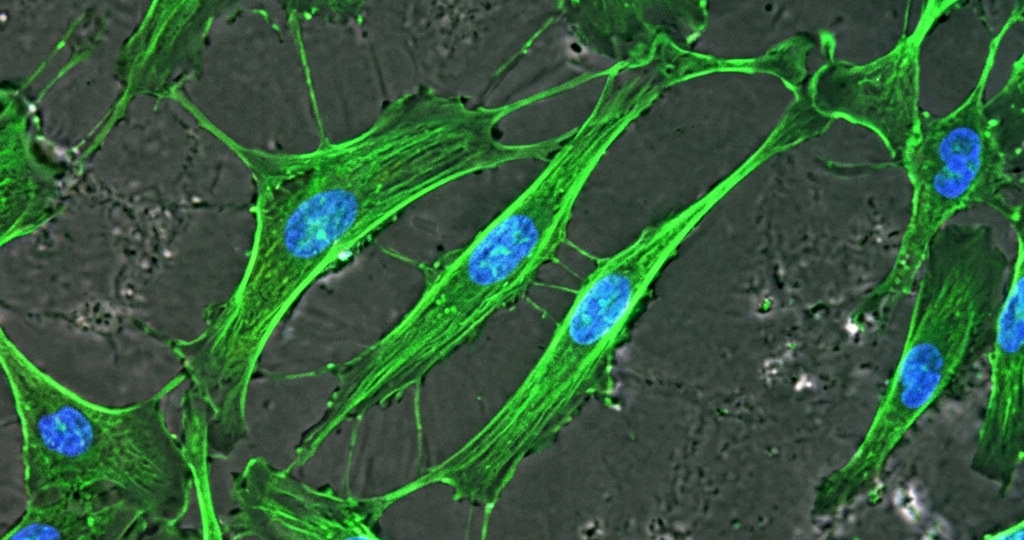
NeuroScientific reported an 80% clinical response with StemSmart in fistulising Crohn’s disease under the TGA Special Access Scheme, supporting Phase 2 trials in Australia and the US.
Written By: Anshu Gupta, PharmD
Reviewed By: Pharmacally Editorial Team
NeuroScientific Biopharmaceuticals has strengthened the clinical development pathway for its mesenchymal stem cell therapy, StemSmart™, after four of five patients with fistulising Crohn’s disease achieved a clinical response under Australia’s Therapeutic Goods Administration (TGA) Special Access Scheme (SAS). The remaining patient also showed improvement but did not meet the predefined threshold for clinical response. No serious adverse events were reported, and the findings have prompted the company to advance two Phase 2 clinical programs targeting Crohn’s disease.
StemSmart Targets Immune-Mediated Crohn’s Disease
StemSmart™ is an adult human bone marrow-derived mesenchymal stem cell (MSC) therapy manufactured using a proprietary process developed at Royal Perth Hospital. The therapy is intended to modulate abnormal immune responses that drive chronic inflammatory diseases.
Fistulising Crohn’s disease is one of the most severe complications of Crohn’s disease, characterized by abnormal fistula formation that often persists despite biologic therapies and surgery. Patients who fail available treatments have limited therapeutic options, creating a substantial unmet clinical need. NeuroScientific is also developing StemSmart for refractory Crohn’s disease, another difficult-to-treat patient population.
TGA Special Access Scheme Results Support Phase 2 Development
Five patients with fistulising Crohn’s disease received StemSmart under the TGA Special Access Scheme Category B pathway.
Four patients (80%) achieved a clinical response, defined as at least a 50% reduction in fistula openings or drainage. The fifth patient demonstrated clinical improvement but did not meet the predefined threshold for clinical response. No serious adverse events were observed during treatment.
Investigators also reported improvements in the Crohn’s Disease Activity Index (CDAI), Perianal Disease Activity Index (PDAI), and Inflammatory Bowel Disease Questionnaire (IBDQ). In addition, every patient had at least one seton removed, an important indicator of fistula healing.
The encouraging findings also build on previously reported Phase 2 results in refractory Crohn’s disease, where StemSmart demonstrated a 78% response rate in a different patient population using separate clinical endpoints. Together, these data continue to support further evaluation of the platform across multiple forms of Crohn’s disease.
Phase 2 Clinical Programs Expand Development Strategy
NeuroScientific is preparing two Phase 2 clinical studies informed by the SAS experience.
The first is an open-label, single-arm study in patients with fistulising Crohn’s disease in Australia under the TGA Clinical Trial Notification (CTN) pathway. If successful, the program could support Australian marketing authorization and an earlier commercialization pathway.
The second is a randomized, double-blind, two-arm Phase 2 trial in refractory Crohn’s disease across Australia and the United States under the U.S. Food and Drug Administration (FDA) Investigational New Drug (IND) program. The study is intended to support future global Phase 3 partnering and commercialization.
Study protocols, patient selection criteria, dosing schedules, and MRI assessments are being refined using data generated from the SAS program together with previous clinical experience. The company has also submitted a pre-IND briefing package to the FDA to guide final trial design.
Manufacturing Readiness Supports Clinical Advancement
NeuroScientific continues transferring StemSmart manufacturing to Q-Gen Cell Therapeutics, a TGA-licensed cell therapy manufacturing facility.
The technology transfer has entered the GMP engineering and demonstration phase, during which consecutive manufacturing batches must meet predefined potency and release specifications before regulatory approval. The transfer remains on track for completion during the second half of 2026, subject to successful validation and TGA audit. Once completed, Q-Gen will be licensed to manufacture StemSmart for Phase 2 studies and future commercial supply.
Leadership Highlights Clinical and Regulatory Milestones
Chief Executive Officer Nathan Smith said the SAS outcomes provide important clinical evidence in a patient population with few remaining treatment options. He added that the results support both the planned Australian fistulising Crohn’s disease study and the multinational refractory Crohn’s disease program. Smith also identified the upcoming FDA pre-IND meeting and the TGA audit of Q-Gen as important milestones supporting clinical readiness.
Pipeline Strategy Prioritizes StemSmart Development
Following a technical and commercial review, NeuroScientific has discontinued independent development of its glaucoma candidate EmtinB. The company will instead pursue out-licensing and strategic partnership opportunities to advance the ophthalmic peptide program while focusing internal resources on StemSmart.
Regulatory and Clinical Milestones Ahead
NeuroScientific ended the June 2026 quarter with AU$4.6 million in cash, providing funding for its planned clinical development and manufacturing activities. Near-term priorities include completing the StemSmart technology transfer, finalizing Phase 2 study protocols, incorporating FDA pre-IND feedback, progressing the TGA audit of Q-Gen, and initiating the planned Crohn’s disease clinical trials.
Reference

About the Writer
Anshu Gupta (LinkedIn) is a PharmD professional and healthcare writer with interests in clinical research, pharmacovigilance, regulatory affairs, and medical writing. She has presented research at academic conferences and completed certifications in Good Clinical Practice (GCP), ICH-GCP, and drug safety. Passionate about clinical trials and evidence-based medicine, she is committed to translating scientific evidence into accurate, reliable, and accessible healthcare content.