
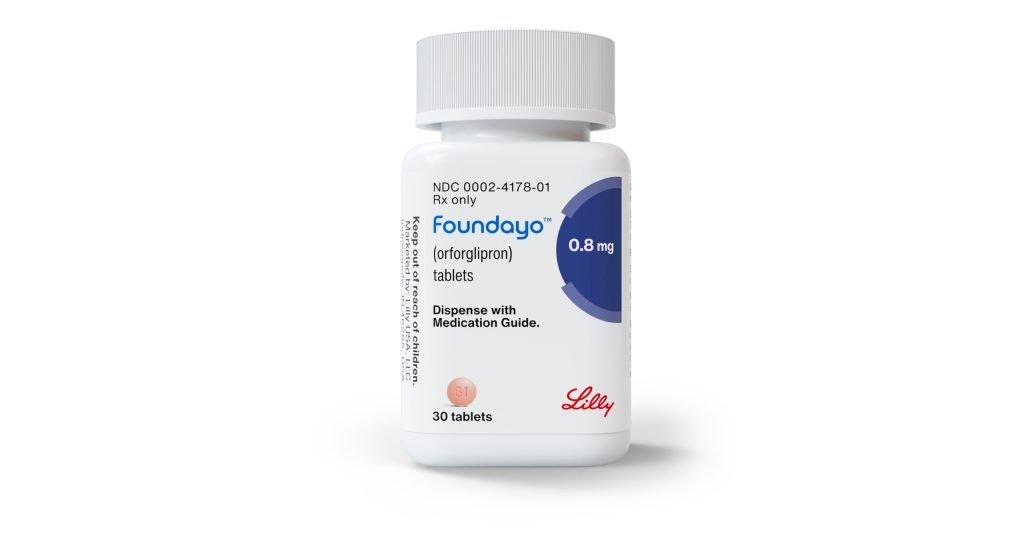
Lilly reported Phase 3b data showing that patients with obesity maintained most prior weight loss with continued Zepbound therapy or after switching to oral Foundayo.
Written By: Samiksha Jadhav, BPharm
Reviewed By: Pharmacally Editorial Team
Eli Lilly and Company presented detailed results from the Phase 3b SURMOUNT-MAINTAIN and ATTAIN-MAINTAIN trials showing that adults with obesity maintained substantial prior weight loss with either continued tirzepatide treatment or a switch to oral orforglipron (Foundayo). The findings were presented at the 33rd European Congress on Obesity (ECO) and published in The Lancet and Nature Medicine.
SURMOUNT-MAINTAIN (NCT06047548) evaluated long-term weight maintenance in adults with obesity or overweight and weight-related comorbidities who previously completed 60 weeks of tirzepatide treatment at maximum tolerated doses (10 mg or 15 mg). Participants were then randomized to continue Zepbound at maximum tolerated dose (MTD), reduce to 5 mg, or switch to placebo for an additional 52 weeks.
At week 112, patients continuing Zepbound MTD maintained nearly all prior weight loss, while those reduced to 5 mg regained an average of 5.6 kg. Mean body weight in the MTD group declined from 112.2 kg at baseline to 88.7 kg after the maintenance phase, while the 5 mg group reached 94.6 kg. Participants remaining on Zepbound MTD achieved a total mean weight reduction of 25.2 kg (22.4%) from baseline, compared with 19.2 kg (17.0%) in the 5 mg group.
ATTAIN-MAINTAIN (NCT06584916) examined whether patients could maintain prior weight reduction after switching from injectable incretin therapies to once-daily oral Foundayo. The trial enrolled participants who previously received either Wegovy or Zepbound in the SURMOUNT-5 study.
After 52 weeks on Foundayo, patients who switched from Wegovy regained an average of 0.9 kg of previously lost weight, while those switching from Zepbound regained 5.0 kg, showing that most prior weight loss was maintained in both groups. Patients transitioning from Wegovy preserved 82.4% of prior weight loss, compared with 78.0% among those transitioning from Zepbound.
Louis J. Aronne, obesity specialist and Lilly consultant, said the studies provide additional evidence supporting long-term weight maintenance strategies following higher-dose injectable incretin therapy.
Kenneth Custer, executive vice president and president of Lilly Cardiometabolic Health, said obesity requires long-term management and emphasized the company’s focus on expanding treatment options, including oral therapies.
Safety findings were consistent with previous Phase 3 studies. The most common adverse events with Foundayo included nausea, constipation, vomiting, and diarrhea, while tirzepatide maintenance therapy was mainly associated with diarrhea, vomiting, and nausea. Discontinuation rates due to adverse events remained low across treatment groups.
Reference

About the Writer
Samiksha Vikram Jadhav (LinkedIn) is a B. Pharm graduate with a strong academic foundation in pharmaceutical sciences, pharmacology, and drug development. She specializes in pharma market research, with a focused interest in mergers and acquisitions, strategic partnerships, and global pharma and biotech deals. Her work centers on analyzing industry transactions, market positioning, and business strategies, translating complex developments into clear, accurate, and insightful scientific and commercial reporting.