
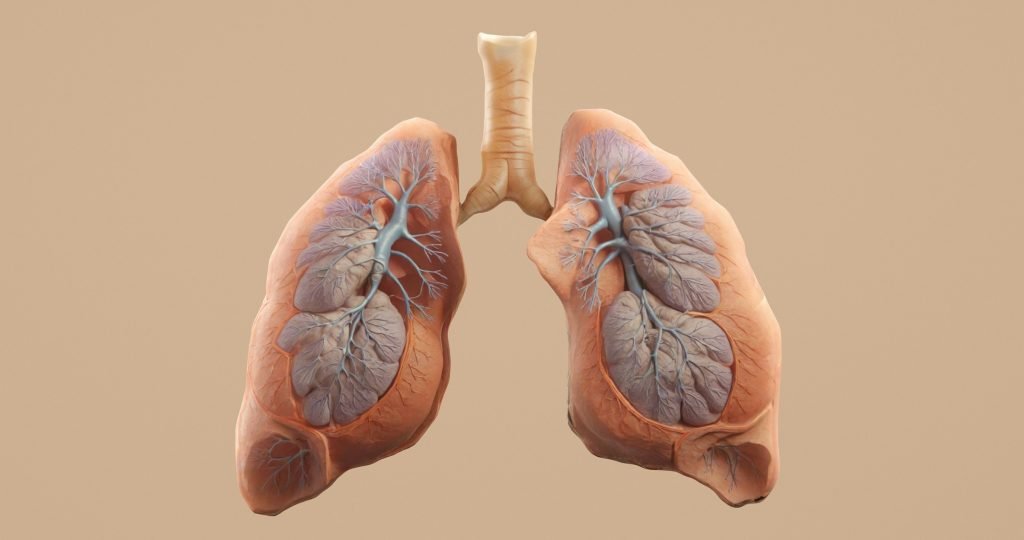
Kither Biotech reported positive Phase 1 results for inhaled KIT2014, showing favorable safety, tolerability, and no measurable systemic exposure in healthy participants, supporting further development in COPD, non-CF bronchiectasis, and cystic fibrosis.
Written By: Dr. Preethi Putti, PharmD
Reviewed By: Pharmacally Editorial Team
Kither Biotech has completed a Phase 1 clinical trial evaluating KIT2014, an investigational inhaled therapy for chronic respiratory diseases. The study met its primary objective, demonstrating that the therapy was safe and well tolerated in healthy participants across all tested dose levels.
The first-in-human trial enrolled 56 healthy volunteers and evaluated single ascending doses (SAD) and multiple ascending doses (MAD) of KIT2014. Participants received doses ranging from 0.1 mg to 2 mg daily for up to seven days. Researchers reported no significant safety concerns, supporting the advancement of the program into patient studies.
Novel Dual PDE3/4 Inhibition Targets Multiple Respiratory Pathways
KIT2014 is a cell-permeable peptide consisting of 42 amino acids and administered through inhalation. The therapy works by inhibiting both phosphodiesterase-3 (PDE3) and phosphodiesterase-4 (PDE4), enzymes involved in regulating intracellular levels of cyclic adenosine monophosphate (cAMP).
By increasing local cAMP concentrations within the airways, KIT2014 may provide two clinically important effects: bronchodilation, which helps open narrowed airways, and anti-inflammatory activity that may reduce chronic airway inflammation. This dual mechanism could offer benefits across several respiratory conditions characterized by airflow limitation and persistent inflammation.
The company is developing KIT2014 for chronic obstructive pulmonary disease, non-cystic fibrosis bronchiectasis, and cystic fibrosis, all of which remain associated with substantial disease burden despite available treatments.
Phase 1 Study Demonstrated Favorable Safety and Minimal Systemic Exposure
The randomized, double-blind, placebo-controlled Phase 1 study (NCT06659757) primarily assessed safety and tolerability, while secondary objectives focused on pharmacokinetics.
Investigators found that inhaled KIT2014 was well tolerated across both study phases. Blood plasma concentrations of the drug remained below the limit of detection at every dose level tested. The absence of measurable systemic exposure suggests that the therapy remains largely localized within the lungs, a characteristic that could help minimize systemic side effects often associated with PDE-targeting therapies.
These findings provide early validation of the inhaled delivery strategy and support further investigation in patients with chronic respiratory diseases.
Leadership Highlights Potential Clinical Advantages
Kither Biotech Chief Executive Officer Dr. Dimitrios Goundis described the study as a significant milestone for the company, noting that KIT2014’s ability to increase cAMP across multiple airway cell types may translate into both bronchodilator and anti-inflammatory benefits.
Anita van der Meer, Director of Kither Biotech Pty Ltd, emphasized that the therapy demonstrated consistent safety and tolerability throughout dose escalation while showing no measurable systemic exposure. She noted that the results establish a strong foundation for future clinical studies in patients with COPD.
Path Forward
With Phase 1 development completed, Kither Biotech plans to advance KIT2014 into clinical studies involving patients with respiratory diseases, beginning with COPD. Future trials will evaluate whether the favorable safety profile observed in healthy volunteers translates into meaningful clinical improvements in lung function, symptoms, and inflammation.
What This Means for Patients
While KIT2014 is still in early clinical development, its mechanism may have broad relevance across multiple chronic respiratory diseases that share airway inflammation and breathing difficulties. The therapy combines bronchodilator and anti-inflammatory effects in a single inhaled treatment and showed no measurable systemic exposure in this Phase 1 study, suggesting its activity remains largely confined to the lungs. If future patient studies confirm clinical benefits, KIT2014 could offer a new therapeutic approach for conditions such as COPD, non-cystic fibrosis bronchiectasis, cystic fibrosis, and potentially other respiratory disorders driven by similar underlying disease pathways.
Reference

About the Writer
Dr.Preethi Putti, PharmD (LinkedIn) is a pharmaceutical researcher with experience in healthcare and pharmaceutical market research and competitive intelligence. She specializes in analyzing drug pipelines, clinical data, and industry trends and translating complex scientific data into clear and structured medical content. Strong foundation in clinical research, data interpretation, and evidence-based healthcare analysis. Committed to advancing a global career in clinical research and healthcare innovation.