
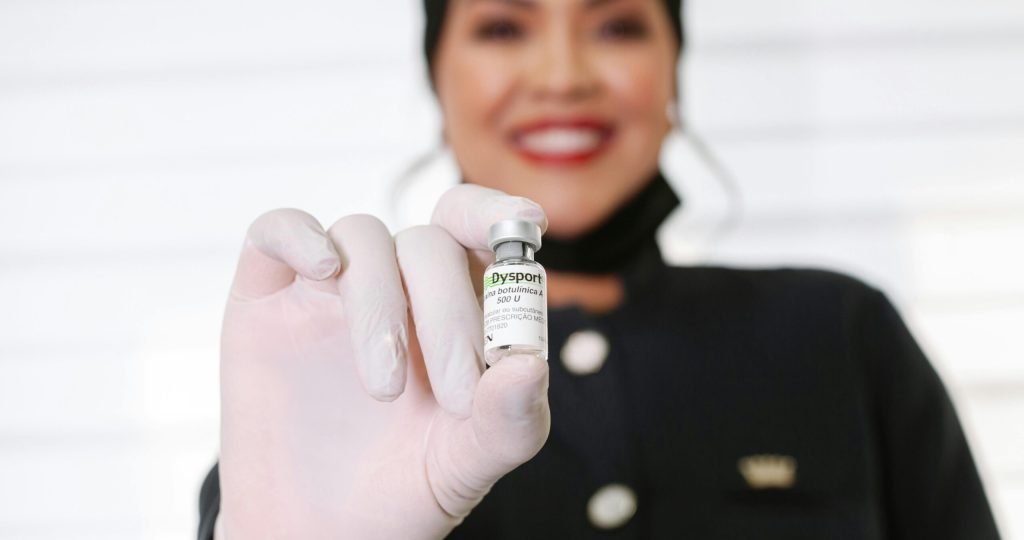
Ipsen’s Phase IV DIRECTION trial directly compared Dysport® and Botox® in adults with upper limb spasticity, showing non-inferior safety and modestly longer duration of symptom control. Findings presented at ISPRM 2026 may inform future treatment strategies and prescribing decisions.
Written By: Nikita Jha, BPharm
Reviewed By: Pharmacally Editorial Team
Ipsen has reported results from the Phase IV DIRECTION study, the first prospective, double-blind head-to-head trial comparing Dysport® (abobotulinumtoxinA) and Botox® (onabotulinumtoxinA) in adults with upper limb spasticity. Data presented at the ISPRM World Congress in Vancouver showed Dysport achieved non-inferior safety to Botox while demonstrating a modest extension in symptom control duration.
Upper limb spasticity, most commonly occurring after stroke, can severely impair mobility, limb positioning, and daily function. Botulinum toxin type A injections remain the recommended first-line treatment, but many patients experience breakthrough symptoms before their next injection cycle, making durability of response an important clinical consideration.
Dysport, a botulinum neurotoxin type A therapy with more than 30 years of clinical use, is approved in approximately 90 countries and has accumulated more than 18 million treatment-years of patient experience.
The DIRECTION trial (NCT04936542) enrolled 464 adults across 72 sites in the United States, France, and Canada. Participants received a single treatment cycle with either Dysport or Botox using standardized, instrument-guided injection techniques designed to ensure comparability between treatment groups.
For the primary endpoint, Dysport demonstrated non-inferior safety compared with Botox. Treatment-emergent adverse events occurred in 20.3% of patients receiving Dysport versus 23.0% of those treated with Botox. The adjusted difference was −2.7% (80% CI: −6.2%, 0.9), supporting the established safety profiles of both botulinum toxin therapies.
For the secondary endpoint evaluating duration of effect, Dysport provided symptom control for 14.2 weeks compared with 13.8 weeks for Botox. The adjusted difference favored Dysport and met the study’s prespecified statistical threshold for longer duration (80% CI: 0.2, 5.9; p=0.17, prespecified threshold p<0.20). Ipsen noted that evidence supporting longer duration was generally consistent across demographic and clinical subgroups.
Sandra Silvestri, MD, PhD, Executive Vice President and Chief Medical Officer at Ipsen, said durability of response remains central to maintaining patient mobility, function, and quality of life in spasticity management.
Principal investigator Alberto Esquenazi said the trial provides the first direct comparative evidence differentiating two widely used botulinum toxin type A therapies in upper limb spasticity, potentially helping inform clinical decision-making.
The findings also reinforce previously published real-world evidence suggesting prolonged treatment benefit with Dysport in routine clinical practice. As physicians increasingly focus on sustained symptom control and injection interval optimization, the DIRECTION study could contribute to future treatment discussions and prescribing strategies across major spasticity markets.
Reference

About the Writer
Nikita Jha, BPharm (LinkedIn) a pharmacy graduate specializing in medical writing, with a strong ability to interpret complex medical and regulatory information and translate it into clear, accurate, and evidence-based healthcare content. Known for her attention to detail and precision, she focuses on delivering high-quality scientific communication that supports drug safety and informed decision-making.