
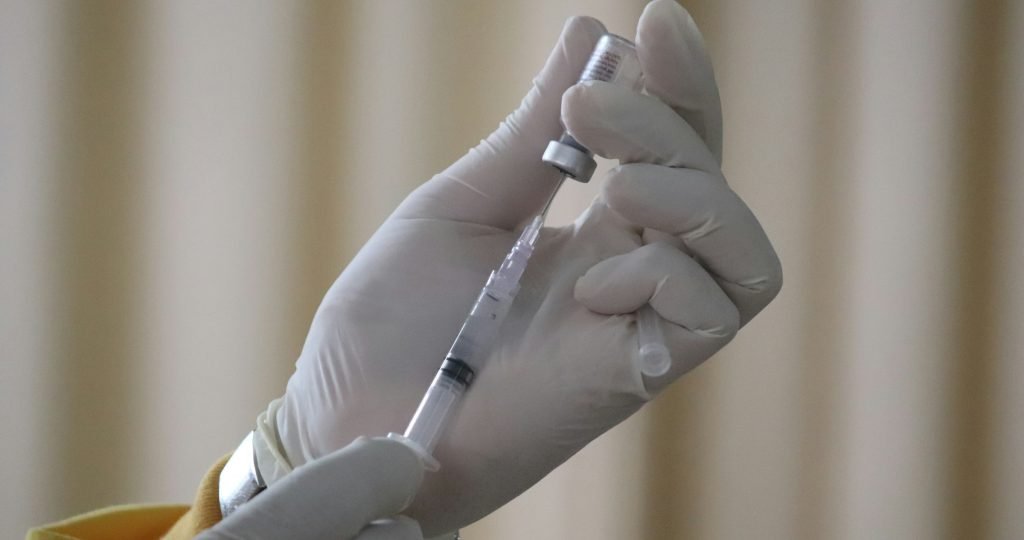
India approves Takeda’s QDENGA as the country’s first dengue vaccine. Learn about its efficacy, Phase 3 TIDES trial results, dosing, and public health impact.
Written By: Kalyani Boharapi,
M.Pharm (Reg. Affairs)
Reviewed By: Pharmacally Editorial Team
India’s drug regulator, the Central Drugs Standard Control Organization (CDSCO), has granted approval to Takeda’s dengue vaccine, QDENGA, making it the first dengue vaccine approved in the country. The approval represents a significant milestone in India’s efforts to combat dengue, a mosquito-borne viral disease that has become one of the fastest-growing vector-borne infections worldwide.
According to the World Health Organization (WHO), approximately 14.4 million dengue cases and 11,201 dengue-related deaths were reported globally in 2024. India accounted for 232,425 reported cases and 233 deaths, while reported dengue cases in the country have increased nearly eleven-fold over the past two decades, highlighting the growing public health burden.
QDENGA Offers Broad Protection Against All Four Dengue Serotypes
QDENGA is a live attenuated tetravalent dengue vaccine developed to provide protection against all four dengue virus serotypes (DENV-1, DENV-2, DENV-3, and DENV-4). The vaccine has been approved in India for use in children and adults aged 4 to 60 years and is administered as a two-dose regimen, with the second dose given three months after the first.
Unlike earlier dengue vaccines that required confirmation of prior dengue infection before vaccination, QDENGA can be administered regardless of an individual’s previous exposure to dengue. This eliminates the need for pre-vaccination serological testing and may simplify vaccine implementation in dengue-endemic regions.
Phase 3 TIDES Trial Demonstrated Strong Efficacy
The Indian approval is supported by data from the global Phase 3 TIDES trial (NCT02747927), one of the largest dengue vaccine studies conducted to date, involving more than 20,000 healthy children and adolescents living in dengue-endemic countries.
In the pivotal study, QDENGA demonstrated a vaccine efficacy of 80.2% against virologically confirmed dengue one year after administration of the second dose. The vaccine also achieved 90.4% efficacy against dengue-related hospitalizations after 18 months, successfully meeting a key secondary endpoint and demonstrating substantial protection against severe disease.
Long-term follow-up from the TIDES study has further shown that QDENGA provides sustained protection against dengue-related hospitalization for up to 4.5 years after vaccination, supporting the durability of its clinical benefit.
How QDENGA Differs from Earlier Dengue Vaccines
QDENGA differs from Sanofi’s Dengvaxia, which is recommended only for individuals with prior dengue infection because vaccination of dengue-naïve individuals was associated with an increased risk of severe dengue following subsequent natural infection.
By contrast, QDENGA can be administered without prior dengue testing, making it suitable for broader use in endemic settings and potentially simplifying national immunization strategies.
Manufacturing Partnership Supports Future Supply
To strengthen global vaccine availability, Takeda entered a manufacturing collaboration with Indian vaccine manufacturer Biological E in 2024 to support future production capacity for QDENGA. The partnership is expected to help expand vaccine supply as countries increase dengue prevention efforts.
Public health experts believe QDENGA has the potential to substantially reduce severe dengue and dengue-related hospitalizations. However, they also emphasize that vaccination alone is unlikely to eliminate dengue outbreaks while mosquito vectors continue to circulate. Continued vector control, mosquito bite prevention, surveillance, and public health interventions will remain essential components of comprehensive dengue prevention programs.
Global Regulatory Expansion
Before receiving approval in India, QDENGA had already been authorized in multiple countries and regions, including the European Union, the United Kingdom, Brazil, Argentina, Indonesia, and Thailand. The CDSCO approval further expands global access to the vaccine and marks an important step in strengthening dengue prevention in one of the world’s highest-burden countries.
A New Option for Dengue Prevention in India
The approval of QDENGA marks a major advancement in India’s dengue prevention landscape by providing healthcare professionals with the country’s first approved vaccine against dengue. As dengue continues to pose a growing public health challenge, the availability of a vaccine that protects against all four dengue virus serotypes has the potential to reduce dengue-related illness, severe disease, and hospitalizations while complementing existing mosquito control and public health measures.
Although QDENGA offers an important new preventive option, no vaccine provides complete protection. Vaccinated individuals should continue to follow recommended mosquito bite prevention measures and other public health guidance to reduce the risk of dengue infection.
References
Japanese drugmaker Takeda’s QDENGA becomes first dengue vaccine approved in India

About the Writer
Kalyani Boharapi (LinkedIn) is a pharmacy professional and healthcare writer currently pursuing an M.Pharm in Regulatory Affairs at Dr. D. Y. Patil College of Pharmacy, with interests in pharmaceutical regulations, drug development, and healthcare innovation. She has academic exposure to dossier preparation, scientific writing, and regulatory documentation. Kalyani has also completed certification courses in Generative AI, AI in Pharma, and Bioinformatics, and actively participates in pharmaceutical conferences to stay updated with emerging trends and advancements in the healthcare and pharmaceutical industry.