
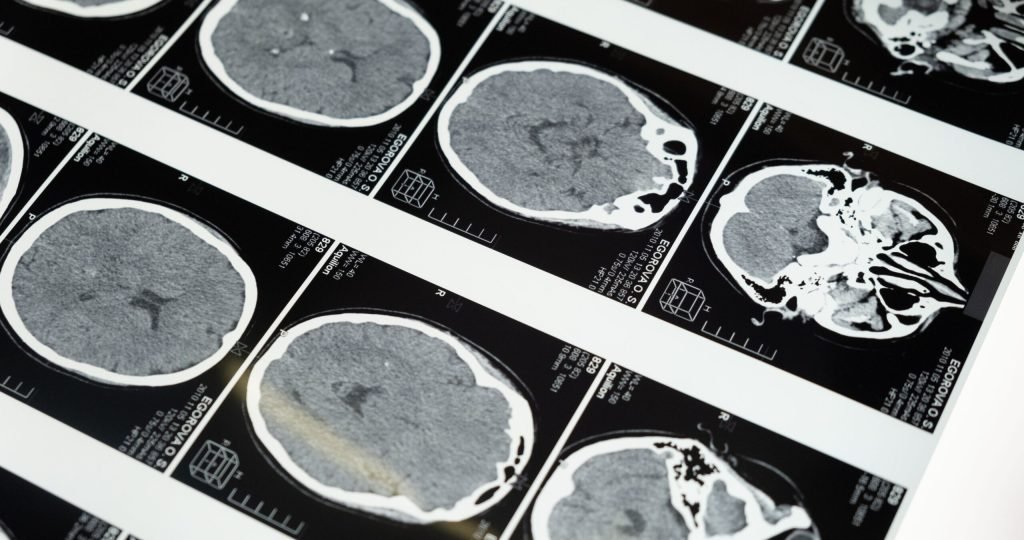
IN8bio’s Phase 1 trial of INB-200, a chemotherapy-resistant γδ T cell therapy, showed improved survival and favorable safety in glioblastoma, with peer-reviewed results published in JCO.
Written By: Chikkula Pavan Kumar, PharmD
Reviewed By: Pharmacally Editorial Team
IN8bio has published peer-reviewed results from its Phase 1 clinical trial (NCT04165941) evaluating INB-200 (DeltEx DRI) in patients with newly diagnosed glioblastoma (GBM). The findings, published in The Journal of Clinical Oncology (JCO), describe the first-in-human evaluation of an autologous, genetically modified gamma-delta (γδ) T cell therapy administered directly into the brain alongside standard temozolomide (TMZ)-based treatment.
The study found that INB-200 combined with the standard Stupp regimen was feasible and well tolerated, with repeat dosing producing encouraging improvements in progression-free survival and overall survival compared with historical outcomes reported for standard therapy alone.
A Chemotherapy-Resistant Gamma-Delta T Cell Approach
INB-200 is an autologous γδ T cell therapy engineered with an MGMT-expressing lentiviral vector, allowing the immune cells to resist the effects of alkylating chemotherapy such as temozolomide. Patients receive the cells through intracranial administration following surgical tumor resection, enabling direct delivery to the tumor site while continuing maintenance chemotherapy.
Glioblastoma remains the most common malignant primary brain tumor in adults and carries a poor prognosis. Despite surgery, radiation, and chemotherapy, median survival typically remains around 11 months, with nearly universal disease recurrence and a five-year survival rate of approximately 5%.
Phase 1 Trial Demonstrated Encouraging Efficacy and Favorable Safety
The Phase 1 frequency-escalation study enrolled 13 patients with newly diagnosed glioblastoma. Participants received one, three, or up to six intracranial doses of INB-200 during 28-day maintenance chemotherapy cycles following completion of chemoradiation.
The primary objectives focused on safety, feasibility, and repeated intracranial administration.
Across all treated patients, median progression-free survival (mPFS) reached 9.9 months, representing a 43.5% improvement over the historical standard-of-care benchmark of 6.9 months.
Clinical benefit appeared greatest among patients receiving repeated treatment. Those receiving three to six doses achieved:
- Median progression-free survival: 16.1 months
- Median overall survival: 19.5 months
These outcomes exceeded historical median overall survival of approximately 14.6 months reported with standard therapy.
Safety findings were also favorable. Investigators reported:
- No dose-limiting toxicities (DLTs)
- No cytokine release syndrome (CRS)
- No immune effector cell-associated neurotoxicity syndrome (ICANS)
The results support the feasibility of repeated intracranial administration without introducing significant immune-related toxicity.
Publication Strengthens Clinical Evidence
William Ho, Chief Executive Officer and Co-founder of IN8bio, said the peer-reviewed publication strengthens the scientific rationale for the company’s DeltEx platform and supports continued development of chemotherapy-resistant γδ T cell therapies for solid tumors.
Lead investigator Burt Nabors, MD, Professor of Neurology and Director of Neuro-Oncology at the University of Alabama at Birmingham’s O’Neal Comprehensive Cancer Center, said the study demonstrated that intracranial delivery of chemotherapy-resistant γδ T cells was feasible and well tolerated. He noted that prolonged disease control observed with repeated dosing provides strong justification for further clinical investigation.
Path Forward
IN8bio plans to continue advancing the DeltEx drug-resistant immunotherapy platform in newly diagnosed glioblastoma and expects to provide additional clinical updates later this year. If future studies confirm these findings, INB-200 could offer a new immunotherapy strategy that complements chemotherapy rather than competing with it, addressing one of the major challenges in glioblastoma treatment.
What This Means for Patients
Glioblastoma has few effective treatment options, and most tumors return despite surgery, radiation, and chemotherapy. Early Phase 1 results suggest that INB-200 may help extend the time before the disease progresses without adding serious immune-related side effects. Larger clinical studies are still needed to confirm these findings before the therapy can become a standard treatment.
Reference

About the Writer
Chikkula Pavan Kumar (LinkedIn), PharmD is a Doctor of Pharmacy with a keen interest in clinical pharmacy, pharmacovigilance, and evidence-based practice. In his words, he is passionate about patient safety and translating complex medical information into clear, research-driven communication.