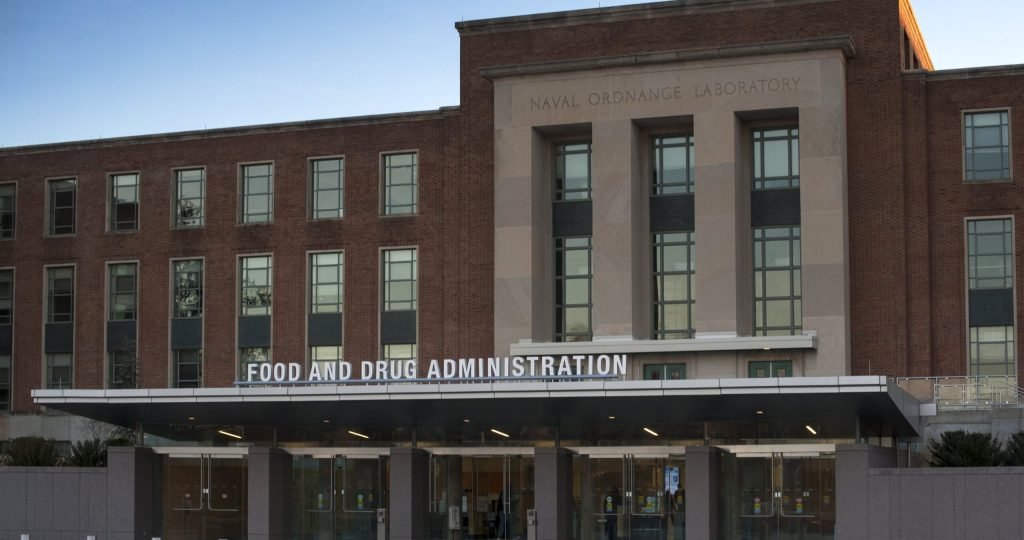
The FDA has launched a public request for information on drug repurposing opportunities to help address unmet medical needs and support evidence-based labeling updates for approved medicines.
The U.S. Food and Drug Administration (FDA) has launched a public request for information to support efforts aimed at expanding drug repurposing opportunities for diseases and conditions with unmet medical needs.
Drug repurposing involves identifying new uses, including new indications or patient populations, for already approved medicines. According to the FDA, this approach may help accelerate treatment availability by relying on existing scientific and safety data for approved therapies.
The initiative is part of a broader FDA effort to modernize the labeling of approved drugs when supported by sufficient scientific evidence, with the goal of ensuring labeling remains clinically relevant and scientifically current for healthcare professionals and patients.
FDA Commissioner Marty Makary said many patients still lack effective treatment options despite the availability of promising scientific evidence. He noted that drug repurposing could help make better use of existing data to expand treatment access for patients in need.
Areas of Interest for the FDA
The agency is seeking feedback from patients, clinicians, researchers, and other stakeholders on disease areas and drug candidates that may be suitable for repurposing, particularly in situations where commercial incentives for pursuing formal approval may be limited.
The FDA said it is especially interested in areas with significant unmet need, including metabolic disorders, neurodegenerative diseases, women’s and men’s health conditions, substance use disorders, and rare diseases.
Through the public docket, the FDA is requesting information on:
- Approved drugs where sufficient evidence may already support a new use
- Drug candidates with preliminary clinical evidence that may justify further investigation
- Candidates supported by emerging preclinical evidence, including findings generated through artificial intelligence and machine learning tools
The agency is also requesting feedback on barriers that may limit development or use of repurposed medicines, especially in cases where publicly available scientific evidence exists but commercial incentives are weak.
Established Examples of Drug Repurposing
Several widely used medicines today originated through successful drug repurposing efforts. Established examples include Methotrexate, initially developed for cancer treatment before later becoming a major therapy in autoimmune diseases such as rheumatoid arthritis; Minoxidil, first approved for hypertension before its use in hair loss; and Sildenafil, which later gained approvals beyond its original cardiovascular research focus.
These examples illustrate how existing drugs can gain entirely different therapeutic applications after additional scientific and clinical evaluation.
Modern Expansion of Repurposing Strategies
More recently, GLP-1 receptor agonists such as Semaglutide have emerged as prominent modern examples of expanding therapeutic utility. Initially developed for diabetes and obesity, these medicines are now being investigated across a growing range of conditions including cardiovascular disease, chronic kidney disease, metabolic liver disease, sleep apnea, neurodegenerative disorders, and addiction-related conditions.
The expanding research around GLP-1 medicines reflects growing industry and regulatory interest in maximizing the therapeutic potential of existing drug classes through additional clinical development and evidence generation.
Challenges in Evidence-Based Repurposing
The FDA’s request for information also highlights the scientific and regulatory challenges involved in validating repurposed medicines for new uses. While some drugs gain widespread public attention for potential alternative applications, many candidates still lack the clinical evidence required for regulatory approval.
One example is Fenbendazole, an antiparasitic medicine approved for veterinary use that has drawn public interest and anecdotal discussion regarding potential cancer-related applications. However, fenbendazole is not FDA-approved for cancer treatment in humans, and currently lacks sufficient clinical evidence demonstrating safety and efficacy in oncology settings.
The contrast between established repurposed therapies and investigational or anecdotal candidates reflects the FDA’s emphasis on evidence-based evaluation, clinical validation, and scientifically supported labeling updates.
Existing Regulatory Frameworks
The FDA noted that the initiative builds on existing regulatory programs and legislative frameworks, including the Best Pharmaceuticals for Children Act, the MODERN Labeling Act of 2020, and Project Renewal, an FDA-led effort focused on updating oncology drug labeling based on current scientific evidence.
The agency also referenced the September 2025 “Make Our Children Healthy Again” strategy report, which directed the FDA and the National Institutes of Health to explore ways to strengthen the use of repurposed drugs for chronic diseases through collaborative clinical trial approaches.
Public Submissions Open
The FDA stated that public submissions will help shape future approaches to evaluating and facilitating drug repurposing opportunities in collaboration with federal agencies including the National Institutes of Health and the Centers for Medicare and Medicaid Services.
Interested stakeholders may submit comments and supporting information through docket number FDA-2026-N-4492.
Reference
FDA Advances Drug Repurposing to Address Unmet Medical Needs | FDA
Federal Register : Drug Repurposing for Unmet Medical Needs; Request for Information