
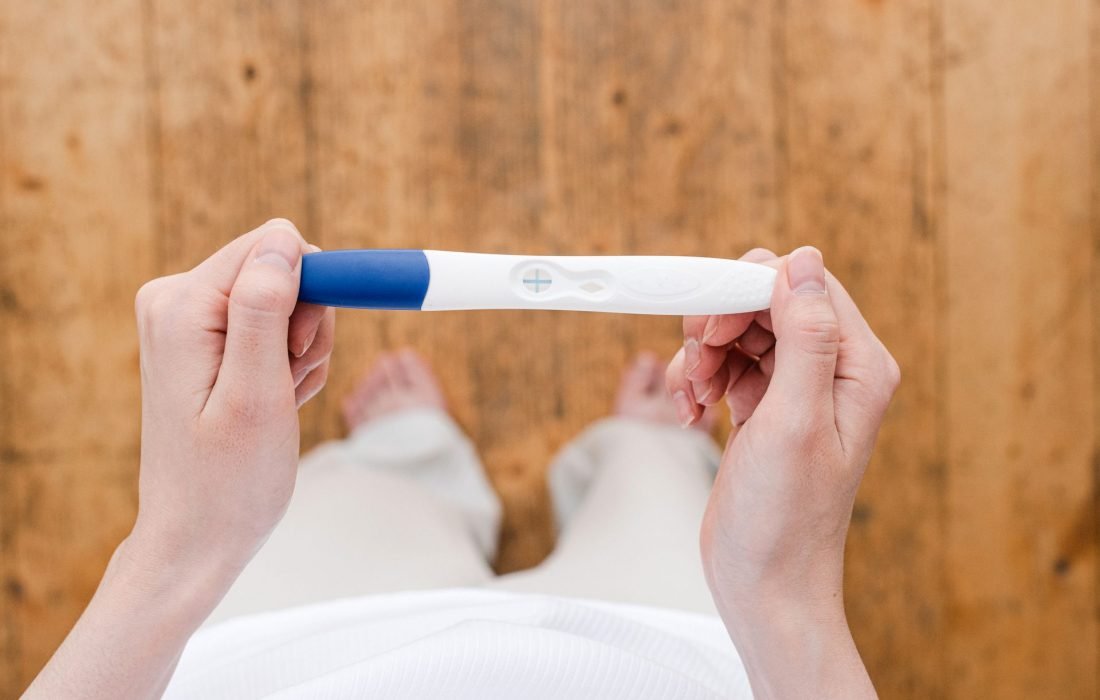
FDA implements revised iPLEDGE REMS requirements for isotretinoin, allowing prescriber-authorized home pregnancy testing and streamlining prescription procedures.
Written By: Kalyani Boharapi, M. Pharm (RA)
Reviewed By: Pharmacally Editorial Team
The US Food and Drug Administration (FDA) confirmed that modifications to the iPLEDGE Risk Evaluation and Mitigation Strategy (REMS) for isotretinoin were implemented on November 15, 2026, activating changes previously approved on February 9, 2026. The revised programme introduces greater flexibility in pregnancy testing, prescription collection and documentation requirements while retaining safeguards against isotretinoin-associated embryo-fetal toxicity.
The implementation follows a delay announced by the FDA in June 2026, when the agency moved the planned activation date from August 8 to November 15 to allow additional system testing and minimize technical disruptions that could affect patient access to treatment.
Updated Pregnancy Testing Requirements and Patient Access
Under the implemented modifications, patients who can become pregnant must continue to complete the required pregnancy tests in a medical setting before initiating isotretinoin treatment. However, prescribers may now permit subsequent monthly pregnancy tests to be performed outside a medical setting, including through home pregnancy tests, during and after treatment.
The revised programme also removes the additional waiting period previously associated with the 19-day lockout requirement. If a patient who can become pregnant does not collect their prescription within the initial seven-day window following a negative pregnancy test, a repeat test may now be performed immediately without an additional waiting period. However, if the patient has not started isotretinoin, the repeat pregnancy test must be conducted in a medical setting.
For patients who cannot become pregnant, monthly documentation of counselling in the iPLEDGE REMS is no longer required. Prescribers must still provide counselling at enrolment and reinforce relevant safety information throughout treatment.
Changes for Prescribers and Pharmacies
The implementation also clarifies requirements for existing programme participants. Enrolled patients do not need to re-enrol and can continue using their existing iPLEDGE accounts. Similarly, prescribers and pharmacy-authorized representatives do not need additional enrolment or re-certification because of the modifications. Existing accounts and established workflows can continue, subject to regular annual re-certification requirements.
Prescribers who permit pregnancy testing outside medical settings must establish appropriate procedures to minimize the risk of misinterpretation or falsification of test results. The responsibility for maintaining appropriate oversight therefore remains with healthcare professionals despite the expanded testing flexibility.
For pharmacies, the previous 30-day prescription window for patients who cannot become pregnant has been removed. Pharmacies must maintain appropriate dispensing procedures, including reversing uncollected prescription authorizations in the REMS system and returning the associated prescriptions to stock.
The revised programme also clarifies that pharmacy staff must undergo annual training, with the certified pharmacy’s authorized representative responsible for maintaining training completion records.
Importantly, prescribers do not need to change the assigned patient categories for individuals who are already enrolled or active in the programme. This provision allows existing participants to continue within their established accounts without additional categorization procedures.
Regulatory Background and Safety Considerations
Isotretinoin is a prescription retinoid approved for treating severe nodular acne that has not responded adequately to other treatments in non-pregnant patients aged 12 years and older. Its use during pregnancy can cause severe birth defects and other serious embryo-fetal complications. Consequently, all FDA-approved isotretinoin products are distributed through the iPLEDGE programme, an FDA-required shared-system REMS designed to manage this risk.
The iPLEDGE programme was originally implemented in early 2005 and subsequently approved as a REMS on October 22, 2010. On November 30, 2023, the FDA notified isotretinoin manufacturers that modifications were required to reduce administrative burdens while maintaining measures to prevent fetal exposure.
Following its review, the FDA approved the revised REMS on February 9, 2026, with implementation initially scheduled approximately 180 days later. However, in June 2026, the agency postponed implementation until November 15 to allow additional testing of system updates and minimize potential disruptions to patient access.
The November 15 announcement therefore marks the operational implementation of previously approved modifications rather than a new substantive approval of the programme.
Clinical and Regulatory Significance
The implementation represents a shift towards more flexible administration of isotretinoin risk-management requirements without removing the programme’s central safety obligations. Prescriber-authorized home pregnancy testing after treatment initiation may reduce the logistical burden of repeated medical-setting visits, while removal of the additional waiting period may help avoid unnecessary treatment interruptions following missed prescription collection windows.
The changes also clarify responsibilities across the distribution system. Prescribers retain oversight of pregnancy testing, while pharmacies must maintain appropriate authorization, dispensing and training procedures. Importantly, mandatory pre-treatment pregnancy testing in a medical setting remains unchanged.
By activating the February-approved modifications, the FDA has moved towards reducing administrative barriers in isotretinoin treatment while retaining the safeguards necessary to manage embryo-fetal toxicity.
Reference
iPLEDGE Risk Evaluation and Mitigation Strategy (REMS), US FDA, 16 November 2026
Questions and Answers on the iPLEDGE REMS, US FDA, 16 November 2026
Implementation for iPLEDGE REMS Modifications Delayed Until November, US FDA
FDA Approves iPLEDGE REMS Modification, US FDA

About the Writer
Kalyani Boharapi (LinkedIn) is a pharmacy professional and healthcare writer currently pursuing an M.Pharm in Regulatory Affairs at Dr. D. Y. Patil College of Pharmacy, with interests in pharmaceutical regulations, drug development, and healthcare innovation. She has academic exposure to dossier preparation, scientific writing, and regulatory documentation. Kalyani has also completed certification courses in Generative AI, AI in Pharma, and Bioinformatics, and actively participates in pharmaceutical conferences to stay updated with emerging trends and advancements in the healthcare and pharmaceutical industry.