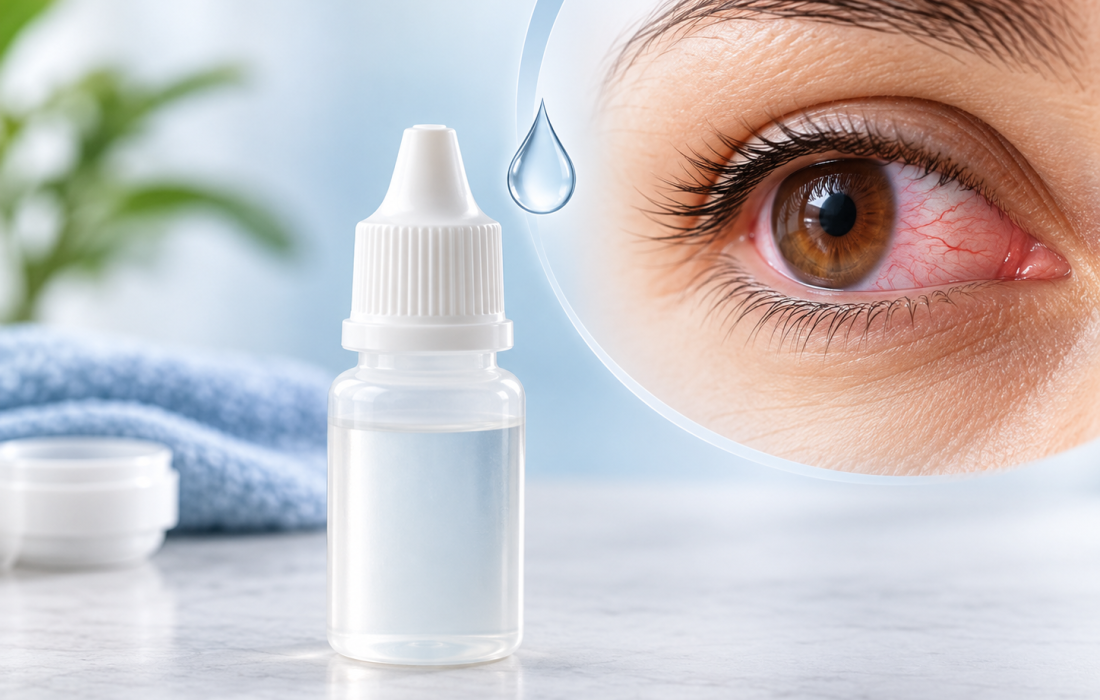
The FDA approves Alcon’s Brytly, apraclonidine 0.125% eye drops, the first nonprescription apraclonidine treatment for minor eye redness.
Written By: Mayuri Vaja, PharmD
Reviewed By: Pharmacally Editorial Team
The U.S. Food and Drug Administration (FDA) has approved Brytly (apraclonidine ophthalmic solution 0.125%), an over-the-counter (OTC) eye drop for temporary relief of eye redness caused by minor irritations. Developed by Alcon, Brytly is the first nonprescription eye drop containing apraclonidine, expanding access to an active ingredient previously available in higher concentrations through prescription products.
FDA Approval Expands Nonprescription Treatment Options
The approval gives adults and children aged 12 years and older a new option for managing eye redness associated with minor irritations, including dryness and exposure to dust. The FDA said the decision supports its broader public health priorities of improving access to affordable medicines and encouraging competition in the nonprescription drug market.
Mike Davis, M.D., Ph.D., director of the FDA’s Center for Drug Evaluation and Research, said the approval provides consumers with an additional option for managing eye redness without first needing to consult a healthcare provider.
However, the nonprescription status does not mean Brytly is suitable for every cause of red eye. Redness can result from conditions that require medical assessment, making the product’s usage restrictions and warning instructions important to its appropriate use.
Apraclonidine’s Pharmacological Role
Apraclonidine is an alpha-adrenergic receptor agonist that reduces the production of aqueous humor and can lower intraocular pressure. Higher-concentration apraclonidine ophthalmic products are available by prescription for specific indications, including reducing elevated eye pressure in patients with glaucoma or following certain laser eye procedures.
Brytly contains apraclonidine at a concentration of 0.125% and has a different intended use: temporary relief of eye redness associated with minor irritation. The approval establishes a new nonprescription use for the ingredient at this concentration.
Eye redness commonly occurs when superficial blood vessels in the eye become dilated or swollen. Although minor irritants can trigger this response, persistent or worsening redness may indicate an underlying condition that requires medical evaluation.
Dosing Instructions and Safety Precautions
The FDA has limited Brytly’s approved use to adults and children aged 12 years and older. Consumers should not use the eye drops more than twice daily and should follow the complete Drug Facts label.
Key precautions include:
- Contact lenses: Remove contact lenses before applying Brytly and wait at least 10 minutes before reinserting them.
- Other eye drops: Allow five minutes between applying Brytly and another ophthalmic product.
- Stop-use warnings: Discontinue use and consult a doctor if eye pain, vision changes, persistent redness or irritation develops.
- Duration of symptoms: Seek medical advice if symptoms persist for more than three days or worsen.
These precautions help distinguish appropriate short-term self-care from symptoms that warrant professional assessment.
Regulatory and Commercial Significance
The FDA’s approval adds another nonprescription option to the eye-redness treatment market and gives Alcon a product based on an established ophthalmic active ingredient. Moving apraclonidine into the OTC setting for this indication also illustrates how an ingredient used in prescription eye care can receive authorization for a different, more accessible use when supported by the relevant regulatory evidence.
The FDA granted the nonprescription approval to Alcon. The agency’s announcement did not provide clinical trial results, comparative efficacy data, or additional details on the studies supporting the approval. Consequently, the announcement alone does not establish how Brytly compares with other nonprescription eye-redness treatments.
The key clinical consideration will be its appropriate use for minor irritation, alongside clear consumer understanding of the product’s age limits, dosing restrictions and warning signs.
Reference
FDA Approves New Nonprescription Eye Drop for Relief of Eye Redness, US Food and Drug Administration, 16 October 2026

About the Writer
Mayuri Vaja (Linkedin) is a Pharm.D professional with a strong interest in clinical research, pharmacovigilance, and medical writing, supported by certifications in pharmacovigilance and academic projects exploring AI in healthcare and drug safety.
With a growing focus on evidence-based healthcare and scientific communication, she is developing expertise in clinical research and translating healthcare evidence into clear, meaningful content.
As a Pharmacally healthcare writer, Mayuri is committed to creating accurate, research-driven, and clinically relevant healthcare content while continuously strengthening her professional skills.