CSL reported positive Phase 3b results for ANDEMBRY in children aged 2 to 11 years with hereditary angioedema, supporting planned pediatric regulatory filings.
Written By: Anamika Koshti, PharmD
Reviewed By: Pharmacally Editorial Team
On July 27, 2026, CSL announced positive topline results from the Phase 3b study (NCT05819775) evaluating ANDEMBRY® (garadacimab-gxii) in children aged 2 to 11 years with hereditary angioedema (HAE). The study demonstrated a favorable safety and tolerability profile, with treatment response observed across the study population and the majority of participants remaining attack-free throughout the 12-month treatment period. CSL plans to begin submitting regulatory filings to health authorities during the first half of the company’s fiscal year to support an expanded pediatric indication for ANDEMBRY in this younger age group.
What Is Hereditary Angioedema?
Hereditary angioedema (HAE) is a rare, potentially life-threatening genetic disorder that affects approximately 1 in 10,000 to 1 in 50,000 people. The condition is caused by deficient or dysfunctional C1 esterase inhibitor (C1INH), a protein that regulates a key inflammatory pathway. When C1INH function is impaired, excessive fluid accumulates in body tissues, causing sudden and often unpredictable episodes of swelling.
HAE attacks may involve the face, abdomen, larynx, and extremities. Abdominal attacks can cause severe pain, nausea, vomiting, and diarrhea, while swelling of the larynx may result in airway obstruction, asphyxiation, and death if not treated promptly.
How ANDEMBRY Works
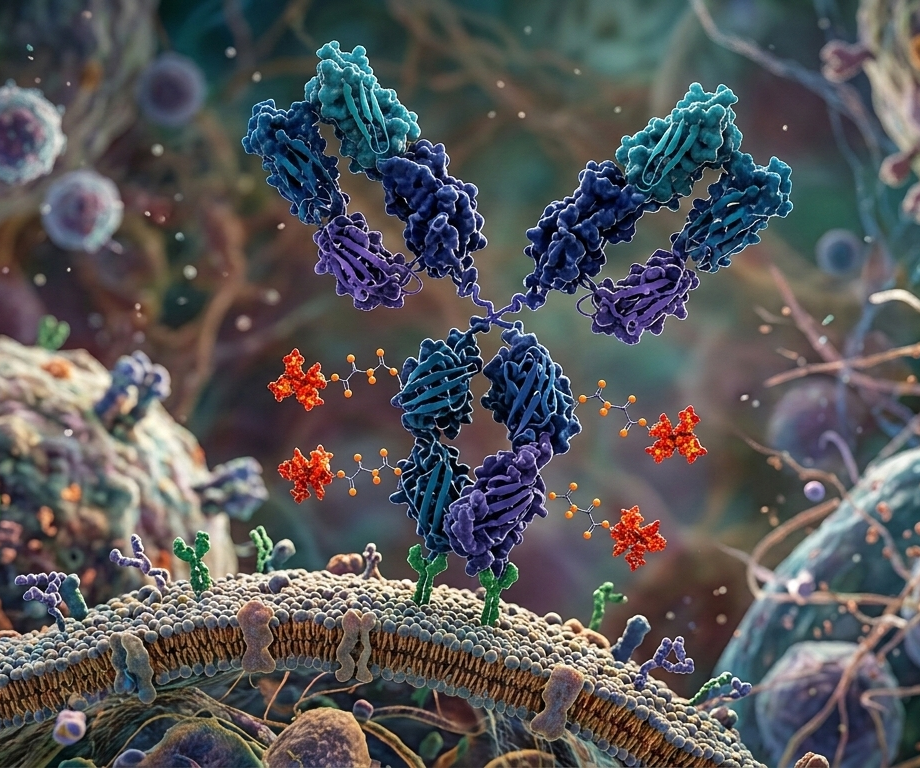
ANDEMBRY is a monoclonal antibody that selectively inhibits activated factor XII (FXIIa), the first protein activated in the hereditary angioedema pathway. Activation of FXII initiates the kallikrein-kinin cascade, leading to excessive bradykinin generation, the primary mediator responsible for the swelling seen in HAE attacks.
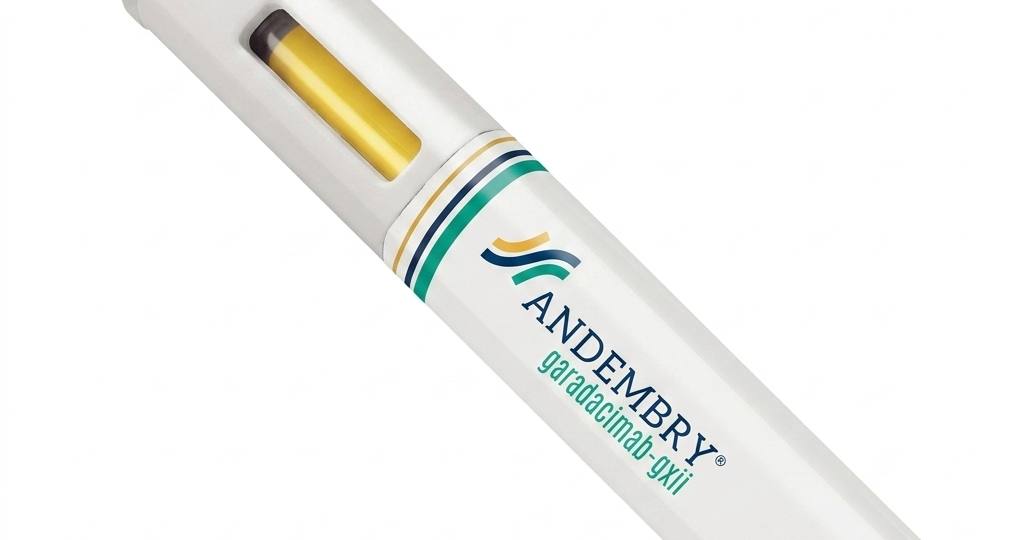
By blocking activated factor XII (FXIIa) at the initiating step of this cascade, ANDEMBRY acts upstream of other available HAE therapies that target downstream mediators. The therapy is administered as a once-monthly subcutaneous injection and is currently approved in more than 40 countries for the routine prevention of HAE attacks in adults and pediatric patients aged 12 years and older.
Phase 3b Study Design
The multicenter, open-label Phase 3b study (NCT05819775) evaluated the safety, tolerability, and treatment response of ANDEMBRY in children aged 2 to 11 years with hereditary angioedema over a 12-month treatment period.
A total of 22 children were enrolled. Participants aged 6 to 11 years (n=16) received 100 mg of ANDEMBRY once monthly by subcutaneous injection, while children aged 2 to 5 years (n=6) received 100 mg every two months.
The primary objectives were to characterize the safety and tolerability profile of ANDEMBRY in younger children and evaluate treatment response during long-term prophylactic therapy.
Key Results
ANDEMBRY demonstrated a favorable safety and tolerability profile across the study population that was consistent with findings from previous clinical studies in patients aged 12 years and older.
Treatment response was observed across both age cohorts, and the majority of participants remained attack-free throughout the 12-month treatment period, supporting the potential of ANDEMBRY as a preventive therapy in younger children with HAE.
The company has released topline results only, and detailed efficacy, safety, and statistical analyses have not yet been disclosed. Complete study findings, including age-specific efficacy and safety data, will be presented at an upcoming scientific congress and submitted for publication in a peer-reviewed journal.
Safety
Based on the approved prescribing information, the most commonly reported adverse events associated with ANDEMBRY include injection-site reactions (such as redness, itching, and bruising), abdominal pain, and nasopharyngitis.
The Phase 3b topline results characterized the safety and tolerability profile in children aged 2 to 11 years as favorable and consistent with previous studies, with comprehensive safety data expected to be presented at the upcoming scientific congress.
Expert Perspective and Regulatory Timeline
Dr. Bill Mezzanotte, Executive Vice President and Head of Research & Development at CSL, said the topline findings support the company’s plans to pursue an expanded pediatric indication for ANDEMBRY in children aged 2 to 11 years.
CSL plans to begin submitting regulatory applications to health authorities during the first half of its fiscal year, while full clinical data will be presented at an upcoming scientific congress and later submitted for publication in a peer-reviewed medical journal.
What This Means for Patients
ANDEMBRY is currently approved for patients aged 12 years and older, leaving younger children with hereditary angioedema without access to this once-monthly prophylactic treatment option. If regulatory authorities approve the expanded indication, children as young as 2 years could become eligible for preventive therapy with ANDEMBRY, potentially reducing the frequency and burden of HAE attacks during early childhood.
The study enrolled 22 children, reflecting the rarity of hereditary angioedema in this age group. While the topline findings are encouraging, the forthcoming detailed efficacy, safety, and statistical analyses will be important for regulators and clinicians to fully evaluate the therapy’s benefit-risk profile in younger pediatric patients.
Reference

About the Writer
Anamika Koshti (LinkedIn) is a PharmD professional and healthcare writer with interests in clinical research, pharmacovigilance, and evidence-based medicine. She has authored peer-reviewed publications on Alzheimer’s disease and PCOS, presented research at national conferences, and gained hands-on experience in medical content development and clinical data interpretation. She is committed to translating complex medical research into accurate, accessible content for healthcare professionals and patients.