
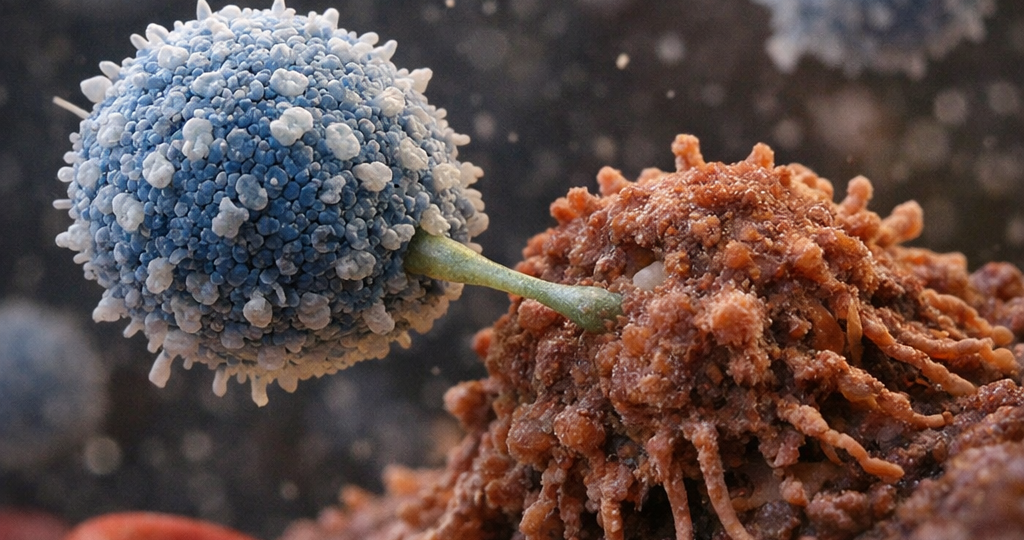
Chimeric Therapeutics reported new Phase 1 data showing up to 40% tumor shrinkage and prolonged stable disease with CHM CDH17 CAR-T in advanced GI cancers.
Written By: Kirti Kumbhar, M. Pharm (QA)
Reviewed By: Pharmacally Editorial Team
Chimeric Therapeutics has reported new interim clinical data from the ongoing Phase 1/2 trial (NCT06055439) evaluating CHM CDH17, an investigational third-generation autologous CAR-T cell therapy targeting Cadherin-17 (CDH17), in patients with advanced gastrointestinal (GI) cancers. Among four patients treated at Dose Level 3 (450 million CAR-T cells), preliminary findings from two patients demonstrated tumor shrinkage ranging from 17% to 40% across individual lesions, while stable disease has been maintained for six and four months, respectively, according to RECIST v1.1 criteria.
The update also showed no new safety signals beyond the previously reported dose-limiting toxicity disclosed in May 2026, supporting continued dose escalation and patient follow-up in the ongoing study.
Scientific and Clinical Context
CHM CDH17 (CHM-2101) is a first-in-class, third-generation autologous CAR-T cell therapy that targets Cadherin-17, a cell surface protein frequently expressed in colorectal cancer, gastric cancer, and intestinal neuroendocrine tumors. CDH17 is associated with tumor progression and metastasis, making it an attractive therapeutic target for solid tumors where effective cellular therapies remain limited.
The Phase 1/2 study is evaluating the therapy in patients with relapsed or refractory metastatic or locally advanced gastrointestinal cancers who have progressed after at least one prior standard systemic treatment. The trial aims to establish the recommended Phase 2 dose while assessing safety and preliminary antitumor activity.
Trial and Clinical Development Details
The open-label Phase 1/2 trial follows a dose-escalation and expansion design and is expected to enroll up to 15 evaluable patients during the Phase 1 portion before proceeding into indication-specific Phase 2 cohorts. Eligible participants include patients with advanced colorectal cancer, gastric adenocarcinoma, and intestinal neuroendocrine tumors.
Four patients have now received the highest planned dose of 450 million CAR-T cells. Interim efficacy data from the first two evaluable patients at this dose level showed measurable reductions in individual tumor lesions ranging from 17% to 40%. One patient maintained stable disease for six months, while another remained progression-free for four months at the latest assessment. Patient follow-up remains ongoing.
These findings build upon the company’s previously reported interim analysis, which demonstrated an 82% disease control rate at the 28-day assessment among nine of eleven evaluable patients. Safety monitoring continues following the earlier report of a single dose-limiting toxicity, with no additional toxicities or new safety signals observed to date.
Primary study endpoints include dose-limiting toxicity, cytokine release syndrome, overall safety, and objective response rate, while secondary endpoints include disease control rate, duration of response, progression-free survival, and overall survival.
Clinical Implications
Chimeric believes the accumulating clinical evidence strengthens the broader potential of its CDH17 platform beyond a single investigational therapy. According to Non-Executive Chairman Dr. Bradley Glover, the maturing dataset supports continued development of CDH17-directed cellular therapies across multiple oncology applications and may expand future opportunities for patients with difficult-to-treat gastrointestinal cancers.
Regulatory Path Forward
Manufacturing has been completed for the fifth patient in the Dose Level 3 cohort, with dosing expected in the coming weeks. The sixth and final patient in the Phase 1 dose-escalation study is expected to receive treatment before the end of 2026, subject to funding. Data from the remaining Dose Level 3 patients will further inform selection of the recommended Phase 2 dose and guide expansion into disease-specific cohorts.
What This Means for Patients
Although the study remains in its early stages, the latest findings provide preliminary evidence that CHM CDH17 may induce antitumor activity in patients with advanced gastrointestinal cancers, a setting where treatment options are often limited after standard therapies fail. The observation of tumor shrinkage together with several months of stable disease suggests the therapy warrants continued clinical evaluation. Larger Phase 2 studies will be needed to determine whether these early responses translate into durable clinical benefit and improved patient outcomes.
Reference

About the Writer
Kirti Kumbhar(LinkedIn) is an M.Pharm graduate with experience in Quality Assurance at Lupin Limited and a strong interest in clinical research, regulatory affairs, and Trial Master File (TMF) management. She has developed knowledge of regulatory documentation, quality systems, compliance, and healthcare research through her professional experience. Passionate about clinical development and continuous learning, Kirti is committed to supporting high-quality healthcare documentation, regulatory excellence, and research-driven healthcare advancements.