
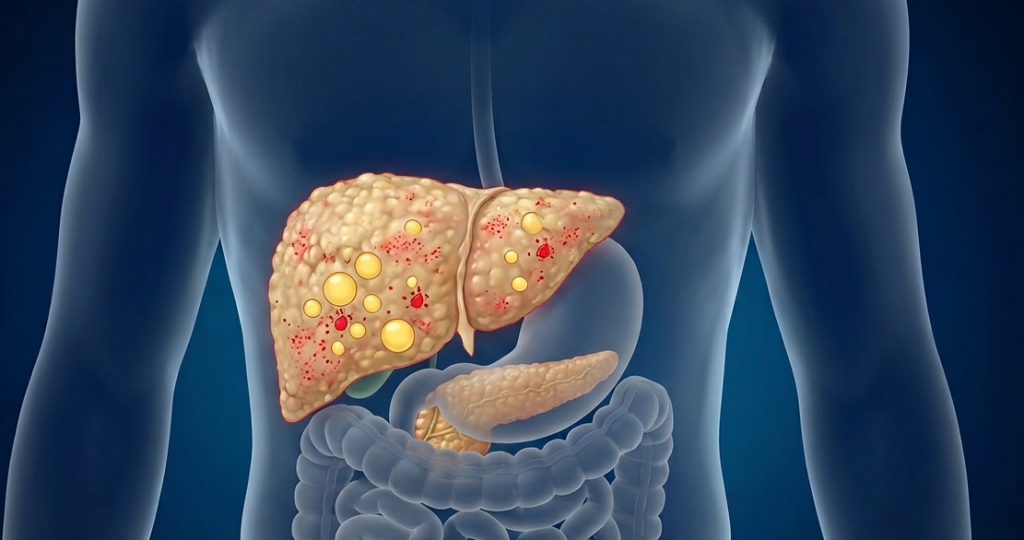
Altimmune’s Phase 2 RECLAIM trial showed pemvidutide significantly reduced heavy drinking days and met FDA-recognized endpoints in alcohol use disorder, supporting planned End-of-Phase 2 FDA discussions.
Written By: Meghana Jinka, PharmD
Reviewed By: Pharmacally Editorial Team
Altimmune has reported positive topline results from the Phase 2 RECLAIM trial evaluating pemvidutide, an investigational balanced glucagon/GLP-1 dual receptor agonist, in adults with moderate to severe alcohol use disorder (AUD). The once-weekly 2.4 mg therapy achieved the study’s primary endpoint by significantly reducing heavy drinking days compared with placebo while also meeting several important secondary endpoints recognized by the U.S. Food and Drug Administration (FDA) for potential registration.
The company plans to request an End-of-Phase 2 meeting with the FDA to discuss the clinical and regulatory path forward.
Pemvidutide Targets Both Metabolic and Liver Pathways
Pemvidutide is a novel peptide that delivers balanced 1:1 activation of glucagon and glucagon-like peptide-1 (GLP-1) receptors. Glucagon receptor activation directly affects the liver by reducing fat accumulation, inflammation, and fibrosis, while GLP-1 receptor activation supports weight loss, appetite regulation, and may influence brain pathways involved in alcohol craving and reward. The investigational therapy is currently being developed for metabolic dysfunction-associated steatohepatitis (MASH), alcohol use disorder, and alcohol-associated liver disease (ALD).
Alcohol use disorder affects an estimated 28 million adults in the United States, yet only three FDA-approved medications are available, and fewer than 2% of patients receive pharmacological treatment. The condition also contributes substantially to liver disease, cardiovascular disease, and cancer, highlighting the need for more effective therapies.
RECLAIM Trial Met Primary and Key Secondary Endpoints
The multicenter Phase 2 RECLAIM trial (NCT06987513) randomized approximately 100 adults with moderate to severe AUD and a body mass index above 25 kg/m² to receive either pemvidutide 2.4 mg or placebo once weekly for 24 weeks. The primary endpoint assessed the change in heavy drinking days per week from baseline.
Pemvidutide reduced heavy drinking days significantly more than placebo, with least squares mean treatment difference of -1.45 days per week (p=0.0014). The therapy also met all major secondary efficacy endpoints, including:
- A 64.4% rate of achieving a two-level reduction in World Health Organization (WHO) Risk Drinking Levels versus 34.8% with placebo (p=0.0049).
- 42.2% of treated participants achieved zero heavy drinking days during Weeks 21 to 24 compared with 17.4% receiving placebo (p=0.0066).
- Significant improvements in abstinent days and a marked reduction in phosphatidylethanol (PEth), an objective biomarker of alcohol consumption (p<0.0001).
- A placebo-adjusted 9.1% reduction in body weight after 24 weeks without evidence of efficacy plateauing.
Notably, both the two-level WHO risk reduction and zero heavy drinking days are FDA-recognized registrational endpoints for alcohol use disorder studies.
Safety Profile Remained Generally Favorable
Pemvidutide demonstrated a generally favorable tolerability profile. Most adverse events were mild to moderate and primarily gastrointestinal, including nausea, constipation, diarrhea, and vomiting. Treatment discontinuation rates were similar between the pemvidutide and placebo groups (20% versus 22%). One serious adverse event of hyponatremia in the treatment arm was considered possibly related to study drug. Investigators also noted that a simplified two-step dose titration may have improved gastrointestinal tolerability compared with previous dosing schedules.
Investigators Highlight Consistent Clinical Benefit
Altimmune Chief Medical Officer Christophe Arbet-Engels, M.D., Ph.D., said the consistent improvements across heavy drinking, WHO risk reduction, abstinence, and biomarker outcomes reinforce pemvidutide’s potential as a differentiated treatment for AUD, particularly given its direct effects on the liver.
Henry Kranzler, M.D., principal investigator of the RECLAIM study at the University of Pennsylvania Perelman School of Medicine, noted that the results provide consistent evidence of treatment benefit across both patient-reported drinking outcomes and objective biomarker measures, supporting pemvidutide’s potential to address multiple aspects of alcohol use disorder.
Regulatory Plans and Development Outlook
Following the positive Phase 2 results, Altimmune will seek an End-of-Phase 2 meeting with the FDA to define the registrational development strategy for pemvidutide in alcohol use disorder. The company also plans to present the RECLAIM findings at a scientific conference and submit the data for publication in a peer-reviewed journal.
Beyond AUD, pemvidutide has received FDA Fast Track designation for both AUD and MASH, along with Breakthrough Therapy designation for MASH. Altimmune expects enrollment in the Phase 2 RESTORE trial for alcohol-associated liver disease to conclude in the third quarter of 2026 and plans to initiate the Phase 3 PERFORMA trial in MASH during the same period, further expanding the clinical development program for the investigational therapy.
Reference

About the Writer
Meghana Jinka (LinkedIn) is a Pharm.D graduate with a strong interest in clinical pharmacy, clinical research, pharmacovigilance, and medical writing. She has developed expertise in evaluating scientific literature, interpreting clinical data, and communicating complex medical information in a clear and accessible manner. Through clinical training, patient counseling, and healthcare awareness activities, she has gained practical experience in evidence-based medicine and patient-centered care. Passionate about healthcare communication, Meghana is committed to developing accurate, engaging, and evidence-based healthcare documents that support healthcare professionals and the wider community.