
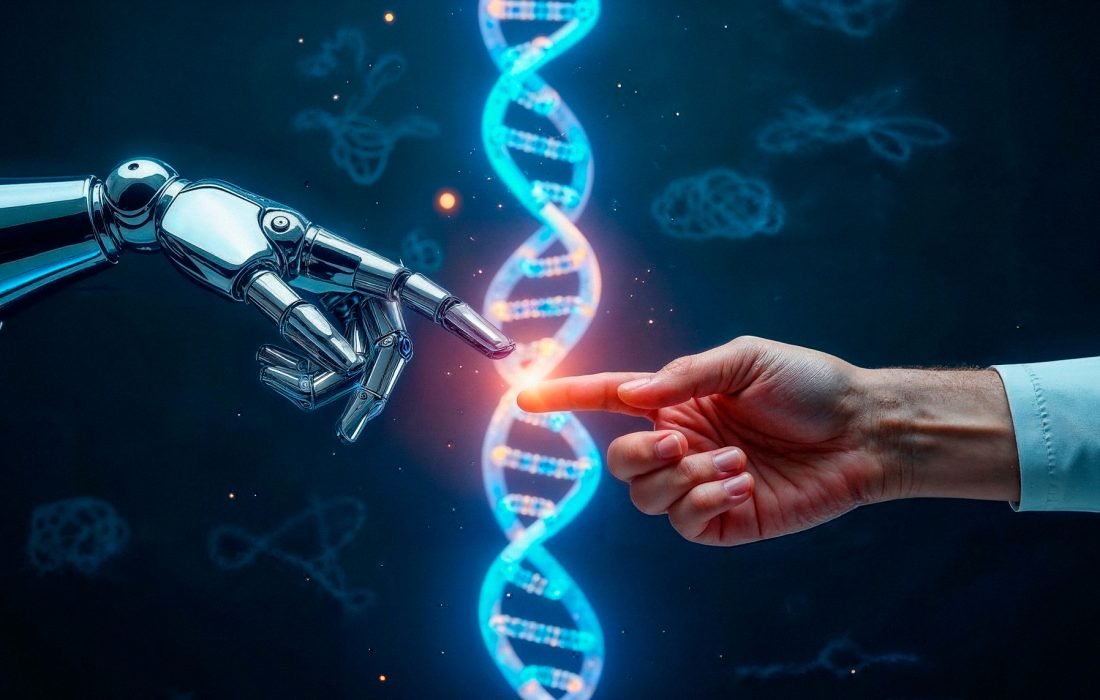
Chai Discovery partners with Roche to deploy AI protein design models across multiple drug discovery programs, expanding AI-driven therapeutic research.
Written By: Neha Vishwakarma, PharmD
Reviewed By: Pharmacally Editorial Team
Chai Discovery has entered a research collaboration with Roche to deploy its artificial intelligence models and computational platform across multiple drug discovery programs spanning Roche’s therapeutic areas. The partnership expands the use of AI-driven molecular design within Roche’s research portfolio and provides Chai with an opportunity to apply its protein-focused technology to pharmaceutical drug discovery.
The collaboration will integrate Chai’s AI models and platform into selected Roche research programs. Neither company disclosed the therapeutic targets, specific disease areas, number of programs, financial terms, or development timelines.
AI-Based Protein Design Enters Roche’s Drug Discovery Pipeline
Chai Discovery develops computational tools that use artificial intelligence to accelerate the discovery and development of protein-based therapeutics. Its platform applies machine learning to molecular design, helping researchers evaluate and develop protein molecules with potentially useful biological properties.
Protein therapeutics represent an important segment of modern drug development, encompassing antibodies, engineered proteins, and other biologics. Their discovery often requires extensive investigation of molecular structure, target interactions, binding characteristics, and functional activity.
Traditional protein discovery workflows can involve repeated cycles of experimental screening, molecular engineering, and laboratory validation. AI-based approaches could help researchers prioritize promising molecular candidates, explore protein-target interactions, and narrow experimental search spaces.
However, computational predictions must still undergo experimental validation to establish biological activity, specificity, stability, and other properties required for therapeutic development.
Chai-3 Expands the Company’s Computational Capabilities
Chai’s latest model, Chai-3, is positioned as a central component of its protein discovery technology. According to the company, the model has demonstrated high target success rates and binding affinities, including against challenging molecular targets.
These capabilities are relevant to protein-based drug discovery because achieving strong and selective interactions with disease-associated targets remains an important challenge in therapeutic development.
The ability to predict and optimize molecular binding could help researchers identify promising protein candidates earlier in the discovery process. Nevertheless, the company has not disclosed quantitative performance metrics, independent benchmarking results, or experimental validation data associated with Chai-3 in the context of the Roche collaboration.
The partnership announcement also does not identify whether Roche will use Chai-3 exclusively or combine multiple models and platform capabilities across its research programs.
Roche Adds Another AI-Based Discovery Collaboration
For Roche, the agreement represents another opportunity to incorporate external computational technologies into its drug discovery research. Applying AI-based protein design across multiple therapeutic areas could provide researchers with additional tools to investigate molecular targets and explore potential therapeutic candidates.
Boris L. Zaïtra, Head of Corporate Business Development at Roche, said Chai’s platform aligns with the company’s research strategy and expressed interest in advancing drug discovery programs through the collaboration.
Chai Discovery co-founder and CEO Joshua Meier highlighted the broader application of the company’s models across Roche’s therapeutic portfolio, indicating that the agreement extends the reach of its AI-driven molecular design capabilities.
From Computational Predictions to Therapeutic Candidates
The collaboration is part of Chai Discovery’s broader expansion of pharmaceutical partnerships in 2026. The company has reported collaborations with several leading pharmaceutical companies, although the announcement did not identify all participating partners or disclose the progress of individual programs.
The Roche agreement provides an additional industry application for Chai’s technology, but its eventual impact will depend on whether computationally identified or optimized proteins translate into experimentally validated therapeutic candidates.
Neither company disclosed specific development milestones, clinical entry timelines, or plans for advancing collaboration-generated candidates into human studies.
The key measure of success will therefore be the platform’s ability to contribute to the identification and development of viable therapeutic molecules, rather than computational performance alone.
Reference
Chai Discovery Announces Collaboration with Roche in AI-Driven Drug Discovery, Chai Discovery, 05 November 2026

About the Writer
Neha Vishwakarma (LinkedIn) is a Pharm.D professional with experience in clinical pharmacy, pharmacovigilance, and clinical research. She has hands-on experience in ADR assessment, ICSR processing, medication safety, and clinical data evaluation. Her research background in surgical site infections and antibiotic use supports her focus on evidence-based healthcare writing.