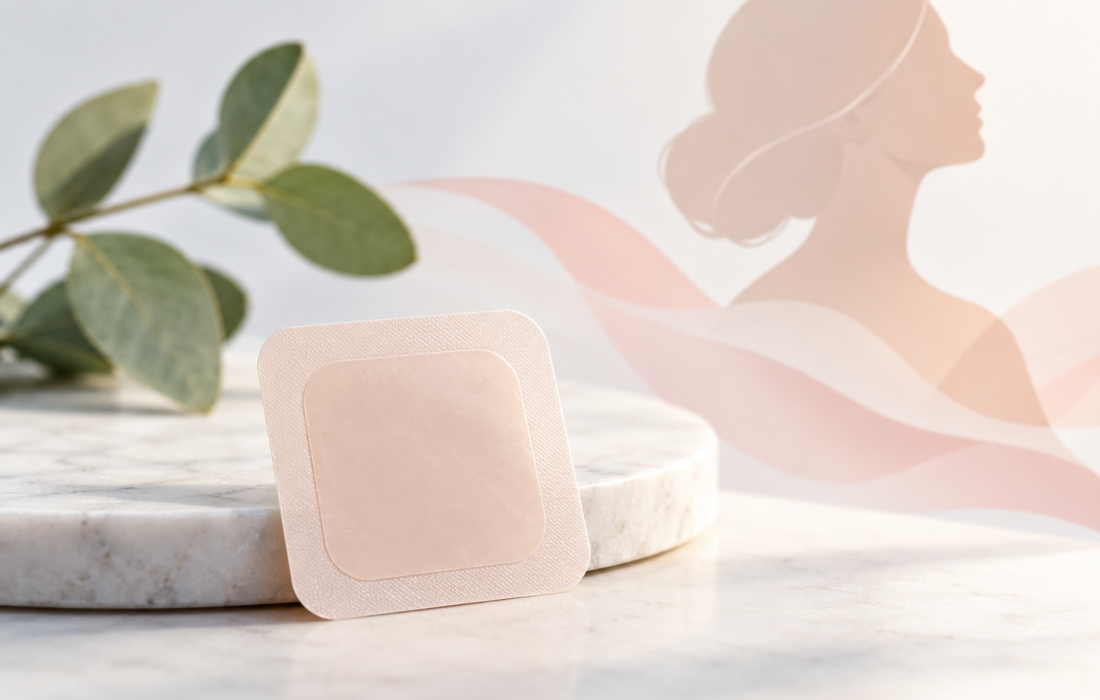
Zydus Pharmaceuticals’ once-weekly estradiol and levonorgestrel patch is approved for menopausal vasomotor symptoms and postmenopausal osteoporosis prevention in women with an intact uterus.
Written By: Siddhi Bhadekar, M. Pharm (QA)
Reviewed By: Pharmacally Editorial Team
The U.S. Food and Drug Administration (FDA) has approved the first generic version of Climara Pro, a once-weekly combination hormone therapy patch containing estradiol and levonorgestrel. Approved on October 20, 2026, the generic product from Zydus Pharmaceuticals (USA) Inc. delivers estradiol 0.045 mg/day and levonorgestrel 0.015 mg/day.
The approval adds a generic option to an established treatment category rather than introducing a new therapeutic approach. The FDA identifies the product as therapeutically equivalent to Climara Pro, a Bayer-registered trademark, and links the decision to its public health priority of increasing access to affordable medicines. Notably, this expansion comes at a critical time when market demand has contributed to broader supply constraints and shortages across estradiol transdermal formulations.
Acting FDA Commissioner Kyle Diamantas, J.D., said the approval could make effective menopause treatment more accessible. However, the agency has not disclosed the generic’s launch date, pricing, or distribution details.
Two Indications for Women with an Intact Uterus
The generic is indicated for two uses in women with an intact uterus: treatment of moderate-to-severe vasomotor symptoms associated with menopause and prevention of postmenopausal osteoporosis.
Vasomotor symptoms include hot flashes and night sweats, which can affect daily functioning and quality of life. Estrogen deficiency after menopause also contributes to bone loss, increasing the risk of osteoporosis.
The product combines estradiol, an estrogen, with levonorgestrel, a progestogen, in a single transdermal system applied once weekly. Unlike estrogen-only patches, the combination includes a progestogen to reduce the risk of endometrial hyperplasia associated with unopposed estrogen exposure in women with a uterus. The formulation therefore addresses an important prescribing consideration in systemic menopausal hormone therapy: women with an intact uterus generally require endometrial protection when receiving systemic estrogen.
Therapeutic Equivalence and Potential Access Benefits
The FDA’s therapeutic equivalence determination supports the generic’s use as an equivalent alternative to the reference product when used according to approved labeling. This finding is the principal regulatory significance of the approval; it does not establish a new clinical benefit over Climara Pro.
Michael Davis, M.D., Ph.D., director of the FDA’s Center for Drug Evaluation and Research, highlighted the practical convenience of once-weekly administration as an alternative to daily oral medication.
The approval also aligns with the FDA’s broader generic-drug policy. The agency states that nine out of ten prescriptions filled in the United States are for generic medicines and that increased competition can help lower treatment costs and expand access.
For patients and prescribers, a second source of this combination patch could provide another purchasing option. Nevertheless, whether it reduces out-of-pocket costs or improves continuity of treatment will depend on commercial availability, pricing, and coverage. Those outcomes cannot yet be established from the approval announcement.
Contraindications and Adverse Reactions
The FDA lists several contraindications for Climara Pro and its generic, including undiagnosed abnormal genital bleeding, current or previous breast cancer, estrogen-dependent neoplasia, active or previous deep vein thrombosis or pulmonary embolism, active or previous arterial thromboembolic disease, hepatic impairment or disease, and certain thrombophilic disorders. Known hypersensitivity to the active ingredients is also a contraindication.
Adverse reactions reported at a frequency of 5% or higher include application-site reactions, vaginal bleeding, breast pain, upper respiratory infection, back pain, depression, pain, headache, and flu syndrome.
The reference product’s prescribing information also carries important warnings concerning cardiovascular disorders, probable dementia, breast cancer, and endometrial cancer. These risks require careful consideration alongside the patient’s medical history and treatment goals. The labeling notes that some risk findings arose from studies of different hormone regimens, so they should not automatically be interpreted as product-specific estimates for this transdermal formulation.
For osteoporosis prevention alone, the reference-product labeling advises considering non-estrogen medications first and reserving estrogen therapy for women at significant risk. Prescribers should consult the applicable current labeling for complete warnings, precautions, and monitoring recommendations.
Clinical Interpretation
The approval is primarily an access and competition development, not a new-evidence milestone. It provides a therapeutically equivalent generic alternative to an established once-weekly combination patch for appropriately selected women with an intact uterus.
The potential value will depend on actual availability and affordability, neither of which the FDA has confirmed. Weekly administration may also suit some patients’ treatment preferences, but the announcement does not demonstrate that the generic improves adherence or clinical outcomes compared with the reference product.
References
U.S. Food and Drug Administration. FDA Approves Once-Weekly Generic Hormone Therapy Patch for Women. October 20, 2026.

About the Writer
Siddhi Rajendra Bhadekar (Linkedin) is an M.Pharm professional with expertise in medical and scientific writing, literature review, publication writing, and evidence synthesis, supported by four peer-reviewed publications.
She brings working knowledge of ICH-GCP, MedDRA, pharmacovigilance, ADR/AE reporting, clinical data management, and regulatory documentation.
With experience across pharmaceutical R&D, Quality Control, and Quality Assurance, she combines scientific research skills with strong attention to accuracy and detail.
Her background in manuscript development, publication planning, and scientific communication enables her to translate complex healthcare information into clear, reliable content.