FDA adds a boxed warning to Injectafer for symptomatic hypophosphatemia and strengthens serum phosphate monitoring recommendations.
Written By: Kirti Kumbhar, M. Pharm (QA)
Reviewed By: Pharmacally Editorial Team
The U.S. Food and Drug Administration has approved labeling changes for ferric carboxymaltose injection, marketed as Injectafer, adding a boxed warning for symptomatic hypophosphatemia. The agency also strengthened recommendations for serum phosphate monitoring, particularly in patients at risk and those receiving a repeat treatment course within three months.
FDA Escalates Safety Warning
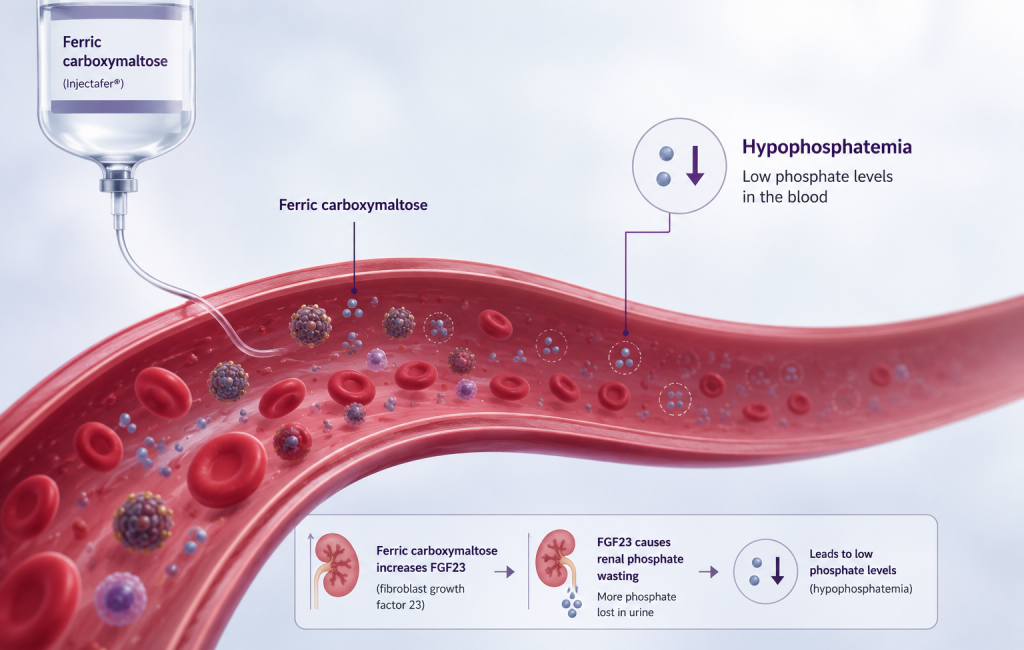
The boxed warning highlights a known but potentially serious adverse effect of intravenous ferric carboxymaltose: clinically significant reductions in blood phosphate levels. Severe or prolonged hypophosphatemia can cause muscle weakness or pain, fatigue, tremors, confusion, seizures, and cardiac arrhythmias. Chronic severe cases can lead to osteomalacia and bone fractures.
Ferric carboxymaltose-associated hypophosphatemia is linked to increased levels of intact fibroblast growth factor 23 (FGF23), a hormone that promotes renal phosphate wasting. This mechanism can drive substantial and prolonged reductions in serum phosphate following treatment.
The FDA had previously addressed this risk through successive labeling changes. In 2020, the agency added a warning after determining in 2019 that ferric carboxymaltose could cause serious symptomatic hypophosphatemia. A 2023 revision added recommendations for serum phosphate monitoring in at-risk patients and those receiving repeat treatment within three months. That update also identified osteomalacia and fractures as potential long-term complications and added inflammatory bowel disease as a possible risk factor. Further risk factors were added in 2025.
The latest action follows an FDA assessment conducted in 2026 using data from the FDA Adverse Event Monitoring System, published literature, and the Sentinel System.
Real-World Reports Show Persistent Risk
The FDA found continued reports of symptomatic hypophosphatemia despite the earlier labeling changes. Cases occurred after both single and multiple ferric carboxymaltose infusions, with some patients requiring hospitalization, prolonged phosphate replacement lasting weeks to months, and extensive follow-up monitoring.
Sentinel data also identified a significant monitoring gap. Serum phosphate testing occurred in fewer than 20% of ferric carboxymaltose administration episodes, indicating that recommended monitoring was not consistently performed.
The FDA concluded that appropriate phosphate monitoring and early treatment can prevent or reduce the severity of this adverse reaction, supporting the decision to elevate the warning to boxed-warning status.
Updated Clinical Recommendations
Healthcare professionals should correct pre-existing hypophosphatemia before administering Injectafer. They should also check serum phosphate before a repeat course in patients at risk for hypophosphatemia or when a repeat course is administered within three months of the previous course.
Patients at risk for chronic hypophosphatemia should undergo serum phosphate monitoring, while identified hypophosphatemia should receive appropriate medical treatment. For severe symptomatic or persistent hypophosphatemia, clinicians should consider permanently discontinuing Injectafer.
Patients should promptly report new or worsening muscle weakness or pain, fatigue, bone or joint pain, and confusion. Because these symptoms can overlap with those of iron deficiency anemia, hypophosphatemia can be difficult to recognize clinically.
Clinical and Regulatory Outlook
Ferric carboxymaltose is an intravenous iron replacement therapy approved for iron deficiency anemia in patients aged 1 year and older who cannot tolerate or do not adequately respond to oral iron. In adults, it is also approved for iron deficiency associated with non-dialysis-dependent chronic kidney disease and for adults with NYHA class II or III heart failure to improve exercise capacity.
The boxed warning does not represent a new safety signal. Instead, it elevates an established risk after continued postmarketing reports and evidence that phosphate testing remains uncommon despite earlier labeling changes.
Generic manufacturers of ferric carboxymaltose injection are expected to update their labeling to incorporate the FDA’s latest safety requirements.
Reference

About the Writer
Kirti Kumbhar (LinkedIn) is an M.Pharm graduate with experience in Quality Assurance at Lupin Limited and a strong interest in clinical research, regulatory affairs, and Trial Master File (TMF) management. She has developed knowledge of regulatory documentation, quality systems, compliance, and healthcare research through her professional experience. Passionate about clinical development and continuous learning, Kirti is committed to supporting high-quality healthcare documentation, regulatory excellence, and research-driven healthcare advancements.