
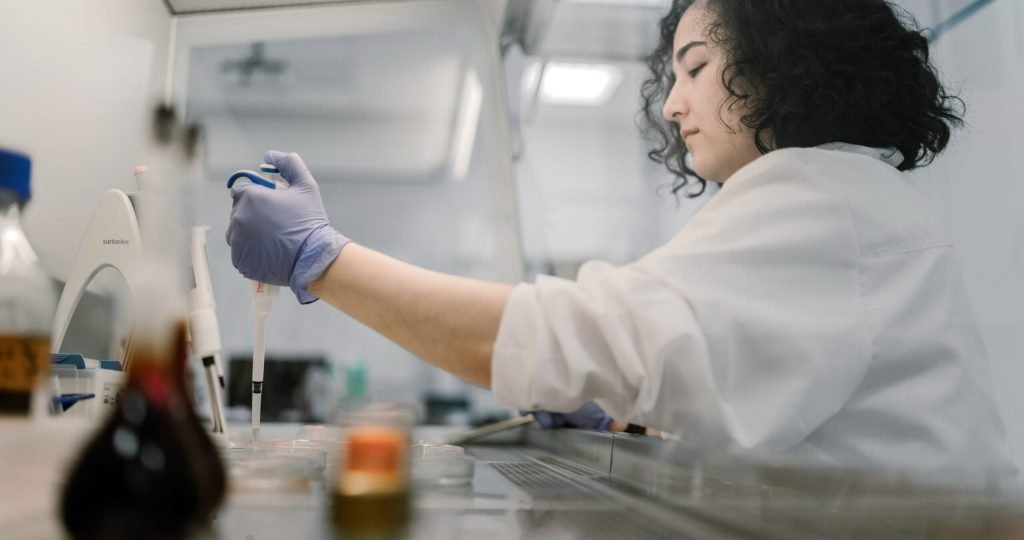
Natera and Kupando Therapeutics are collaborating on a Phase 1 trial of KUP-101 using Latitude to monitor serial ctDNA dynamics and treatment response.
Written By: Rishabh Sonawane, BPharm
Reviewed By: Pharmacally Editorial Team
Natera is collaborating with Kupando Therapeutics to use its Latitude™ tissue-free molecular residual disease (MRD) assay in a Phase 1 clinical trial evaluating KUP-101, an investigational immunotherapy for patients with advanced tumors across multiple skin cancer types. The trial will assess serial circulating tumor DNA (ctDNA) dynamics at multiple timepoints as part of treatment response monitoring.
First Patient Dosed in Phase 1 Trial
The collaboration follows the successful dosing of the first patient with KUP-101. Following the first-patient dosing, Kupando’s safety committee approved continued enrollment across activated clinical sites, including leading oncology centers in Germany.
The Phase 1 trial will use serial Latitude testing to assess ctDNA dynamics during treatment. The molecular measurements are intended to provide insights into treatment response as the clinical development of KUP-101 progresses.
KUP-101 Designed to Activate Innate Immunity
KUP-101 is designed to activate the innate immune system and induce trained immunity. Kupando is developing the investigational therapy as a potential tissue-agnostic treatment across multiple solid tumor types, both as a standalone therapy and in combination with other agents.
The incorporation of Latitude testing into the trial will allow investigators to assess changes in ctDNA over multiple timepoints and evaluate molecular treatment-response dynamics associated with KUP-101.
Latitude to Support Molecular Treatment-Response Monitoring
Natera’s Latitude assay is being used in the trial as a tissue-free MRD testing platform for serial ctDNA assessment. Its incorporation is intended to provide molecular measurements that can complement the clinical evaluation of patients receiving KUP-101.
Johanna Holldack, M.D., founder and chief executive officer of Kupando Therapeutics, described first-patient dosing as an important milestone for the company. She said Latitude could provide insights into treatment-response dynamics and help the company better understand the molecular activity associated with KUP-101.
Eric Matthews, general manager, biopharma, at Natera, said the collaboration is intended to generate molecular insights that can support Kupando’s development of KUP-101 and ultimately help patients with difficult-to-treat cancers.
Investigational Development Remains at Phase 1
KUP-101 remains an investigational therapy in Phase 1 clinical development. The announcement does not report regulatory approval of KUP-101 or approval of Latitude for this specific clinical use.
The trial will generate early clinical and molecular data on KUP-101, including serial ctDNA dynamics during treatment. Additional clinical development and evidence will be needed to determine the therapeutic potential of KUP-101 and the utility of ctDNA monitoring in this setting.
Reference

About the Writer
Rishabha Sonawane, B.Pharm (LinkedIn) is healthcare writer with a strong interest in medical writing, regulatory affairs, clinical research, and AI-driven drug discovery. He has completed specialized training from the NIH and ICMR in clinical pharmacology, clinical research, and scientific writing. Passionate about evidence-based healthcare communication, he focuses on translating complex scientific research into clear, accurate, and engaging medical content.