
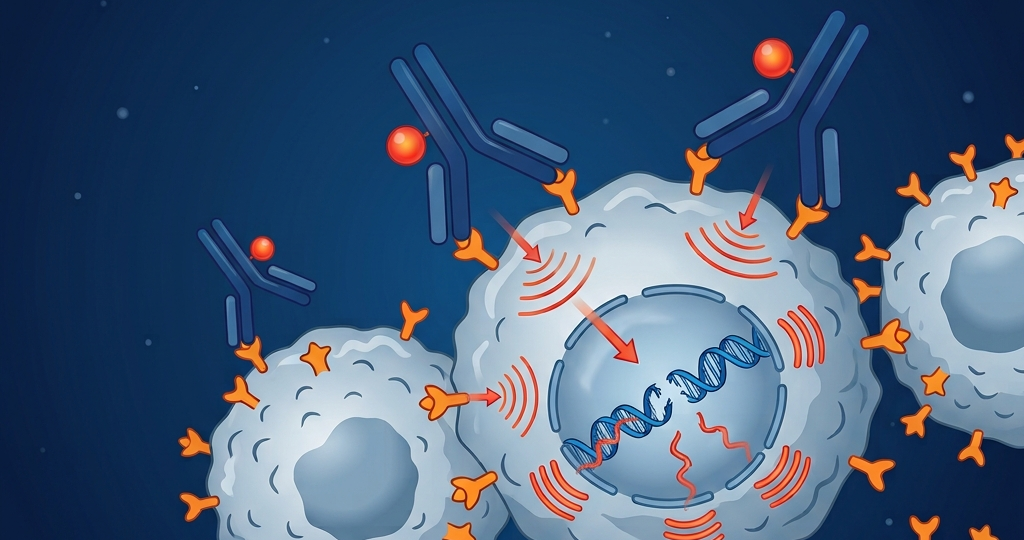
Telix published peer-reviewed Phase 1 ProstACT SELECT results showing 68Ga-PSMA-PET successfully selected patients for TLX591-Tx therapy, with an 8.8-month median rPFS, durable tumor retention, and manageable safety in metastatic castration-resistant prostate cancer.
Written By: Fariha Sameen, PharmD
Reviewed By: Pharmacally Editorial Team
Telix Pharmaceuticals has published the peer-reviewed results of the Phase 1 ProstACT SELECT trial (NCT04786847), providing further evidence that 68Ga-PSMA-PET imaging can effectively identify patients for treatment with TLX591-Tx (lutetium-177 rosopatamab tetraxetan), the company’s lead prostate-specific membrane antigen (PSMA)-targeted radio antibody-drug conjugate (rADC). The study, published in Cancers, also confirmed a favorable biodistribution profile, manageable safety, and preliminary signs of clinical benefit in patients with metastatic castration-resistant prostate cancer (mCRPC).
TLX591-Tx Uses an Antibody-Based Radiotheranostic Approach
TLX591-Tx combines a monoclonal antibody that targets PSMA with the therapeutic radioisotope lutetium-177, delivering radiation directly to PSMA-expressing prostate cancer cells. Unlike currently available small-molecule PSMA radioligand therapies, the antibody-based platform remains in circulation longer, potentially increasing tumor radiation exposure while reducing uptake in organs such as the salivary glands and kidneys.
The ProstACT SELECT study also evaluated whether 68Ga-PSMA-11 PET imaging accurately identified patients whose tumors accumulated TLX591-Tx, supporting a theranostic strategy in which diagnostic imaging guides treatment selection.
Phase 1 Trial Demonstrated Imaging Concordance and Encouraging Clinical Activity
ProstACT SELECT was a multicenter, open-label Phase 1 study that enrolled 30 patients with PSMA-positive mCRPC who had progressed after androgen receptor pathway inhibitor therapy. Patients received TLX591-Tx alongside investigator-selected standard of care.
Serial SPECT/CT imaging demonstrated that radiotracer uptake closely matched baseline 68Ga-PSMA-PET findings, confirming that the diagnostic scan reliably identified treatment-targeted lesions. Tumor-associated radioactivity remained detectable for up to 312 hours (13 days) after administration, supporting prolonged tumor retention.
Among the 16 evaluable patients included in the protocol-defined efficacy analysis:
- Median radiographic progression-free survival (rPFS) reached 8.8 months.
- One patient achieved a partial response.
- Thirteen patients maintained stable disease.
- PSA reductions of at least 30% occurred in 18.8% of evaluable patients, while broader PSA declines were observed in 37.5% of patients.
Although the study was not powered to demonstrate efficacy, the findings provide early evidence of antitumor activity that supports continued clinical development.
Safety Profile Supports Further Clinical Development
No new safety signals emerged during the study. The most common treatment-related adverse events included fatigue, thrombocytopenia, neutropenia, nausea, and anemia. Most non-hematologic adverse events were mild to moderate.
Radiation exposure to the salivary glands remained low, with only transient Grade 1 xerostomia reported in a small proportion of patients. The liver served as the primary clearance organ without clinically meaningful hepatotoxicity despite receiving the highest radiation dose. These findings suggest TLX591-Tx may offer a differentiated safety profile compared with currently available PSMA-targeted radioligand therapies.
Investigators Highlight the Value of PSMA-PET-Guided Patient Selection
Principal investigator Dr. Nat Lenzo said the study clearly demonstrated that PSMA-PET imaging can identify patients suitable for TLX591-Tx therapy because both the imaging agent and therapeutic antibody target the same disease sites. He noted that the results support the ongoing ProstACT Global Phase 3 study in patients with mCRPC, where additional treatment options remain needed.
Telix Group Chief Medical Officer Dr. David N. Cade said the peer-reviewed publication strengthens the scientific rationale for TLX591-Tx by validating the company’s imaging-based patient selection strategy while demonstrating durable tumor targeting, hepatobiliary clearance, and a manageable safety profile.
Phase 3 ProstACT Global Trial Is Underway
TLX591-Tx remains an investigational therapy and has not received marketing authorization in any country. Telix is currently evaluating the therapy in the international Phase 3 ProstACT Global trial (NCT06520345), which will determine whether the encouraging Phase 1 findings translate into improved clinical outcomes for patients with advanced metastatic castration-resistant prostate cancer. The publication also reinforces the role of molecular imaging in precision oncology by supporting PSMA-PET as a companion tool for selecting patients for targeted radiopharmaceutical therapy.
Reference
TLX591-Tx ProstACT SELECT Study Published in Cancers Journal – Telix Pharmaceuticals

About the Writer
Fariha Sameen, PharmD (LinkedIn), is a clinical pharmacy professional with hands-on experience in patient counselling, medication review, therapeutic monitoring, and clinical documentation across multiple departments. She has experience identifying and assessing drug-related problems and supporting medication safety practices. Her interests include pharmacovigilance, ADR reporting, clinical research, and medical writing focused on clear, evidence-based communication.