
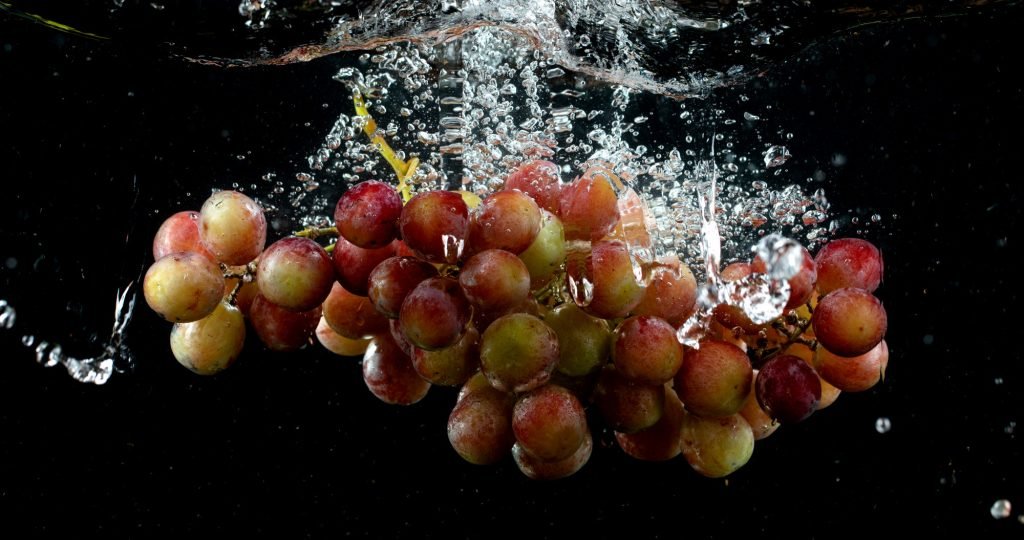
Learn why washing grapes before eating is important. Discover hidden risks like pesticide residues, bacteria, and the safest ways to clean grapes properly
Written By: Vennela Reddy BPharm
Reviewed By: Dr. Gaurav Pathare, BAMS,
Ayurvedacharya, Wellness Coach
Grapes are among the most popular fruits worldwide. Their sweet taste, refreshing texture, and convenience make them an easy snack straight from the bag. However, eating grapes without washing them may expose you to pesticide residues, bacteria, and other contaminants that accumulate during farming, transportation, and storage.
While grapes are highly nutritious and packed with antioxidants, proper washing is essential before consumption to reduce potential health risks.
Why Grapes Are Considered Healthy
Despite the need for washing, grapes provide several important health benefits.
They are rich in antioxidants such as resveratrol, which help neutralize harmful free radicals in the body. Grapes also supply essential nutrients including vitamin C and vitamin K, supporting immune function, blood clotting, and overall cardiovascular health.
Because grapes contain high water content, they also help maintain hydration and provide a refreshing source of natural sugars and plant compounds that contribute to overall wellbeing.
Why Grapes Need Proper Washing
Grapes have thin skins and grow in dense clusters, which makes them more likely to trap residues and microbes.
Pesticide Residues
Grapes are vulnerable to insects and fungal infections during cultivation. Farmers often use insecticides and fungicides to protect the crop.
Because grapes have a large skin surface relative to their size, chemical residues can accumulate on the outer layer. Although regulatory agencies monitor pesticide levels, repeated exposure from multiple foods may still increase long-term chemical intake.
Microbial Contamination
Fresh produce can become contaminated at several points in the supply chain.
Contamination may occur through:
- Irrigation water used during farming
- Handling during harvesting and packaging
- Transportation and storage during the cold chain
- Touching by multiple consumers in grocery displays
Bacteria such as Salmonella and Listeria are occasionally linked to fresh produce contamination.
Natural Wax and Added Coatings
Grapes often have a white, dusty coating called “bloom”
This natural wax helps prevent moisture loss and protects the fruit. It is completely safe. However, the waxy surface can trap dust, microbes, and pesticide residues.
In some cases, exporters also use food-grade coatings or sulfur dioxide pads in packaging to prevent mold during long shipping periods.
Hidden Risks of Eating Unwashed Grapes
Skipping the wash step may expose consumers to several potential risks.
Foodborne Illness
If contaminated grapes are consumed without washing, bacteria may cause symptoms such as:
- Stomach cramps
- Diarrhea
- Vomiting
- Dehydration
Symptoms usually appear within hours to a few days depending on the pathogen.
Chemical Exposure
Long-term consumption of pesticide residues from multiple food sources may contribute to cumulative exposure. Washing fruits and vegetables helps reduce surface residues and lowers overall intake.
Higher Risk Groups
Some individuals are more vulnerable to contamination from unwashed produce:
- Children, due to smaller body size and developing immune systems
- Pregnant women, because certain infections such as listeriosis can affect pregnancy
- Older adults, who may have weaker immune responses
For these groups, proper washing of fresh produce is especially important.
Myths About Grapes and Food Safety
Several common beliefs lead people to skip washing grapes.
Myth 1: Packaged Grapes Are Pre-Washed
Most grapes sold in bags or clamshell containers are not washed before packaging. Washing them before shipment would increase moisture and accelerate mold growth during storage.
Myth 2: Organic Grapes Do Not Need Washing
Organic farming restricts synthetic pesticides, but organic produce can still carry natural pesticides, soil residues, or microbes. Washing is still recommended.
Myth 3: If Grapes Look Clean, They Are Safe
Many contaminants are invisible. Bacteria and chemical residues cannot be detected by appearance alone.
How to Properly Wash Grapes
Food safety authorities recommend washing fresh produce under running water before eating.
Simple Washing Method
- Remove grapes from the packaging.
- Place them in a bowl or colander.
- Rinse under cool running water for 20–30 seconds.
- Gently rub the grapes with your hands to remove residues.
- Drain and dry with a clean cloth or paper towel.
Optional Deep-Cleaning Method
For additional cleaning, grapes can be soaked for several minutes before rinsing.
Method | How It Works |
Baking soda soak | Add 1 teaspoon baking soda to water and soak grapes for 10–15 minutes to help break down certain pesticide residues |
Vinegar solution | Mix 1 part vinegar with 3 parts water; vinegar can help reduce bacteria on the fruit surface |
After soaking, always rinse grapes thoroughly with clean water.
Important Safety Tip
Avoid using soap, detergent, or commercial produce cleaners on grapes. According to food safety authorities, these products may leave chemical residues that are not safe for consumption.
What Authorities Recommend
Major health organizations emphasize washing fruits and vegetables before eating.
Food and Drug Administration (FDA)
Recommends rinsing produce under running water and gently rubbing the surface to remove contaminants.
World Health Organization (WHO)
Includes washing fruits and vegetables as one of its “Five Keys to Safer Food.”
European Food Safety Authority (EFSA)
Reports that washing produce helps reduce exposure to pesticide residues and environmental contaminants.
Final Takeaway
Grapes are nutritious, refreshing, and packed with beneficial plant compounds. However, their thin skin and clustered growth make them prone to collecting pesticide residues and microbes.
The good news is that reducing these risks is simple. A quick rinse under running water, combined with gentle rubbing, can significantly improve food safety.
Taking a few extra seconds to wash grapes before eating helps ensure that this healthy fruit remains both delicious and safe to enjoy.
Reference
Pezzuto JM et al, Unravelling the relationship between grapes and health. J Nutr. 2009 Sep;139(9):1783S-7S. Epub 2009 Jul 22. PMID: 19625701; PMCID: PMC2728694. https://doi.org/10.3945/jn.109.107458
Schusterova D et al, Pesticide Residues and Their Metabolites in Grapes and Wines from Conventional and Organic Farming System. Foods. 2021 Feb 2;10(2):307. PMID: 33540835; PMCID: PMC7913069. https://doi.org/10.3390/foods10020307
CDAM Liviz et al, Pesticide residues in grapes and wine: An overview on detection, health risks, and regulatory challenges, Food Research International, Volume 203, 2025, 115771, https://doi.org/10.1016/j.foodres.2025.115771
7 Tips for Cleaning Fruits, Vegetables, 15 June 2021, https://www.fda.gov/consumers/consumer-updates/7-tips-cleaning-fruits-vegetables
Five keys to safer food manual, WHO, https://www.who.int/publications/i/item/9789241594639
Yang T et al, Effectiveness of Commercial and Homemade Washing Agents in Removing Pesticide Residues on and in Apples. J Agric Food Chem. 2017 Nov 8;65(44):9744-9752. Epub 2017 Oct 25. PMID: 29067814, https://doi.org/10.1021/acs.jafc.7b03118


About Writer
Vennela Reddy, BPharm
She is a pharmacy graduate with a keen interest in clinical research, medical writing specifically in wellness and health, with a growing focus on publishable and scientific content development. In her words, she is passionate about translating complex medical data into clear, evidence-based communication.