
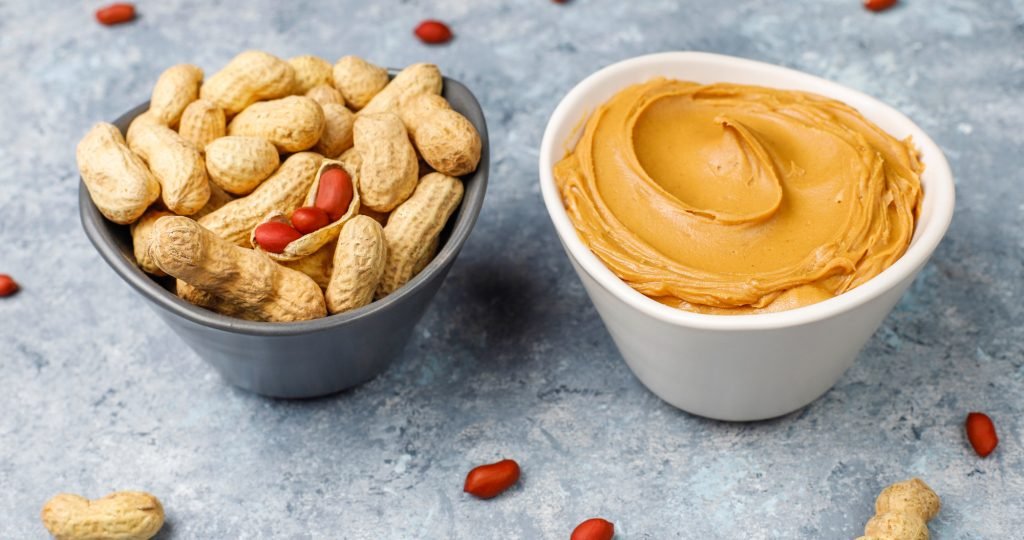
Discover the evidence-based facts on peanut butter’s nutrition, modest heart benefits, unproven diabetes claims, key risks like allergies and aflatoxins, and simple ways to include it safely in your diet—for patients and healthcare pros.
Written By: Vennela Reddy, BPharm
Reviewed By: Dr. Gaurav Pathare, BAMS,
Ayurveda Expert and Wellness Coach
Peanut butter offers a mix of nutrients that many people enjoy, but its health impacts come with both upsides and downsides backed by research. Let me walk you through the facts step by step, so patients and healthcare professionals alike can make informed choices.
What’s in Peanut Butter?
Imagine peanut butter as a spread packed with energy from peanuts ground up. A standard 100-gram serving holds about 597 calories, split into roughly 51% fat (mostly healthy monounsaturated types like oleic acid), 22% protein, and 22% carbs with 5% fiber. It also brings solid amounts of vitamin E (60% daily value), niacin (84%), magnesium (37%), and manganese (65%). In a practical 2-tablespoon (32-gram) scoop, you get around 8 grams of protein handy for snacks or meals.
Heart Health Effects
Studies show that peanuts, including peanut butter, can slightly improve some heart risk factors, but the results differ across studies. A meta-analysis of randomized trials found that eating peanuts lowers triglycerides by a small amount (mean difference: -0.13 mmol/L; 95% CI -0.20 to -0.07; p<0.0001), especially in healthy adults who eat them regularly. In one 6-month trial, skin-roasted peanuts improved cholesterol ratios like total cholesterol to HDL, but peanut butter didn’t show the same improvement this suggests processing makes a difference. Overall, blood pressure changes stay small, though one weight-loss study saw a bit more drop in systolic pressure (-5.33 mmHg) with peanuts compared to controls.
Weight Management Insights
Peanut butter has a lot of calories, which makes people argue about whether it causes weight gain, but studies show a more complicated story. Studies show that adding peanuts doesn’t cause big shifts in body weight, BMI, or body fat, even for people with metabolic syndrome. Still, some at-risk groups saw a small average weight gain of about 1 kg, probably because peanut butter packs 597 calories per 100 grams and it’s easy to eat too much. One study found a peanut-rich diet worked just as well as regular weight-loss plans, so it can fit in if you watch your portions, it’s no miracle fix, but not a problem either.
Blood Sugar and Diabetes
Peanut butter doesn’t show strong effects for managing diabetes or blood sugar levels. Most randomized trials find no meaningful reductions in fasting glucose or insulin from eating peanuts. While some observational studies on nuts suggest a lower diabetes risk, specific evidence for peanut butter lacks solid clinical trial support, so those benefits remain unproven.
Other Claimed Benefits
Claims about peanut butter preventing cancer or helping people live longer don’t hold up well. Large cohort studies show no connection between eating it and lower risks of death from any cause, heart disease, or cancer unlike with other nuts in general. Ongoing trials look into effects on gut health and metabolism, but those results aren’t final yet. Studies make it clear: without strong evidence, we can’t firmly recommend it for these benefits.
Real Risks to Know
Allergies rank as the biggest concern with peanuts. Peanut reactions affect 1.4-2% of people in the US and Europe, with rates rising 3.5-fold in recent years, and they cause most fatal food anaphylaxis cases.
During allergy challenges, the body experiences heart changes like reduced stroke volume and a faster heart rate.
Aflatoxins, which are toxic molds found in peanuts, exceed safe limits in some products (up to 435 μg/kg in areas like Zimbabwe) and raise the risk of liver cancer, though US regulations cap levels at 20 ppb.
Processed peanut butters often add sugars or unhealthy oils, which cut down on the potential benefits.
How to Add It Wisely
Start small 1-2 tablespoons daily of natural peanut butter (90%+ peanuts, no junk additives) works for most without allergies, folded into a balanced diet.
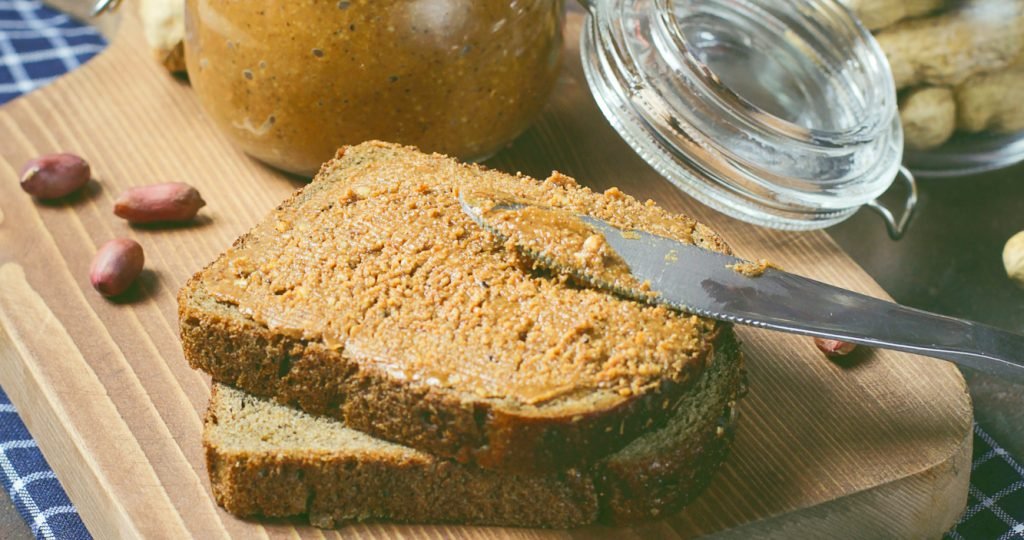
Spread it on whole-grain toast for breakfast, blend into smoothies, or dip with apples for a protein hit that keeps you full.
Healthcare pros, guide patients to track calories and allergy-test first; pair it with veggies or oats for steady energy without overdoing it. Stick to trusted brands to dodge aflatoxins.
Why Eat Peanut Butter?
Even without standout clinical trial support for big health claims, people still choose peanut butter for its real strengths as a convenient, nutrient-dense food that fits everyday eating. It delivers solid protein (about 8 grams per 2-tablespoon serving), healthy monounsaturated fats for sustained energy, and key nutrients like vitamin E, niacin, and magnesium that many diets lack, all in a tasty, versatile form that promotes fullness without needing trial proof. Skip traditional claims lacking evidence; focus instead on these basics if allergies aren’t an issue and you pick natural varieties healthcare pros can recommend it as part of balanced meals, not a cure-all.
References
Arya SS et al, Peanuts as functional food: a review. J Food Sci Technol. 2016 Jan;53(1):31-41. Epub 2015 Sep 19. Erratum in: J Food Sci Technol. 2024 Nov;61(11):2222. PMID: 26787930; PMCID: PMC4711439, https://doi.org/10.1007/s13197-015-2007-9
Peanut butter nutrition: calories, carbs, GI, protein, fiber, fats, https://foodstruct.com/food/peanutbutter-smoothstyle-withoutsalt
Is Peanut Butter Good or Bad for Your Health?, https://www.healthline.com/nutrition/is-peanut-butter-bad-for-you
Parilli-Moser I et al, Effect of Peanut Consumption on Cardiovascular Risk Factors: A Randomized Clinical Trial and Meta-Analysis. Front Nutr. 2022 Apr 1;9:853378. PMID: 35433776; PMCID: PMC9011914, https://doi.org/10.3389/fnut.2022.853378
Petersen KS et al, The Effect of a Peanut-Enriched Weight Loss Diet Compared to a Low-Fat Weight Loss Diet on Body Weight, Blood Pressure, and Glycemic Control: A Randomized Controlled Trial. Nutrients. 2022 Jul 21;14(14):2986. PMID: 35889947; PMCID: PMC9318508, https://doi.org/10.3390/nu14142986
Wien M, Oda K, Sabaté J. A randomized controlled trial to evaluate the effect of incorporating peanuts into an American Diabetes Association meal plan on the nutrient profile of the total diet and cardiometabolic parameters of adults with type 2 diabetes. Nutr J. 2014 Jan 22;13:10. PMID: 24450471; PMCID: PMC3902416, https://doi.org/10.1186/1475-2891-13-10
Jiang R, Manson JE, Stampfer MJ, Liu S, Willett WC, Hu FB. Nut and peanut butter consumption and risk of type 2 diabetes in women. JAMA. 2002 Nov 27;288(20):2554-60. PMID: 12444862. https://doi.org/10.1001/jama.288.20.2554
Hashemian M, Murphy G, Etemadi A, Dawsey SM, Liao LM, Abnet CC. Nut and peanut butter consumption and the risk of esophageal and gastric cancer subtypes. Am J Clin Nutr. 2017 Sep;106(3):858-864. Epub 2017 Aug 2. PMID: 28768652; PMCID: PMC5573026, https://doi.org/10.3945/ajcn.117.159467
Piet A van den Brandt, Leo J Schouten, Relationship of tree nut, peanut and peanut butter intake with total and cause-specific mortality: a cohort study and meta-analysis, International Journal of Epidemiology, Volume 44, Issue 3, June 2015, Pages 1038–1049, https://doi.org/10.1093/ije/dyv039
Amba V et al, Nut and Peanut Butter Consumption and Mortality in the National Institutes of Health-AARP Diet and Health Study. Nutrients. 2019 Jul 2;11(7):1508. PMID: 31269682; PMCID: PMC6682967, https://doi.org/10.3390/nu11071508
Effect of Peanut Butter on Gut and Metabolic Health, ClinicalTrials.gov ID NCT06916936, https://clinicaltrials.gov/study/NCT06916936
Lange L et al, White paper on peanut allergy – part 1: Epidemiology, burden of disease, health economic aspects. Allergo J Int. 2021;30(8):261-269. Epub 2021 Sep 28. PMID: 34603938; PMCID: PMC8477625, https://doi.org/10.1007/s40629-021-00189-z
Ruiz-Garcia M, Cardiovascular changes during peanut-induced allergic reactions in human subjects. J Allergy Clin Immunol. 2021 Feb;147(2):633-642. Epub 2020 Jul 21. PMID: 32707226; PMCID: PMC7858218, https://doi.org/10.1016/j.jaci.2020.06.033
Masaka VP et al, Prevalence of Aflatoxin Contamination in Peanuts and Peanut Butter from an Informal Market, Harare, Zimbabwe. Int J Food Sci. 2022 Sep 13;2022:3761078. PMID: 36147881; PMCID: PMC9489356, https://doi.org/10.1155/2022/3761078
Aflatoxins in Peanut Butter: Safe to Eat or Not, 11 Feb 2025, https://www.nahf.org/article/aflatoxins-peanut-butter