
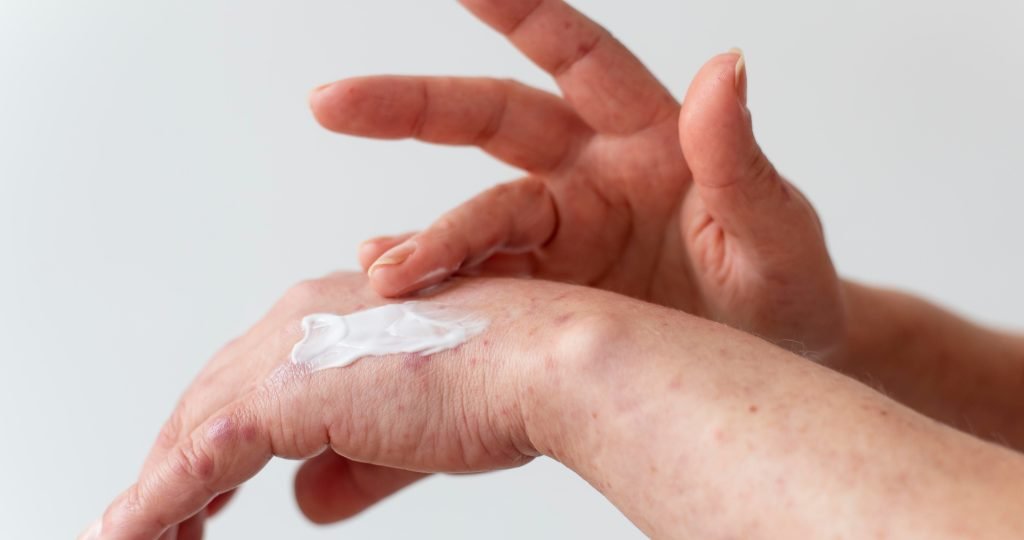
Palvella Therapeutics announces positive Phase 3 SELVA trial results for QTORIN™ 3.9% rapamycin gel, meeting primary endpoint (p<0.001) in microcystic lymphatic malformations. NDA planned H2 2026; first potential FDA-approved therapy for this rare skin disease affecting 30,000+ U.S. patients
Written By: Pharmacally Medical News Desk
Palvella Therapeutics has announced positive topline results from its Phase 3 SELVA study of QTORIN™ 3.9% rapamycin anhydrous gel for microcystic lymphatic malformations (microcystic LMs), a rare skin disease with no FDA-approved therapies. The trial met its primary endpoint and multiple secondary measures with high statistical significance.
Wes Kaupinen, Founder and Chief Executive Officer of Palvella Therapeutics said the positive topline results are a milestone for Palvella and over 30,000 U.S. patients with this serious rare disease lacking approved therapies, supporting QTORIN™ rapamycin as the first potential FDA approval via H2 2026 NDA. The data validates the QTORIN™ platform and Palvella’s goal to lead in rare skin diseases and vascular malformations.
Study Design
SELVA was a Phase 3 (NCT06239480), single-arm, baseline-controlled trial evaluating once-daily topical QTORIN™ rapamycin in patients aged ≥3 years with microcystic LMs. It enrolled 51 participants, with 50 initiating treatments (49, aged ≥6 years and 1 aged 3-5 years); efficacy focused on the intent-to-treat population aged ≥6 years (n=49). The trial exceeded its enrolment target at leading U.S. vascular anomaly centers and assessed outcomes at Week 24.
Key Efficacy Results
The primary endpoint, Microcystic Lymphatic Malformation Investigator Global Assessment (mLM-IGA), showed a mean improvement of +2.13 points (p<0.001) on a 7-point dynamic scale.
Among completers aged ≥6 years, 95% (41/43) improved by ≥1 point, and 86% (37/43) were “Much Improved” (+2) or “Very Much Improved” (+3).
All secondary endpoints also achieved significance (all p<0.001), including the key secondary blinded mLM Multi-Component Static Scale (mean change -3.36).
Safety Profile
QTORIN™ rapamycin was well-tolerated, with 70% of participants (35/50) reporting treatment-emergent adverse events, mostly mild/moderate. Treatment-related events occurred in 17 patients (34%), commonly application-site acne, discoloration, or pruritus (each n=3, 6%). No severe drug-related serious events occurred; systemic rapamycin levels stayed below 2 ng/mL. Retention was 88% through Week 24, with 98% (43/44) entering the extension phase.
Joyce M. Teng, SELVA Principal Investigator said microcystic LMs cause leakage, infections, functional issues, and quality-of-life impacts; current options like surgery or laser are painful, recurrent, and repeated. QTORIN™ rapamycin shows strong potential as the first FDA-approved treatment for children and adults.
Next Steps
Palvella plans an NDA submission to the FDA in H2 2026, targeting approval in H1 2027 as the first therapy for microcystic LMs affecting ~30,000 U.S. patients. QTORIN™ has FDA Breakthrough Therapy, Orphan Drug, and Fast Track designations, plus an Orphan Products grant. The company advances it in other mTOR-driven diseases like cutaneous venous malformations and angiokeratomas. Detailed results will appear at upcoming medical meetings.
Reference
Palvella Therapeutics Announces Positive Topline Results from Phase 3 SELVA Clinical Study of QTORIN™ 3.9% Rapamycin Anhydrous Gel (QTORIN™ rapamycin) in Microcystic Lymphatic Malformations, 24 February 2026, https://ir.palvellatx.com/news-releases/news-release-details/palvella-therapeutics-announces-positive-topline-results-phase-3
SELVA: A Phase 3 Study Evaluating QTORIN 3.9% Rapamycin Anhydrous Gel in the Treatment of Microcystic Lymphatic Malformations (SELVA), ClinicalTrials.gov ID NCT06239480, https://clinicaltrials.gov/study/NCT06239480