
FDA updates food color policy, easing “no artificial colors” claims and approving new natural color options including beetroot red and expanded spirulina extract use.
Written By: Pharmacally Medical News Desk
On February 5, 2026, the U.S. Food and Drug Administration updated how it handles food color labeling and expanded the number of approved natural color additives. These changes are part of a broader effort to reduce reliance on artificial petroleum-based food dyes and encourage the use of ingredients sourced from plants and other natural materials.
At its core, the FDA’s announcement makes two significant changes: it loosens the rules around the “no artificial colors” label, and it approves new natural color options specifically beetroot red and expanded uses of spirulina extract. Together these moves give food manufacturers more flexibility in product labeling and more natural tools to replace synthetic dyes.
What Changed About “No Artificial Colors” Claims
Previously, companies in the U.S. could only use the claim “no artificial colors” on food labels if a product contained no added color at all, whether synthetic or natural. That meant even naturally derived colorants like plant extracts could prevent a food from carrying the label.
Under the new approach, companies may use that claim as long as the product does not contain petroleum-based synthetic color additives, even if it does include natural dyes. The FDA is signalling that it will exercise enforcement discretion meaning it won’t take action against voluntary labeling claims that meet this new standard.
FDA Commissioner Marty Makary said this change is designed to remove a barrier that may have discouraged manufacturers from switching to natural alternatives, and to reduce consumer confusion over how colors are described on packaging.
New and Expanded Natural Color Options
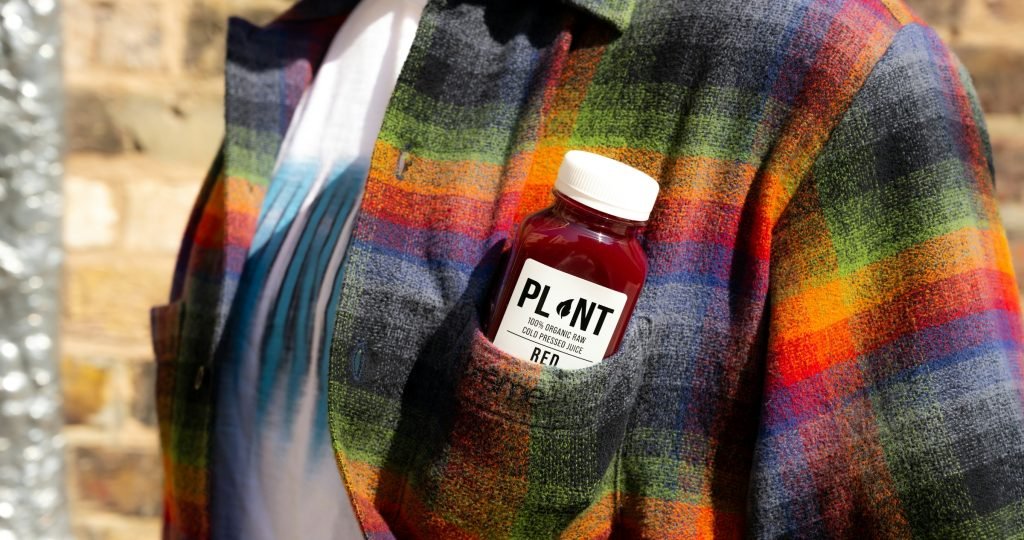
Alongside the labeling shift, the FDA approved beetroot red as a new natural food color additive and expanded the permitted uses of spirulina extract, which was already authorized. Both colors come from natural sources beets for red pigments and spirulina algae for blue-green shades and can now be used in a wider range of foods.
These actions respond to petitions submitted by industry stakeholders and contribute to a growing palette of natural colorants that food makers can choose from as they reformulate products away from petroleum-based dyes. They bring the total number of newly authorized natural color options under the current regulatory push to six.
FDA Signals Support for Phasing Out Petroleum-Based Dyes
Artificial food colors derived from petroleum have been widely used in processed foods for decades, but they have faced scrutiny from health advocates and some researchers. Some studies and consumer groups have raised concerns about potential health effects, particularly in children, although evidence varies and regulatory bodies worldwide continue to evaluate safety data.
By making the “no artificial colors” claim easier to use for products with naturally sourced dyes and expanding the range of approved natural colors, the FDA is directly supporting industry efforts to reduce synthetic additives. Major food companies have already pledged voluntary moves toward natural colorants in many product lines, and this regulatory shift may accelerate that trend.
Still, some consumer advocates caution that the term “natural” does not automatically guarantee a health benefit, and that clear labeling and education will be important as the transition unfolds.
Future Implementation of FDA’s Updated Color Framework
The latest steps build on earlier FDA and Department of Health and Human Services efforts to phase out petroleum-based synthetic dyes in the U.S. food supply. As part of that broader initiative, the agency has already reviewed existing color additives and encouraged industry to explore alternatives.
The expanded use of natural colorants and more flexible labeling are likely to affect a wide range of products, from snacks and beverages to dairy and confections.
References
FDA Takes New Approach to “No Artificial Colors” Claims, 05 February 2026, https://www.fda.gov/news-events/press-announcements/fda-takes-new-approach-no-artificial-colors-claims
Letter to the Food Industry on “No Artificial Colors” Labeling Claims, 05 February 2026, https://www.fda.gov/food/food-chemical-safety/letter-food-industry-no-artificial-colors-labeling-claims
Listing of Color Additives Exempt from Certification: Beetroot Red, (To be published on 06 February 2026) https://www.federalregister.gov/public-inspection/2026-02313/listing-of-color-additives-exempt-from-certification-beetroot-red
Listing of Color Additives Exempt from Certification: Spirulina Extract, (To be published on 06 February 2026) https://www.federalregister.gov/public-inspection/2026-02314/listing-of-color-additives-exempt-from-certification-spirulina-extract
HHS, FDA to Phase Out Petroleum-Based Synthetic Dyes in Nation’s Food Supply, 22 April 2025, https://www.fda.gov/news-events/press-announcements/hhs-fda-phase-out-petroleum-based-synthetic-dyes-nations-food-supply
de Oliveira ZB et al, Synthetic Colors in Food: A Warning for Children’s Health. Int J Environ Res Public Health. 2024 May 27;21(6):682. PMID: 38928929; PMCID: PMC11203549. https://doi.org/10.3390/ijerph21060682
Tracking Food Industry Pledges to Remove Petroleum Based Food Dyes, 02 February 2026, https://www.fda.gov/food/color-additives-information-consumers/tracking-food-industry-pledges-remove-petroleum-based-food-dyes