
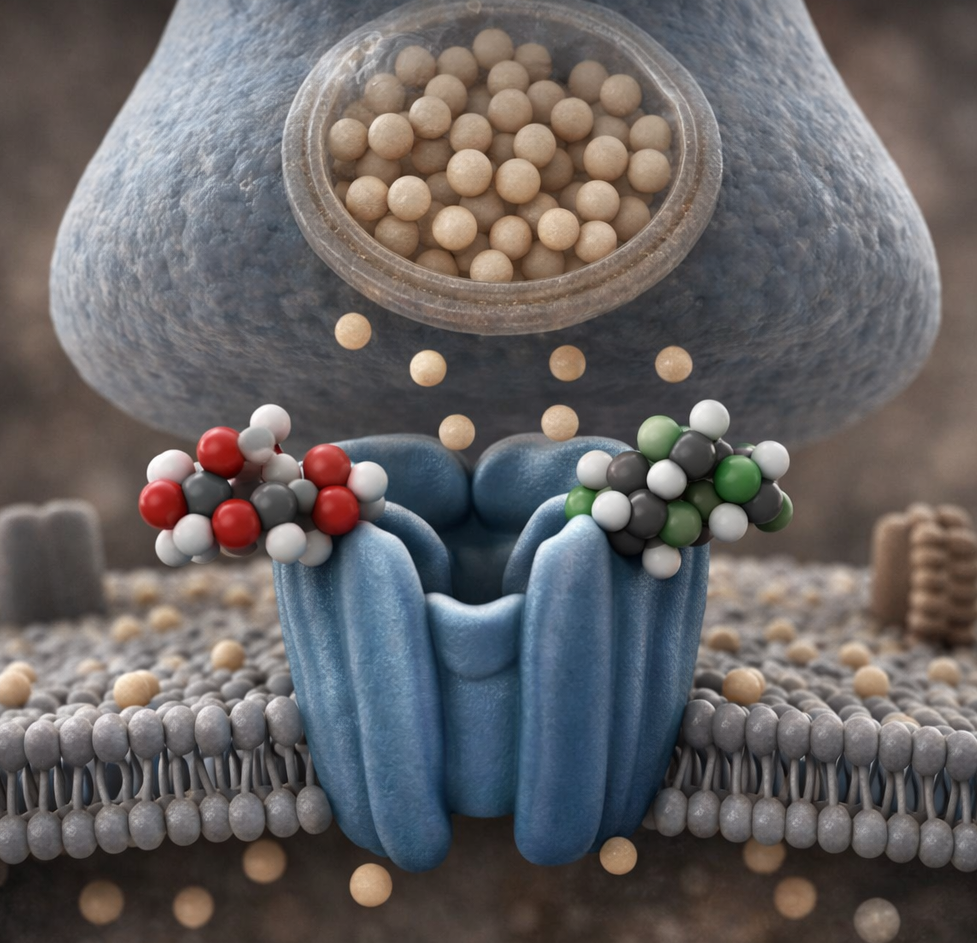
Neurocrine Biosciences reports first head-to-head PET imaging data showing INGREZZA achieved nearly double VMAT2 target occupancy compared with AUSTEDO XR, providing new pharmacologic insights for treatment of tardive dyskinesia and Huntington’s disease chorea.
Written By: Pharmacally Medical News Desk
Neurocrine Biosciences today released new head-to-head data showing that INGREZZA (valbenazine) capsules achieve substantially higher vesicular monoamine transporter 2 (VMAT2) target occupancy than AUSTEDO XR (deutetrabenazine) at clinically relevant doses. These findings were presented at the 64th Annual Meeting of the American College of Neuropsychopharmacology in the Bahamas on January 12–15, 2026.
Study Results
VMAT2 is a transporter protein that helps package monoamine neurotransmitters like dopamine into synaptic vesicles. Inhibition of VMAT2 reduces excess dopamine signaling, which is linked to involuntary movement disorders such as tardive dyskinesia and Huntington’s disease chorea. VMAT2 target occupancy is an important indicator of how effectively a drug engages its target in the brain.
In the PET imaging study, participants received single doses of either INGREZZA (40 mg or 80 mg) or AUSTEDO XR (24 mg or 48 mg). Neurocrine reported least squares mean VMAT2 occupancy of approximately 76.5 % for INGREZZA compared with about 38.3 % for AUSTEDO XR at therapeutic exposures. Modelling of steady-state conditions suggested INGREZZA could achieve about 83 % occupancy at 40 mg and 92 % at 80 mg, while AUSTEDO XR was estimated at 54 % at 24 mg and 70 % at 48 mg.
Both medications were generally well tolerated in this comparative imaging study, and safety findings aligned with their known profiles.
Currently Approved Uses of INGREZZA and AUSTEDO XR
INGREZZA (valbenazine) and AUSTEDO XR (deutetrabenazine extended-release) are both approved VMAT2 inhibitors used to treat involuntary movement disorders in adults. Specifically, INGREZZA is approved in the United States for the treatment of adults with tardive dyskinesia and for chorea associated with Huntington’s disease. AUSTEDO XR carries the same indications: treatment of chorea associated with Huntington’s disease and treatment of tardive dyskinesia in adults. These approvals reflect their roles in reducing excessive involuntary movements that can occur in these conditions. Both drugs include boxed warnings for increased risk of depression and suicidal thoughts, particularly in patients with Huntington’s disease.
Mechanistic Insights and Clinical Context
INGREZZA’s higher VMAT2 engagement may be due to its metabolism primarily to a single high-affinity active metabolite. In contrast, AUSTEDO XR generates multiple metabolites with varied affinities for VMAT2. Neurocrine’s chief medical officer highlighted that greater target engagement observed with INGREZZA could underlie the robust clinical efficacy seen in trials across both tardive dyskinesia and Huntington’s chorea populations.
Movement disorders like these stems from dysregulated dopaminergic transmission, and modulation of VMAT2 offers a validated strategy for symptom relief. INGREZZA was first approved in 2017 as the first FDA-approved therapy for adults with tardive dyskinesia, and later received expanded indications including chorea associated with Huntington’s disease.
Implications and Future Directions
These head-to-head occupancy data add a pharmacologic dimension to comparative understanding of VMAT2 inhibitors. While clinical outcome comparisons are still needed, higher target engagement might suggest differential effects on symptom control or onset of benefit. Continued research and real-world evidence will help clarify how these differences translate to patient care.
References
Neurocrine Biosciences Presents Head-to-Head INGREZZA® (valbenazine) Capsules Data Demonstrating Higher VMAT2 Target Occupancy Compared to AUSTEDO XR, 15 January 2026, https://neurocrine.gcs-web.com/node/22616/pdf