
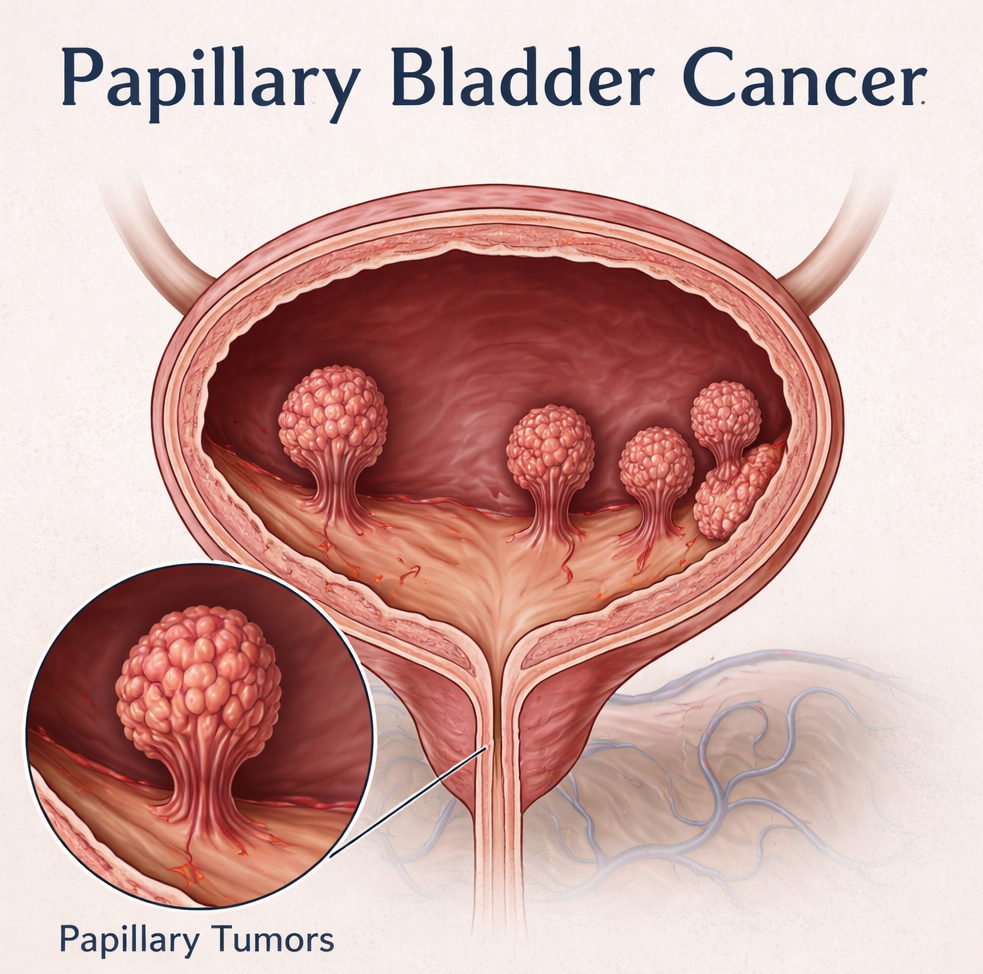
ImmunityBio advances ANKTIVA® sBLA for BCG-unresponsive papillary NMIBC after positive FDA Type B meeting. Long-term QUILT-3.032 data shows 96% 3-year survival, 82% cystectomy avoidance. Submission imminent; first bladder-sparing immunotherapy option
Written By: Pharmacally Medical News Desk
ImmunityBio, Inc. has taken an important step toward expanding the use of its IL-15–based immunotherapy ANKTIVA® in bladder cancer. The company recently completed a Type B End-of-Phase meeting with the U.S. Food and Drug Administration to discuss its supplemental Biologics License Application (sBLA) for ANKTIVA® (nogapendekin alfa inbakicept) in combination with BCG for patients with BCG-unresponsive non-muscle invasive bladder cancer (NMIBC) with papillary tumors.
The meeting focused on long-term clinical data from ImmunityBio’s papillary disease program and helped define a clear regulatory path forward. Based on these discussions, the FDA requested additional supporting information to aid its review of the sBLA that was originally submitted in 2025. ImmunityBio has already compiled the requested materials and plans to submit them within the next 30 days. Importantly, the FDA did not recommend initiating a new clinical trial.
Strong Long-Term Outcomes in a High-Risk Population
During the meeting, ImmunityBio presented more than five years of follow-up data demonstrating durable clinical benefit in patients with BCG-unresponsive papillary NMIBC, a population with very limited treatment options beyond radical cystectomy. Key outcomes included disease-specific survival of approximately 96% at 36 months, with median survival not yet reached even after five years of follow-up.
Bladder preservation emerged as a major clinical advantage. Cystectomy avoidance rates were 92% at one year and 82% at three years, indicating that most patients were able to avoid bladder removal surgery. The safety profile of ANKTIVA plus BCG was consistent with that seen in its currently approved indication for carcinoma in situ (CIS), with or without papillary disease.
Several leading urologists also participated in the FDA meeting, sharing real-world treatment perspectives and highlighting the urgent need for bladder-sparing options in BCG-unresponsive disease, where radical cystectomy often remains the only alternative.
QUILT-3.032 Trial Data Support Papillary Indication
The proposed papillary indication is supported by results from the Phase 2/3 QUILT-3.032 trial (NCT03022825) (Cohort B), which enrolled 80 patients with high-grade, papillary-only BCG-unresponsive NMIBC. As published in The Journal of Urology in 2025, the study met its primary endpoint with a 12-month disease-free survival rate of 58.2%.
Long-term follow-up showed durable disease control, with progression-free survival of nearly 95% at 12 months and over 83% at 36 months. Disease-specific survival reached 96% at three years, while more than 80% of patients remained cystectomy-free at 36 months. These outcomes suggest that ANKTIVA plus BCG can effectively prevent progression to muscle-invasive disease while preserving the bladder in a majority of patients.
Regulatory Momentum and Global Status
ANKTIVA in combination with BCG already has regulatory approvals for NMIBC with CIS in several regions. In the U.S., the FDA approved the therapy in April 2024 for patients with CIS with or without papillary tumors. The treatment is also approved in the United Kingdom, has received a positive opinion for conditional marketing authorization in the European Union, and was most recently approved by Saudi Arabia’s SFDA in January 2026.
ImmunityBio is continuing discussions with regulators, including the European Medicines Agency, to potentially extend the label to papillary-only disease, pending U.S. approval.
Addressing a Major Unmet Need
BCG-unresponsive high-grade papillary NMIBC remains a serious and underserved condition. No targeted or immunotherapy options are currently approved for these patients, leaving radical cystectomy as the standard of care despite its significant impact on quality of life. If approved, ANKTIVA would become the first immunotherapy option for this indication, offering a bladder-sparing, chemo-free alternative with curative intent.
How ANKTIVA Works
ANKTIVA® is a first-in-class interleukin-15 (IL-15) agonist IgG1 fusion complex designed to enhance both innate and adaptive immunity. By activating natural killer cells and CD8+ killer T cells, the therapy helps overcome tumor immune escape and restores long-term immune memory against bladder cancer cells. This mechanism underpins the durable responses observed in clinical studies and supports its potential role as a transformative therapy in NMIBC.
References
ImmunityBio Advances Regulatory Discussions with FDA on Potential Resubmission Path for ANKTIVA® in BCG-Unresponsive Papillary Bladder Cancer, 20 January 2026, https://immunitybio.com/immunitybio-advances-regulatory-discussions-with-fda-on-potential-resubmission-path-for-anktiva-in-bcg-unresponsive-papillary-bladder-cancer/
Chang SS, Chamie K, Kramolowsky E, Gonzalgo ML, Agarwal PK, Bassett JC, et al. Prolonged Progression-Free Survival, Disease-Free Survival, and Cystectomy Avoidance With IL-15 Receptor Lymphocyte–Stimulating Agent NAI Plus Bacillus Calmette-Guérin in Bacillus Calmette-Guérin–Unresponsive Papillary-Only Nonmuscle-Invasive Bladder Cancer. Journal of Urology [Internet]. 2026 Jan 1 [cited 2026 Jan 21];215(1):44–56. Available from: https://doi.org/10.1097/JU.0000000000004782
QUILT-3.032: A Multicenter Clinical Trial of Intravesical Bacillus Calmette-Guerin (BCG) in Combination With ALT-803 (N-803) in Patients with BCG Unresponsive High Grade Non-Muscle Invasive Bladder Cancer, ClinicalTrials.gov ID NCT03022825, https://clinicaltrials.gov/study/NCT03022825