
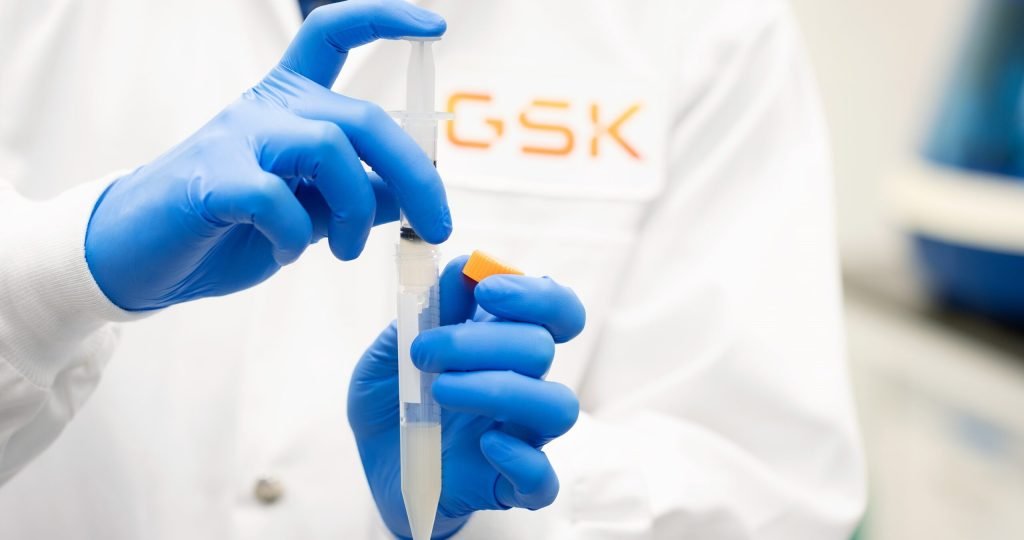
GSK’s B7-H3 antibody-drug conjugate risvutatug rezetecan (Ris-Rez) receives Orphan Drug Designation in Japan for small-cell lung cancer, supported by ARTEMIS-001 clinical trial data.
Written By: Vennela Reddy,Bpharm
Reviewed By: Pharmacally Editorial Team
GSK plc announced that risvutatug rezetecan (Ris-Rez) has received Orphan Drug Designation (ODD) from Japan’s Ministry of Health, Labour and Welfare (MHLW) for the treatment of small-cell lung cancer (SCLC). The designation is supported by preliminary clinical findings from the phase I ARTEMIS-001 trial (NCT05276609), which showed durable responses in patients with extensive-stage SCLC (ES-SCLC) treated with the investigational therapy. The decision marks the sixth regulatory designation granted to Ris-Rez globally.
Lung cancer is the second most common cancer in Japan, and SCLC accounts for 10–15% of cases. Around 70% of patients are diagnosed with extensive-stage disease, meaning the cancer has spread within the lungs or to other parts of the body. ES-SCLC remains an aggressive cancer with limited treatment options, and most patients relapse after initial therapy. Median overall survival with current standard treatments is approximately eight months. Although SCLC represents a smaller share of lung cancer cases in Japan, it still constitutes a high-unmet-need population, supporting the rationale for orphan drug designation.
Investigational therapy and mechanism
Ris-Rez is an investigational B7-H3-targeted antibody-drug conjugate (ADC) composed of a fully human antibody linked to a topoisomerase inhibitor chemotherapy payload. The antibody binds to B7-H3, a protein commonly found at high levels on many cancer cells. After binding, the drug is taken into the cancer cell where it releases the chemotherapy payload, which damages the cell and leads to its death.
GSK obtained exclusive global rights to develop and commercialize Ris-Rez from Hansoh Pharma, excluding mainland China, Hong Kong, Macau, and Taiwan.
Clinical development
Ris-Rez is currently being studied across several solid tumors, including lung, prostate, and colorectal cancers, with additional indications under exploration. GSK initiated a global phase III trial (NCT07099898) in August 2025 to evaluate the therapy in patients with relapsed extensive-stage SCLC.
Regulatory progress
The Japanese orphan designation adds to a growing list of regulatory recognitions for the program. Earlier, in August 2024, the US Food and Drug Administration granted Breakthrough Therapy Designation to risvutatug rezetecan for relapsed or refractory ES-SCLC, supported by data from the ARTEMIS-001 trial.
Ris-Rez has also received Orphan Drug Designation from the US FDA for SCLC and from the European Medicines Agency (EMA) for pulmonary neuroendocrine carcinoma, a category that includes SCLC. In addition, the therapy holds PRIME designation from the EMA for relapsed or refractory ES-SCLC and another Breakthrough Therapy Designation from the US FDA for relapsed or refractory osteosarcoma.
These regulatory designations aim to support accelerated development and review of the investigational therapy for cancers with significant unmet medical need.
Reference
GSK’s B7-H3-targeted antibody-drug conjugate, risvutatug rezetecan, granted Orphan Drug Designation for small-cell lung cancer in Japan, 23 March 2026, GSK’s B7-H3-targeted antibody-drug conjugate, risvutatug rezetecan, granted Orphan Drug Designation for small-cell lung cancer in Japan | GSK
ARTEMIS-001: Phase 1 Study of the HS-20093 in Patients With Advanced Solid Tumors, ClinicalTrials.gov ID NCT05276609, https://clinicaltrials.gov/study/NCT05276609


About the Writer
Vennela Reddy, B.Pharm is a pharmacy graduate with a keen interest in clinical research, pharmacovigilance, and medical writing, with a growing focus on publishable and scientific content development. Along with this she also interested in wellness and healthcare writing due to her natural interest in those topics. In her words, she is passionate about translating complex medical data into clear, evidence-based communication.