
Written By: Pharmacally Medical News Desk
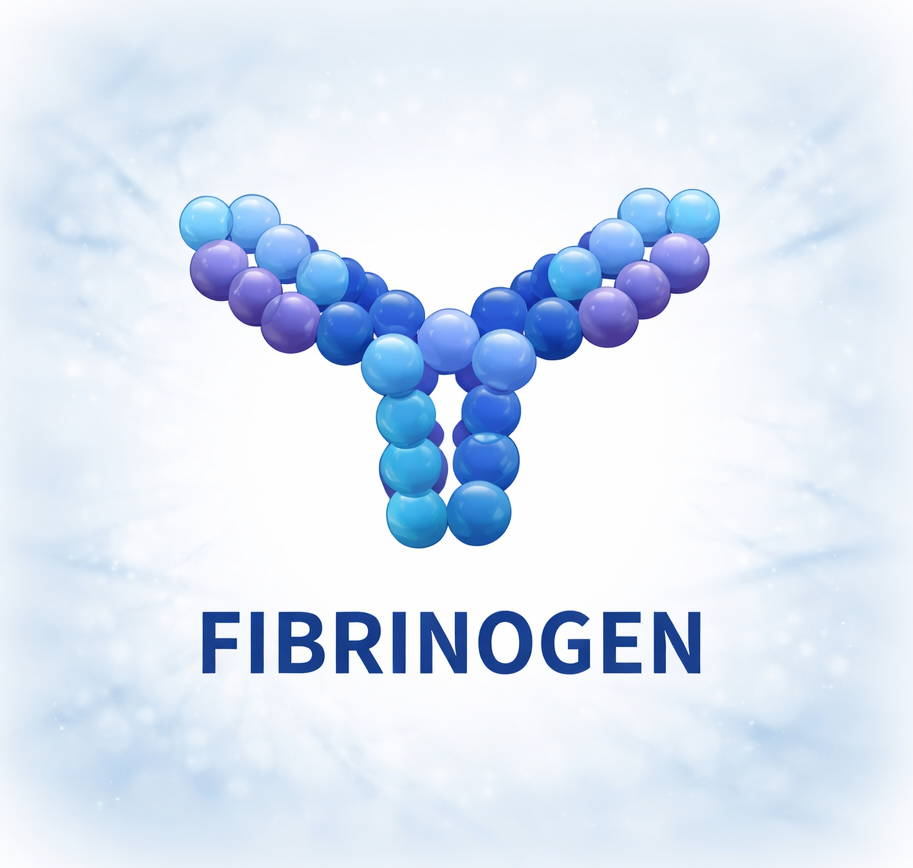
The U.S. FDA has approved FESILTY (fibrinogen, human-chmt) for the treatment of acute bleeding episodes in adults and children with congenital fibrinogen deficiency (CFD), including hypo- or afibrinogenemia. Fibrinogen is a plasma protein produced in the liver that converts to fibrin during clot formation. In CFD, genetic mutations reduce or impair fibrinogen production, leading to prolonged or uncontrolled bleeding during procedures, trauma, or spontaneous events.
Historically, treatment relied on fresh frozen plasma or cryoprecipitate. While effective, both contain additional proteins and often require larger infusion volumes. Fibrinogen concentrates aim to replace only the missing clotting factor in a controlled and predictable way.
What is FESILTY?
FESILTY is a purified fibrinogen concentrate designed for rapid restoration of fibrinogen levels during acute bleeding. Each vial delivers a defined amount of fibrinogen, allowing more precise dosing and faster response in emergency settings.
Developed by Biotest and produced at the Biotest Next Level manufacturing facility in Germany, FESILTY will be commercialized in the United States by Grifols, with availability anticipated in the first half of 2026.
Germany was the first market to approve the product under the brand name Prufibry, followed by the United States, with broader European approvals expected to follow.
The development journey
The FDA approval is supported by a prospective, open-label Phase I/III study (NCT02065882) that enrolled patients with congenital fibrinogen deficiency. The trial evaluated FESILTY for both treatment of active bleeding and prophylaxis, assessing pharmacokinetics, efficacy, and safety.
Across the study, FESILTY produced rapid and predictable restoration of fibrinogen levels, translating into strong clinical bleeding control.
The primary efficacy endpoint, Overall Hemostatic Response (OHR), was rated on a 4-point scale (excellent, good, moderate, none). Among 175 bleeding events in 36 patients, investigators reported:
- Excellent: 150 events (86%)
- Good: 23 events (13%)
- Moderate: 2 events (1%)
- None: 0 events
A key secondary outcome, mean change in maximum clot formation (MCF) one hour after infusion, increased by 10.76 mm, indicating improved clot strength and effective fibrinogen replacement.
These outcomes formed the clinical foundation for FDA review and supported approval for both pediatric and adult use.
What the FDA approved
FESILTY is approved for the treatment of acute bleeding episodes in pediatric and adult patients with congenital fibrinogen deficiency, including hypo- or afibrinogenemia.
It is not indicated for dysfibrinogenemia.
With this approval, U.S. clinicians gain a standardized fibrinogen replacement option designed to provide predictable dosing when rapid bleeding control is needed.
Safety profile observed in the study
Because FESILTY is plasma-derived, safety monitoring focused on both product-related and procedure-related risks.
Serious events included thrombotic complications such as portal vein thrombosis and deep vein thrombosis, as well as a reported case of epilepsy followed by a fatal extradural hematoma several weeks after treatment.
Common adverse reactions (greater than 2 percent) included pain in extremity, back pain, hypersensitivity reactions, fever, increased fibrin D-dimer, headache, vomiting, and clinically suspected thrombosis.
As with all plasma products, there remains a theoretical risk of transmitting infectious agents, including viral pathogens and prion-related diseases. Overall, the safety profile was consistent with expectations for fibrinogen concentrates.
Warnings and precautions
FESILTY carries important clinical precautions. Hypersensitivity and anaphylaxis can occur and require immediate discontinuation and appropriate treatment. Thrombotic events have been reported, so the benefit–risk balance should be carefully assessed, particularly in high-risk patients, and fibrinogen levels should be monitored to avoid excessive replacement.
Because it is plasma-derived, FESILTY may carry a residual risk of transmitting infectious agents. It is contraindicated in patients with severe hypersensitivity to product components and is not indicated for dysfibrinogenemia.
Regulatory path
FESILTY’s rollout is occurring in phases. It was first approved in Germany (as Prufibry), followed by the United States. Wider European approvals are anticipated in 2026 as part of the planned expansion. At present, the U.S. and Germany are the confirmed approved markets.
What patients and physicians should know
Patients and caregivers should be aware of allergic symptoms such as hives, rash, chest tightness, wheezing, low blood pressure, or anaphylaxis, and seek urgent medical attention if these occur. They should also recognize symptoms of blood clots, including chest pain, swelling or pain in the limbs, coughing up blood, sudden shortness of breath, rapid breathing, or stroke-like symptoms.
Because FESILTY comes from pooled human plasma, there remains a small risk of infection transmission despite donor screening and viral-reduction steps. Any unusual or concerning symptoms should be reported promptly to a healthcare professional.
Conclusion
FESILTY’s development and approval reflect continued progress in targeted plasma-derived therapies for rare bleeding disorders. By offering defined dosing and predictable fibrinogen restoration, it provides clinicians with an additional tool for managing critical bleeding events in congenital fibrinogen deficiency.
References
FESILTY Approval Letter, FDA, https://www.fda.gov/media/190222/download
FESILTY. Highlights of Prescribing Information, https://www.fda.gov/media/190227/download?attachment
Grifols receives US FDA approval for new fibrinogen concentrate, FESILTYTM (fibrinogen, human-chmt), 19 December 2025, https://www.grifols.com/documents/6155538/8057353/np-20251219-en.pdf/e07d1341-5b2f-39a2-5b6b-c8e65e81dec5?t=1766137230756
Pharmacokinetic, Efficacy and Safety of BT524 in Patients With Congenital Fibrinogen Deficiency, ClinicalTrials.gov ID NCT02065882, https://clinicaltrials.gov/study/NCT02065882