
The U.S. FDA has approved Galderma’s Restylane Contour for the correction of temple hollowing in adults, supported by clinical data showing durable aesthetic improvements and high patient satisfaction.
Written By: Vennela Reddy, BPharm
Reviewed By: Pharmacally Editorial Team
Galderma announced that the U.S. Food and Drug Administration (FDA) has approved Restylane Contour for the correction of temple hollowing in adults aged 21 years and older, expanding the indications of the Restylane injectable aesthetics portfolio. The product was previously approved for cheek augmentation and correction of midface contour deficiencies, allowing clinicians to address facial volume loss across key structural areas.
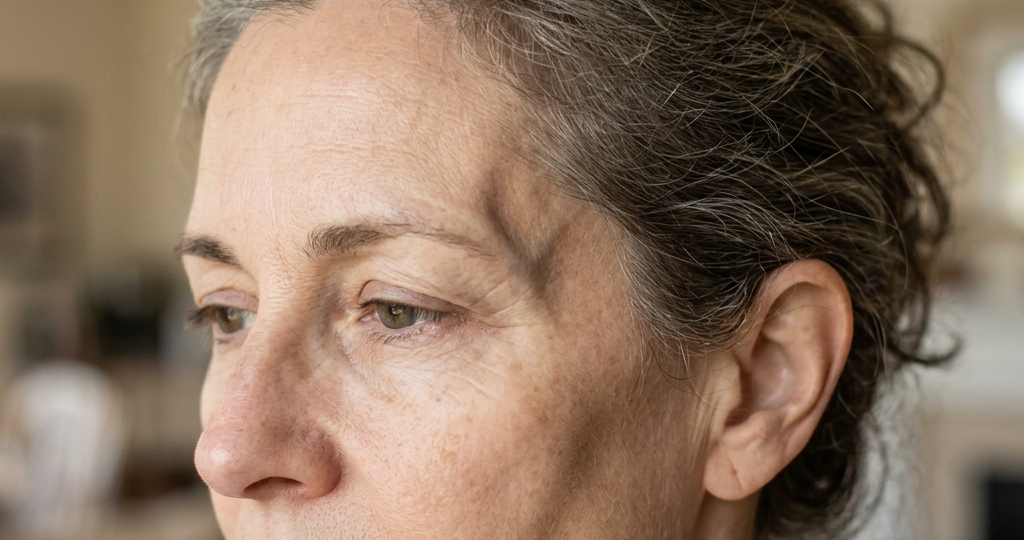
Restylane Contour is a hyaluronic acid (HA)-based dermal filler designed to restore facial volume and improve contour deficiencies. Temple volume naturally diminishes with age, which can disrupt facial balance and contribute to a tired, sunken, or aged appearance. These changes may also be accelerated by medication-driven weight loss, an increasingly recognized aesthetic concern.
The filler is powered by OBT™/XpresHAn™ technology, which allows the gel to integrate into facial tissue while maintaining both structural support and flexibility for natural facial movement. Restylane Contour can be delivered using a dual-layer injection technique that combines needle and cannula approaches, enabling healthcare professionals to achieve precise and customized placement aligned with individual patient needs.
The FDA approval was supported by clinical study results demonstrating significant improvement in temple hollowing. At three months, 91% of patients were considered treatment responders, with more than 85% maintaining response up to 18 months after initial treatment. Investigators reported improvement from baseline in 100% of patients at three months, 98% at six months, and 89% at 18 months.
Patient-reported outcomes also showed strong satisfaction with treatment results. More than 70% of participants reported looking younger, less tired, and more refreshed at 18 months, while 85% said their temples appeared natural at the same time point. Additionally, over 84% of patients remained satisfied with their temple appearance for the full 18-month follow-up period, based on FACE-Q patient-reported outcome assessments.
Regarding safety, all treatment-related adverse events were reported as mild to moderate, with no serious treatment-related events observed in the clinical trial.
According to dermatologist and dermatologic surgeon Mark Nestor, M.D., Ph.D., the temples play an important role in maintaining facial balance but are often overlooked as an aesthetic treatment area. The new indication provides clinicians with an additional option to restore youthful facial proportions while maintaining natural-looking outcomes.
Galderma noted that the approval further strengthens its injectable aesthetics portfolio and supports its strategy to address evolving aesthetic needs, including facial volume changes associated with aging and medication-driven weight loss. The Restylane brand has more than 30 years of innovation and over 77 million treatments administered worldwide.
For detailed safety information and to explore the full Restylane portfolio, visit www.RestylaneUSA.com.
Reference
Galderma receives U.S. FDA approval for Restylane® Contour™ for the correction of temple hollowing, 23 March 2026, Galderma receives U.S. FDA approval for Restylane® Contour™ for the correction of temple hollowing | Galderma


About the Writer
Vennela Reddy, B.Pharm is a pharmacy graduate with a keen interest in clinical research, pharmacovigilance, and medical writing, with a growing focus on publishable and scientific content development. Along with this she also interested in wellness and healthcare writing due to her natural interest in those topics. In her words, she is passionate about translating complex medical data into clear, evidence-based communication.