
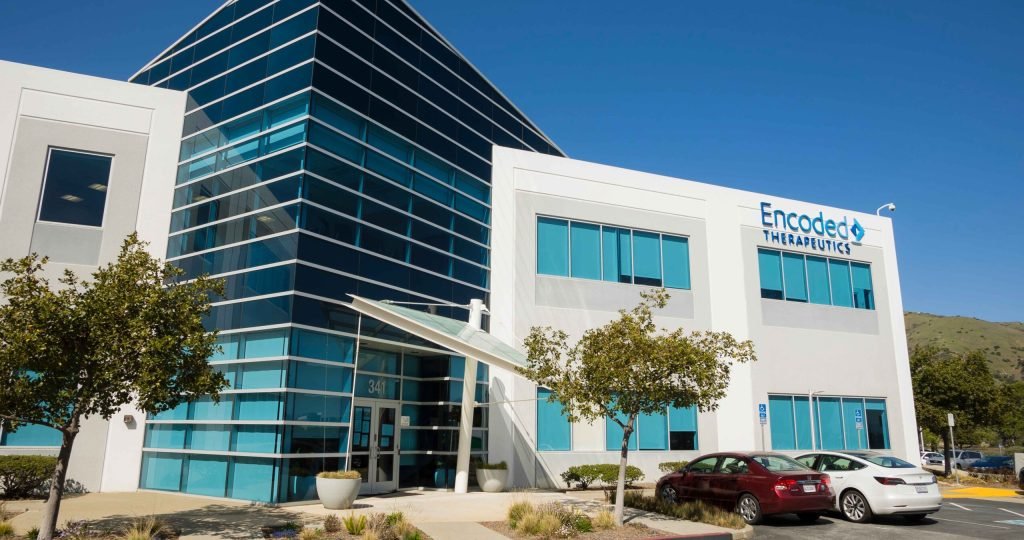
Encoded Therapeutics has secured FDA alignment on the pivotal ENDEAVOR Part 2 trial design for ETX101, a one-time AAV9 gene regulation therapy targeting SCN1A-positive Dravet syndrome, with dosing expected to begin in Q2 2026.
Written By: Chikkula Pavan Kumar, PharmD
Reviewed By: Pharmacally Editorial Team
Encoded Therapeutics announced Thursday it has secured U.S. Food and Drug Administration alignment on the pivotal clinical trial design for ETX101, its investigational gene regulation therapy targeting SCN1A-positive Dravet syndrome, following an Initial Comprehensive Multidisciplinary Regenerative Medicine Advanced Therapy meeting.
The ENDEAVOR Part 2 study (NCT05419492) will test a single intracerebroventricular dose of ETX101 in 30 infants and young children aged 6 months to under 4 years with confirmed SCN1A mutations. This randomized, double-blind, sham-controlled trial compares the therapy to delayed treatment over 52 weeks, with the primary endpoint measuring percent reduction in monthly countable seizure frequency.
A key secondary endpoint evaluates cognitive improvements via the Bayley Scales of Infant and Toddler Development, Fourth Edition; additional measures cover safety, behavior, and adaptive functioning using the Vineland Adaptive Behavior Scales, Third Edition.
In parallel, ENDEAVOR Part 1B an open-label extension will enroll five patients aged 4 to under 18 years to assess safety and tolerability as primary goals. Secondary endpoints track seizure frequency changes and neurodevelopmental progress in cognition, communication, and motor function.
Study initiation activities for both parts are underway, with patient dosing set to begin in Q2 2026. Encoded expects initial Part 1B data in Q4 2026, full Part 2 enrollment by year-end, and first readouts by end-2027. This design builds on December 2025 interim results from the POLARIS Phase 1/2 trial, which showed seizure reductions and neurodevelopmental gains in early participants, alongside a favorable safety profile.
ETX101, an AAV9 vector, aims to boost SCN1A gene expression in inhibitory interneurons to address Dravet syndrome’s root cause a sodium channel deficit with potential long-term benefits across seizures, cognition, and motor skills via one-time delivery. The therapy holds FDA Breakthrough Therapy, RMAT, Fast Track, Rare Pediatric Disease, and Orphan Drug designations, plus EMA Orphan status.
Encoded plans to share ETX101 data at the 2026 American Society of Gene and Cell Therapy Annual Meeting in Boston. Dravet syndrome, a severe developmental epilepsy, affects roughly 1 in 15,700 newborns, with limited treatments focused mainly on seizure control.
Reference
Encoded Therapeutics Announces FDA Alignment, Initiation of Pivotal Study, and ASGCT Presidential Symposium Presentation of ETX101 in Dravet Syndrome, 25 March 2026, Encoded Therapeutics Announces FDA Alignment, Initiation of Pivotal Study, and ASGCT Presidential Symposium Presentation of ETX101 in Dravet Syndrome – Encoded Therapeutics
A Clinical Study to Evaluate the Safety and Efficacy of ETX101 in Infants and Children with SCN1A-Positive Dravet Syndrome (ENDEAVOR), ClinicalTrials.gov ID NCT05419492, https://clinicaltrials.gov/study/NCT05419492


About the Writer
Chikkula Pavan Kumar, PharmD is a Doctor of Pharmacy with a keen interest in clinical pharmacy, pharmacovigilance, and evidence-based practice. In his words, he is passionate about patient safety and translating complex medical information into clear, research-driven communication.