

Learn the best evidence-based diet while taking GLP-1 weight loss drugs like Ozempic, Wegovy, Zepbound, and Saxenda. Discover high-protein, high-fiber foods that maximize fat loss, reduce nausea, prevent constipation, and support long-term metabolic health.
Written By: Sana Khan BPharm
Reviewed By: Dr. Rahul Gaikawad, MBBS,
MD-General Medicine, (Diabetologist)
GLP-1 receptor agonists are widely used for weight loss and metabolic improvement. These medicines work mainly by reducing appetite, increasing fullness, and slowing gastric emptying. Because of these effects, diet quality becomes essential for both maximizing weight loss and minimizing common side effects such as nausea, reflux, or constipation.
GLP-1 drugs are approved to be used alongside a reduced-calorie diet and increased physical activity. This applies to medications such as semaglutide (Ozempic, Wegovy), liraglutide (Saxenda), and dual incretin agents like tirzepatide (Zepbound, Mounjaro).
Key dietary foundation while on GLP-1 drugs
- Follow a reduced-calorie meal plan
- Choose nutrient-dense foods over processed foods
- Eat smaller, slower meals to improve gastrointestinal tolerance
Prioritize Protein to Preserve Lean Muscle
Rapid weight loss on GLP-1 weight loss medications can lead to loss of both fat and muscle mass if protein intake is inadequate. Clinical obesity guidelines consistently emphasize the importance of preserving lean tissue during pharmacologic weight loss therapy.
Higher-protein diets also improve satiety and reduce cravings, which aligns well with the appetite-suppressing mechanism of GLP-1 drugs.
Best protein choices
- Eggs, fish, chicken breast
- Greek yogurt, cottage cheese
- Lentils, chickpeas, tofu
Practical tips
- Include protein in every meal
- Aim for approximately 20–30 g per meal if tolerated
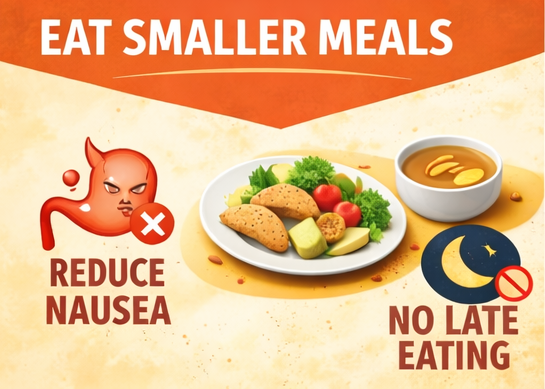
Eat Smaller, More Frequent Meals to Reduce Nausea
One of the most common adverse effects of GLP-1 therapies is gastrointestinal intolerance, especially during dose escalation. This occurs because GLP-1 drugs slow gastric emptying, making large meals harder to tolerate.
This effect is particularly prominent with longer-acting agents such as semaglutide (Wegovy, Ozempic) and tirzepatide (Zepbound).
Professional gastroenterology guidance recommends small, frequent meals and slow eating patterns to reduce nausea and vomiting.
Diet strategies for nausea prevention
- Eat 4–5 smaller meals instead of 2 large meals
- Chew slowly and stop eating at early fullness
- Avoid heavy meals late at night
Foods that are usually better tolerated
- Toast, crackers, rice
- Bananas, applesauce
- Low-fat soups
Focus on High-Fiber Foods for Constipation Prevention
Constipation is another frequent issue with GLP-1 therapies. Reduced food volume combined with slowed digestion can decrease bowel motility.
Diets rich in fiber improve stool frequency, gut health, and cardiometabolic outcomes. Nutrition literature supports increasing fiber gradually to improve tolerance, especially when patients are eating smaller portions.
Best fiber-rich foods
- Oats, barley, whole grains
- Vegetables: broccoli, carrots, spinach
- Fruits: berries, pears, kiwi
- Chia seeds, flaxseeds
Best practice
- Increase fiber slowly to avoid bloating
- Always pair fiber with adequate hydration

Hydration is Essential While Appetite is Reduced
Because GLP-1 drugs significantly reduce hunger and food intake, many patients unintentionally drink less water. Dehydration can worsen constipation, fatigue, dizziness, and headaches.
Clinical nutrition experts stress regular fluid intake, especially in people increasing dietary fiber or experiencing nausea.
Hydration targets
- 2–3 liters per day depending on body size and activity level
Better fluid choices
- Water
- Electrolyte water (if needed)
- Herbal teas
Avoid
- Sugary beverages
- Excess alcohol (may worsen gastrointestinal side effects)
Limit High-Fat and Fried Foods (Major Trigger for Side Effects)
High-fat meals remain in the stomach longer and can worsen nausea, reflux, and bloating during GLP-1 therapy. Many patients report symptom improvement when fatty foods are reduced.
This is especially relevant for individuals using higher-dose agents for obesity management such as Wegovy (semaglutide 2.4 mg) or Zepbound (tirzepatide).
Foods to minimize
- Fried fast foods
- Heavy cream sauces
- Fatty cuts of red meat
- High-fat desserts
Better alternatives
- Grilled or baked lean proteins
- Olive oil in small amounts
- Avocados and nuts in moderation
Choose Low-Glycemic, High-Quality Carbohydrates
GLP-1 drugs improve glucose metabolism and reduce cardiometabolic risk factors. Diet quality strongly influences these benefits, especially in patients with type 2 diabetes using agents such as Ozempic, Trulicity, or Mounjaro.
Guidelines recommend emphasizing whole-food carbohydrates instead of refined sugars for better long-term metabolic control.
Best carbohydrate sources
- Sweet potatoes
- Brown rice, quinoa
- Beans and lentils
- Whole fruits
Avoid frequent intake of
- Sugary snacks
- White bread and pastries
- Sweetened cereals
A Mediterranean-Style Diet Works Best with GLP-1 Therapy
The Mediterranean dietary pattern is one of the most studied approaches for sustainable weight loss and cardiovascular risk reduction. It complements the metabolic effects of GLP-1 drugs and improves long-term outcomes.
Major obesity management guidelines recommend dietary counselling alongside pharmacotherapy.
Mediterranean diet focus
- Vegetables, legumes, olive oil
- Fish and lean proteins
- Whole grains
- Minimal ultra-processed foods
Long-Term Success Requires Lifestyle, Not Medication Alone
Global obesity organizations and regulatory authorities emphasize that GLP-1 drugs are not standalone solutions. They work best when combined with structured nutrition, physical activity, and behavioural counselling.
This applies across the entire class, including liraglutide (Saxenda), semaglutide (Wegovy), and tirzepatide (Zepbound).
Sustainable habits include
- Meal planning
- Protein and fiber consistency
- Strength training for muscle maintenance
- Long-term calorie awareness
Best Diet Summary While on GLP-1 Weight Loss Drugs
The most important dietary principles include:
- High-protein meals to prevent muscle loss
- Small, slow meals to reduce nausea
- High-fiber foods and hydration to prevent constipation
- Low-fat meals to improve tolerance
- Mediterranean-style whole foods for best outcomes
- Avoid sugary, fried, ultra-processed foods
Reference
Wegovy, Highlight of Prescribing Information, https://www.accessdata.fda.gov/drugsatfda_docs/label/2023/215256s007lbl.pdf
John P.H. Wilding et al, Once-Weekly Semaglutide in Adults with Overweight or Obesity, N Engl J Med 2021;384:989-1002, DOI: 10.1056/NEJMoa2032183, https://doi.org/10.1056/nejmoa2032183
American Diabetes Association Professional Practice Committee for Diabetes 8. Obesity and Weight Management for the Prevention and Treatment of Diabetes: Standards of Care in Diabetes–2026. Diabetes Care 1 January 2026; 49 (Supplement_1): S166–S182. https://doi.org/10.2337/dc26-S008
Fredrick TW, Camilleri M, Acosta A. Pharmacotherapy for Obesity: Recent Updates. Clin Pharmacol. 2025 Sep 19;17:305-327. Doi: 10.2147/CPAA.S497904. PMID: 40995421; PMCID: PMC12456317.
AGA Clinical Guidelines Committee et al., AGA Clinical Practice Guideline on Pharmacological Interventions for Adults with Obesity, Gastroenterology, Volume 163, Issue 5, 1198 – 1225. https://doi.org/10.1053/j.gastro.2022.08.045
Spreckley, M., Ruggiero, C.F. & Brown, A. Bridging the nutrition guidance gap for GLP-1 receptor agonist therapy assisted weight loss: lessons from bariatric surgery. Int J Obes (2025). https://doi.org/10.1038/s41366-025-01952-w
Gentinetta S, Sottotetti F, Manuelli M, Cena H. Dietary Recommendations for the Management of Gastrointestinal Symptoms in Patients Treated with GLP-1 Receptor Agonist. Diabetes Metab Syndr Obes. 2024 Dec 19;17:4817-4824. PMID: 39722834; PMCID: PMC11668918. https://doi.org/10.2147/DMSO.S494919
Bergmann NC, Davies MJ, Lingvay I, Knop FK. Semaglutide for the treatment of overweight and obesity: A review. Diabetes Obes Metab. 2023 Jan;25(1):18-35. Epub 2022 Oct 18. PMID: 36254579; PMCID: PMC10092086. https://doi.org/10.1111/dom.14863