
Eylea 8 mg receives EU approval for macular edema due to retinal vein occlusion after the Phase III QUASAR trial showed durable vision control with fewer injections and intervals up to five months.
Written By: Pharmacally Medical News Desk
The European Commission has approved Eylea 8 mg, an aflibercept formulation, for the treatment of visual impairment caused by macular edema following retinal vein occlusion. The authorization covers branch, central, and hemiretinal vein occlusion and marks the third retinal indication for the high-dose therapy in the European Union. The decision follows positive results from the Phase III QUASAR study, which showed that Eylea 8 mg-maintained vision while allowing longer intervals between injections.
Christine Roth Member of the Pharmaceuticals Leadership Team at Bayer highlighted that the approval broadens the role of Eylea 8 mg beyond wet age-related macular degeneration and diabetic macular edema. She described the therapy as a durable option that responds to patient demand for longer-acting treatments across multiple retinal diseases.
About Aflibercept
Eylea is an anti-vascular endothelial growth factor treatment designed to block VEGF and placental growth factor, two key drivers of abnormal blood vessel leakage in retinal disease. By inhibiting these pathways, aflibercept reduces fluid accumulation in the macula, the central part of the retina responsible for detailed vision. The 8 mg formulation delivers a higher concentration than the traditional 2 mg dose, aiming to extend durability without compromising disease control.
Clinical Trial Evidence from QUASAR
In the QUASAR trial (NCT05850520), Eylea 8 mg achieved non-inferior visual and anatomical outcomes compared with the standard 2 mg regimen. After three initial monthly injections, patients receiving the higher dose required significantly fewer treatments. By week 64, the average number of injections was 8.4 with Eylea 8 mg versus 11.7 with the 2 mg dose, representing two to three fewer procedures per patient.
Durability was a defining result. More than 60% of treated patients reached a final dosing interval of four months or longer, and 40% were able to extend to five months. Fluid reduction, an indicator of disease stability, was comparable between both doses despite the extended schedules. Only a small proportion of patients on Eylea 8 mg needed to return to monthly injections.
Safety Profile
The higher-dose formulation was well tolerated throughout the study. Reported adverse events were consistent with earlier aflibercept trials, and no new safety concerns emerged. Investigators noted that the balance between maintained vision and reduced injection frequency could meaningfully lower treatment burden for patients and clinics.
Professor Richard Gale, one of the QUASAR investigators, emphasized the practical impact of the findings. He explained that retinal vein occlusion often affects people who are still professionally active and that frequent eye injections can be difficult to manage. The ability to maintain vision with fewer visits represents a significant step forward in real-world care.
Regulatory Status and Development Plans
Eylea 8 mg continues to gain global momentum across major retinal diseases. In the European Union, the therapy is now approved for three indications: neovascular age-related macular degeneration, diabetic macular edema, and most recently macular edema following retinal vein occlusion. In parallel, U.S. regulators have also cleared the high-dose formulation, marketed as EYLEA HD®, for the treatment of macular edema after retinal vein occlusion, further strengthening the international regulatory position of aflibercept 8 mg.
To date, the medicine has received authorization in more than 60 markets worldwide. It remains the first and only anti-VEGF therapy in the EU and UK approved for extended treatment intervals of up to six months in nAMD and DME. The program is jointly developed by Bayer and Regeneron. Regeneron holds exclusive rights in the United States, while Bayer manages commercialization outside the U.S.
Understanding Retinal Vein Occlusion
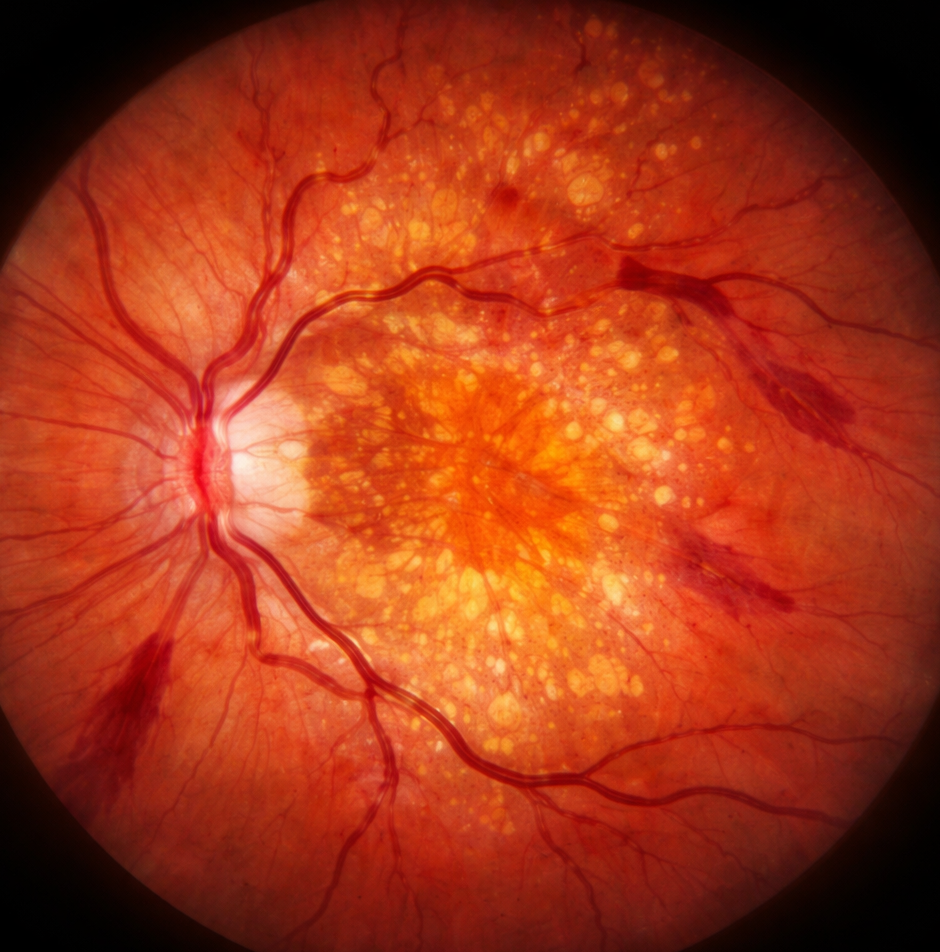
Retinal vein occlusion affects an estimated 28 million adults worldwide and can trigger sudden vision loss. The condition occurs when blood flow through the retinal veins is blocked. Central retinal vein occlusion involves the main vein at the optic nerve, while branch retinal vein occlusion affects smaller vessels and is far more common. Hemiretinal vein occlusion impacts half of the retina.
The blockage reduces oxygen supply and stimulates excess VEGF production. This leads to leakage of fluid and blood into the macula, creating macular edema that blurs central vision. Effective VEGF suppression is therefore central to preserving sight in these patients.
References
Eylea™ 8 mg approved in the EU for third retinal indication, 16 January 2026, Eylea™ 8 mg approved in the EU for third retinal indication
A Study to Learn How Well a Higher Amount of Aflibercept Given as an Injection Into the Eye Works and How Safe it is in People with Reduced Vision Due to Swelling in the Macula, Central Part of the Retina Caused by a Blocked Vein in the Retina (Macula Edema Secondary to Retinal Vein Occlusion) (QUASAR), ClinicalTrials.gov ID NCT05850520, https://clinicaltrials.gov/study/nct05850520
FDA Clears Regeneron and Bayer’s EYLEA HD® for Macular Edema after Retinal Vein Occlusion, 20 November 2026, https://pharmacally.com/fda-clears-regeneron-and-bayers-eylea-hd-for-macular-edema-after-retinal-vein-occlusion/