
Written By: Pharmacally Medical News Desk
(Manasi Pawar, Srushti Avhad, Rutuja Medge, BPharm)
Reviewed By: Pharmacally Editorial Team
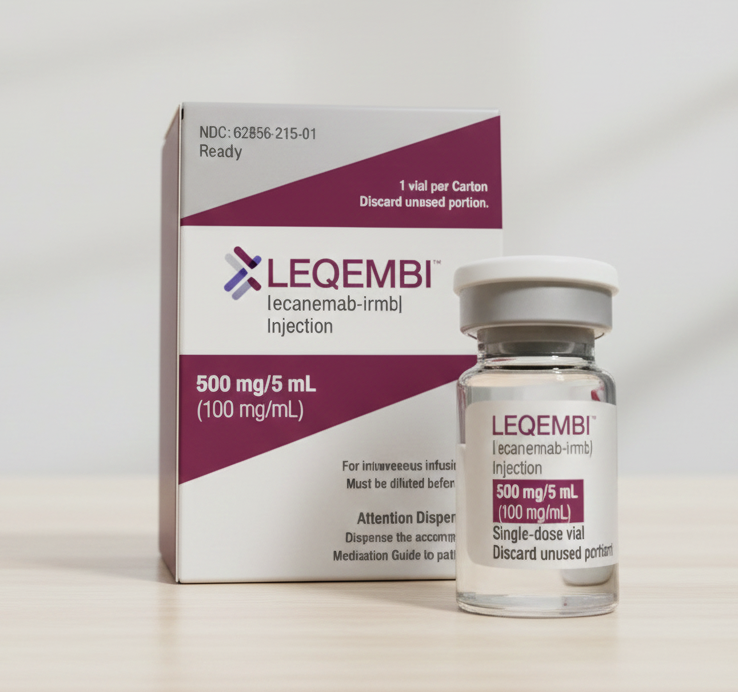
LEQEMBI® (lecanemab-irmb), a treatment for Alzheimer’s disease developed by Biogen and Eisai, has demonstrated strong evidence of reducing toxic amyloid beta protofibril in the brain’s cerebrospinal fluid (CSF). This was revealed in new findings presented at the 2025 Clinical Trials on Alzheimer’s Disease Conference (CTAD). The data, from a large Phase III trial subgroup, showed LEQEMBI helps bind and clear neurotoxic protofibril, which are harmful protein clusters that play a key role in Alzheimer’s disease progression.
What the new data shows
In the Clarity AD CSF sub-cohort, investigator analyzed a subgroup of 410 patients and measured protofibrils in CSF. Protofibrils are toxic, soluble forms of amyloid that appear before plaques form in the brain. They are believed to play a major role in nerve cell injury.
The study found:
- In people who received no treatment, protofibrils kept rising over time, increasing 19 percent at 12 months and 29 percent at 18 months. This reflected ongoing disease worsening.
- In patients treated with Leqembi, protofibrils increased more sharply at first, rising 59 percent at 12 months and 45 percent at 18 months. This rise is expected and shows the drug is binding to protofibrils and pulling them out of brain deposits into the CSF, where they can be cleared.
The companies also reported that, in untreated patients, rising protofibrils were linked with markers of nerve damage and tau pathology. These correlations disappeared in patients treated with Leqembi, suggesting the drug may reduce the toxic effects of these proteins on the brain.
Why protofibrils matter
Protofibrils form early in Alzheimer’s and cause damage even before amyloid plaques appear. They disrupt brain cell membranes, trigger inflammation and contribute to cognitive decline. Because they are highly toxic, reducing protofibrils is considered an important target in early Alzheimer’s disease.
How Leqembi works
Leqembi is designed to attach specifically to protofibrils with far greater strength than it does to other amyloid forms. Once bound, the drug helps the immune system remove these toxic particles. This action helps prevent further plaque formation and may also slow the biological changes linked to Alzheimer’s progression.
Where Leqembi is approved
Leqembi has been approved in more than 50 countries, including the United States, Japan and regions in Europe. Treatment starts with intravenous dosing, with a subcutaneous option and currently sBLA has been filed to FDA and PMDA, Japan for subcutaneous starting dose. Ongoing trials, such as AHEAD 3-45, are also studying its potential use in people who are at risk but have not yet developed symptoms.
References
New Data Presented at CTAD 2025 Confirms Pharmacological Effect of LEQEMBI® (lecanemab-irmb) on Neurotoxic Aβ Protofibrils in CSF, Eisai Global, 03 December 2025, https://www.eisai.com/news/2025/news202584.html
New Data Presented at the Clinical Trials on Alzheimer’s disease (CTAD) Conference 2025 Confirms Pharmacological Effect of LEQEMBI® (lecanemab-irmb) on Neurotoxic Aβ Protofibrils in CSF, 02 December 2025, Biogen, https://investors.biogen.com/news-releases/news-release-details/new-data-presented-clinical-trials-alzheimers-disease-ctad