
Written By: Pharmacally Medical News Desk
The U.S. Food and Drug Administration (FDA) unveiled a new initiative on October 31, 2025, aimed at safeguarding children from unapproved and potentially harmful ingestible fluoride prescription drug products. This regulatory shift comes in response to growing scientific evidence indicating systemic risks associated with these products, leading the FDA to restrict their sale and plan for their removal from the market.
Overview of the FDA Initiative
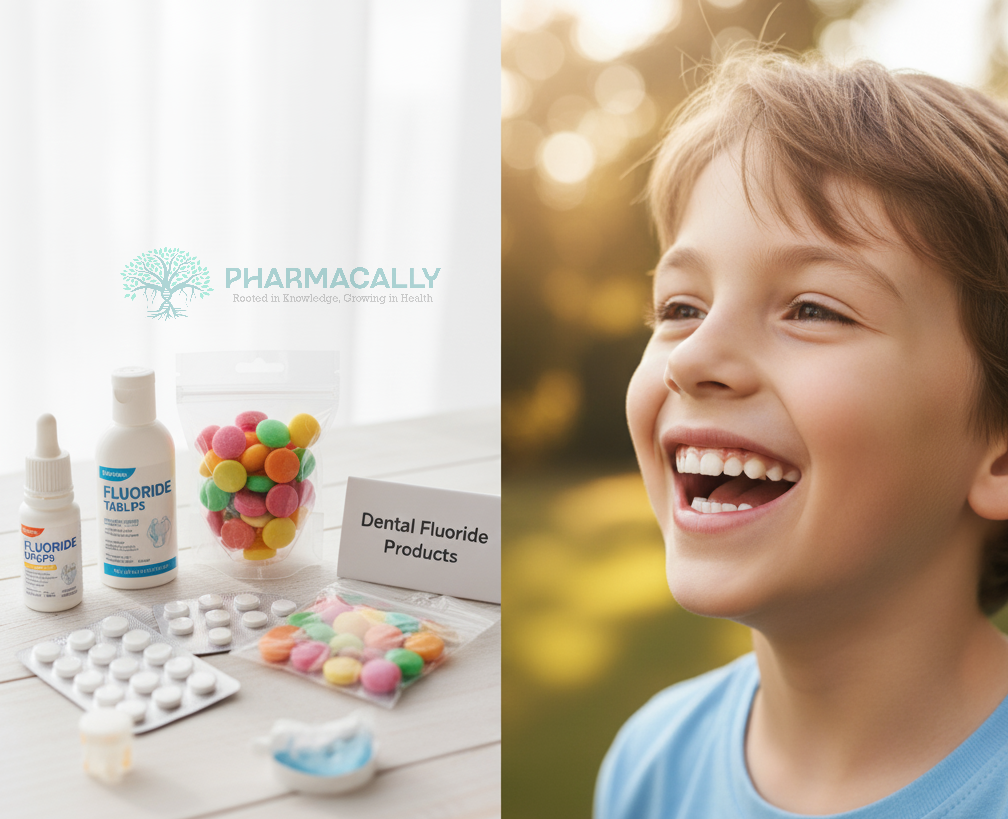
The FDA’s action specifically targets concentrated ingestible fluoride products tablets, drops, and lozenges prescribed to children, particularly those under three years old or children at low to moderate risk of dental caries. Unlike fluoride toothpaste or rinses, these products are meant for oral ingestion and have never received FDA approval for safety or efficacy in cavity prevention.
Scientific Evaluation of Benefits and Emerging Safety Concerns
The FDA’s October 2025 scientific evaluation underscores a balanced view of ingestible fluoride drug products in children. The evidence confirms clear benefits in reducing tooth decay in permanent teeth, while effects on primary teeth remain uncertain or minimal. Dental fluorosis a condition marked by tooth discoloration and enamel defects remains the most well-established risk, particularly during early childhood (15–30 months), which justifies the agency’s recommendation to restrict use to children aged three years and older at high risk of dental caries. Emerging safety concerns raised in the evaluation include potential effects on neurocognitive function (notably decreased IQ in some studies), thyroid function, gut microbiome composition, and weight gain. However, these associations are considered hypothesis-generating and inconclusive, with limited direct evidence linking ingestible fluoride drug products to these outcomes. The report calls for further research to clarify these potential risks. Additionally, utilization data show decreasing prescriptions of these products over recent years, mostly prescribed to children aged 3 to 9 years, aligning with FDA’s cautious approach. The agency emphasizes shared clinical decision-making informed by fluoride exposure from water, diet, and overall oral health status, seeking to balance cavity prevention benefits against risks to pediatric health.
Regulatory and Enforcement Actions Taken
On October 31, 2025, the FDA sent enforcement notices to four companies marketing unapproved ingestible fluoride drugs for children. The agency warned it would pursue compliance action if these firms continued distribution outside newly established safety guidelines. The initiative is coordinated with the Department of Health and Human Services (HHS), with Health Secretary Robert F. Kennedy Jr. supporting the move as part of enhanced public health protection.
Best Practices and Dental Hygiene Alternatives
Alongside restricting unapproved drug products, the FDA and HHS plan to issue updated recommendations for pediatric dental hygiene. These will emphasize avoiding excess sugar intake and prioritizing good brushing habits, rather than using ingestible fluoride to manage cavity risk. Community water fluoridation and topical products, such as approved fluoride toothpaste, remain accepted methods for preventing tooth decay.
Public Health Implications
The FDA’s approach aligns with federal efforts to “Make America Healthy Again.” The action is part of a broader push to eliminate outdated practices, reflecting global trends: most European countries do not fluoridate drinking water, and recent policies have moved away from systemic fluoride exposure in children. The move has raised public awareness, stimulated professional discussion, and highlighted the importance of thorough regulatory oversight in pediatric care.
Key Opinions
FDA Commissioner Marty Makary underscored the need to err on the side of safety in pediatric medicine, stating: “The best way to prevent cavities in children is by avoiding excessive sugar intake and good dental hygiene, not by altering a child’s microbiome”. Leading health organizations have also weighed in, with some cautioning against overreaction, noting that community water fluoridation at recommended levels remains safe and effective for reducing childhood tooth decay. “FDA’s action marks a critical step in updating outdated science and protecting children from risks linked to unapproved ingestible fluoride products,” said Health Secretary Robert F. Kennedy Jr. “These products have been used without approval for decades, and today’s move raises awareness, informs healthcare providers, and supports the commitment to ensure children’s health.”
References
FDA Acts to Protect Children from Unapproved Fluoride Drug Products, 31 October 2025, US FDA, https://www.fda.gov/news-events/press-announcements/fda-acts-protect-children-unapproved-fluoride-drug-products
Ingestible Fluoride Drug Products, A Scientific Evaluation of Use, Benefits, and Risks in the Pediatric Population, FDA Center for Drug Evaluation and Research, https://www.fda.gov/media/189421/download
Make our children healthy again, Make America Healthy Again (MAHA), Recommendations of the MAHA Commission to President Donald J. Trump, https://www.whitehouse.gov/wp-content/uploads/2025/09/The-MAHA-Strategy-WH.pdf