
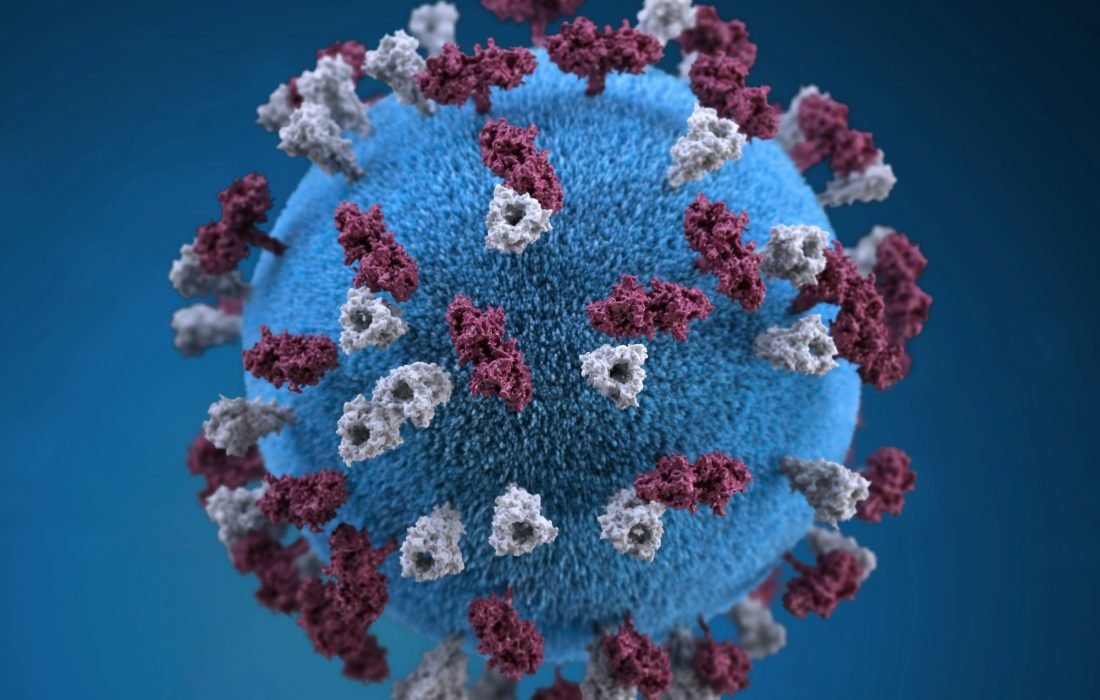
Mirum’s brelovitug met the primary endpoint in the AZURE-4 Phase 3 study, achieving 59% combined virologic and ALT response in chronic hepatitis D.
Written By: Anshu Gupta, PharmD
Reviewed By: Pharmacally Editorial Team
Mirum Pharmaceuticals announced on November 10, 2026, that its investigational monoclonal antibody brelovitug met the primary endpoint in the Phase 3 AZURE-4 study (NCT07298330) evaluating treatment for chronic hepatitis delta virus (HDV) infection. The findings mark the second positive registrational Phase 3 study for brelovitug, following AZURE-1, and add to evidence supporting its potential as a single-agent anti-HDV therapy on top of background hepatitis B virus (HBV) suppression.
AZURE-4 Phase 3 Study Meets Primary Endpoint
The global, open-label AZURE-4 study enrolled 113 treatment-naïve patients, with participants required to be receiving or willing to initiate background hepatitis B virus (HBV) nucleos(t)ide analogue therapy. Patients were randomized in a 2:1:1 ratio to receive brelovitug 300 mg once weekly (QW) through self-administered subcutaneous injection, 900 mg once every four weeks (Q4W), or delayed treatment beginning at Week 12. The respective active-treatment groups included 58 and 27 patients. The study population had substantial disease burden, with 53% having cirrhosis, approximately half presenting with baseline HDV RNA levels above 6 log₁₀ IU/mL, and mean baseline alanine aminotransferase (ALT) of 122 U/L.
At Week 24, the prespecified primary endpoint of combined virologic response and ALT normalization was achieved by 59% of patients receiving 300 mg QW, while 44% receiving 900 mg Q4W achieved the same endpoint, compared with 0% in the delayed-treatment group. The comparisons were statistically significant (p<0.0001 for 300 mg QW and p=0.0001 for 900 mg Q4W).
Virologic response was defined as an HDV RNA reduction of at least 2 log₁₀ from baseline, HDV RNA below the lower limit of quantification (LLOQ; less than 10 IU/mL), or undetectable HDV RNA. Virologic response rates reached 95% and 96% in the respective dosing groups, while ALT normalization occurred in 60% and 44%.
HDV RNA levels below the LLOQ were reported in 31% and 22% of patients, respectively, while undetectable viral RNA was observed in 14% and 11%. Participants without evaluable data at a given assessment were classified as non-responders. Comparisons with delayed treatment used a stratum-adjusted Miettinen-Nurminen test.
Full AZURE-4 results are expected to be presented at an upcoming medical congress. The study also includes an open-label extension of up to 96 weeks to evaluate longer-term treatment outcomes.
Consistent Efficacy Across the AZURE Programme
AZURE-4 is the second registrational Phase 3 study to meet its primary endpoint, following AZURE-1. In AZURE-1, combined response rates at Week 24 were 56% with 300 mg QW and 45% with 900 mg Q4W.
The comparable response rates across the two studies provide further evidence of activity with both dosing regimens. However, these findings represent separate clinical trials rather than a direct head-to-head comparison between dosing schedules.
Longer-Term Phase 2 Findings Highlight Sustained Responses
Three presentations at the American Association for the Study of Liver Diseases (AASLD) The Liver Meeting 2026 provided additional evidence on longer-term treatment responses.
In the AZURE-1 Phase 2b study, combined response rates at Week 48 were 55% in both dosing groups. Virologic response reached 95%, with ALT normalization in 55% of patients in each group.
Further findings came from the BJT-778-001 Phase 2a study involving 15 patients with cirrhosis treated for up to 108 weeks. All 15 achieved virologic response and ALT normalization following treatment with brelovitug 900 mg Q4W. HDV RNA was below the LLOQ in 87%, while 73% achieved undetectable levels. Patients initially receiving other dosing regimens transitioned to 900 mg Q4W at Week 48 during the open-label extension.
Longer treatment was also associated with improvements in liver stiffness, including among patients with advanced cirrhosis. However, these findings do not independently establish fibrosis regression or reversal of cirrhosis.
Safety and Regulatory Outlook
Brelovitug was well tolerated across AZURE-4 treatment groups, with no new safety signals. Flu-like illness was the most common adverse event, occurring in 17.2% of patients receiving 300 mg QW and 18.5% receiving 900 mg Q4W. Most episodes followed the first dose. Injection-site reactions occurred in 1.7% and 7.4%, respectively.
Mirum plans to submit a Biologics License Application (BLA) to the U.S. Food and Drug Administration (FDA) in the first half of 2027, with a potential U.S. commercial launch in the fourth quarter of 2027, subject to approval.
Brelovitug is a fully human immunoglobulin G1 (IgG1) monoclonal antibody targeting hepatitis B surface antigen (HBsAg) associated with hepatitis B and hepatitis delta viruses. It is designed to neutralize and remove viral particles and deplete HBsAg-containing subviral particles. The investigational therapy has received FDA Breakthrough Therapy and Orphan Drug designations, alongside European Medicines Agency PRIME and Orphan designations.
Clinical Interpretation
AZURE-4 strengthens brelovitug’s clinical development programme by demonstrating combined antiviral and biochemical responses in a second Phase 3 study. The findings are relevant given the substantial proportion of participants with cirrhosis and elevated baseline viral loads. Longer-term Phase 2 observations further suggest that viral suppression and ALT normalization can be sustained or deepen with continued treatment.
However, improvements in ALT and liver stiffness do not establish reversal of cirrhosis or prevention of liver-related complications. The 100% response observed in the Phase 2a cirrhosis subgroup also requires cautious interpretation because it involved only 15 patients. Further clinical evaluation and longer-term follow-up will be needed to establish whether these responses translate into meaningful improvements in liver-related outcomes.
References
Mirum Pharmaceuticals Announces Primary Endpoint Met in AZURE-4 Phase 3 Study and Highlights Long-Term Brelovitug Data Presented at AASLD, Mirium Pharmaceuticals, 10 November 2026
A Trial Evaluating Brelovitug vs Delayed Treatment for the Treatment of Chronic Hepatitis Delta Infection (AZURE-4), ClinicalTrials.gov ID NCT07298330

About the Writer
Anshu Gupta (LinkedIn) is a PharmD professional and healthcare writer with interests in clinical research, pharmacovigilance, regulatory affairs, and medical writing. She has presented research at academic conferences and completed certifications in Good Clinical Practice (GCP), ICH-GCP, and drug safety. Passionate about clinical trials and evidence-based medicine, she is committed to translating scientific evidence into accurate, reliable, and accessible healthcare content.