
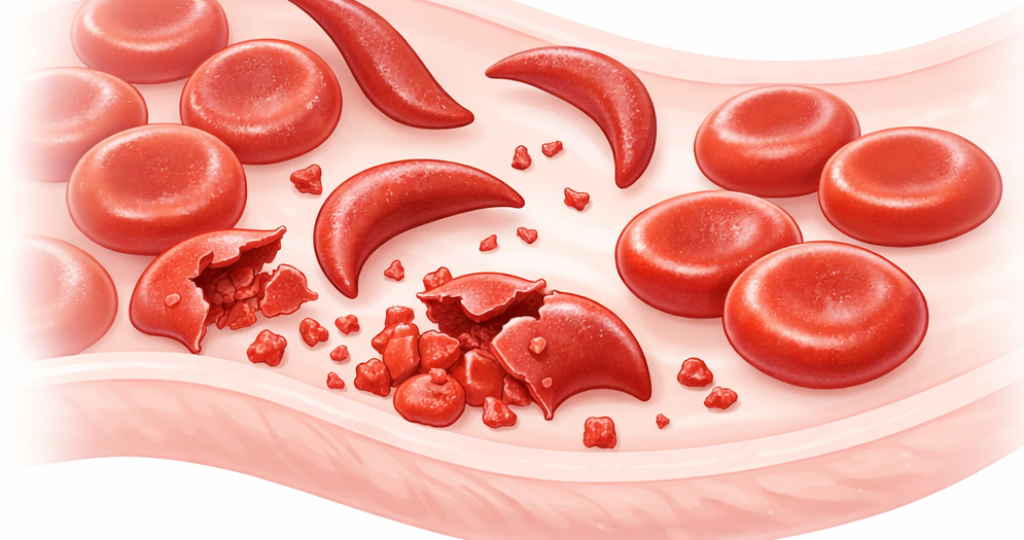
Zydus Lifesciences has received approval to begin a Phase 3 trial of desidustat for anemia in sickle cell disease with ICMR after positive Phase 2 results and FDA Orphan Drug Designation.
Written By: Shaik Yasmeen, PharmD
Reviewed By: Pharmacally Editorial Team
Zydus Lifesciences has secured approval to initiate a Phase 3 clinical trial evaluating desidustat for anemia in patients with sickle cell disease (SCD). The study, which will be conducted in collaboration with the Indian Council of Medical Research (ICMR), follows encouraging Phase 2 proof-of-concept findings and marks another step in the development of the oral hypoxia-inducible factor prolyl hydroxylase (HIF-PH) inhibitor beyond chronic kidney disease-related anemia.
The 203-day, multicenter study will enroll 164 patients with sickle cell disease. It will use a randomized, double-blind, placebo-controlled, parallel-group design to assess the efficacy and safety of desidustat oral tablets for treating anemia, a major complication of the disease.
Scientific and Clinical Context
Sickle cell disease is a hereditary hemoglobin disorder that causes chronic hemolytic anemia, painful vaso-occlusive crises, and progressive organ damage. India carries one of the world’s largest disease burdens, particularly among tribal populations. National Health Mission estimates cited by Zydus indicate that nearly 20 million people live with the condition in India, with approximately 50,000 children born with sickle cell anemia each year. Current management relies largely on hydroxyurea and blood transfusions, but limited access, variable effectiveness, and treatment-related complications leave a significant unmet need.
Desidustat is an orally administered HIF-PH inhibitor that stimulates endogenous erythropoietin production by mimicking the body’s natural response to low oxygen levels. The therapy was discovered and developed at the Zydus Research Centre and is already approved in India for anemia associated with chronic kidney disease. It also received approval from China’s National Medical Products Administration (NMPA) for renal anemia in chronic kidney disease in 2026. In addition, the US Food and Drug Administration has granted Orphan Drug Designation for desidustat in both sickle cell disease and beta-thalassemia.
Phase 2 Findings Support Phase 3 Development
The Phase 3 program builds on a completed Phase 2 randomized, double-blind, placebo-controlled proof-of-concept study jointly conducted by Zydus and ICMR under the ICMR-INTENT network (CTRI/2024/06/068363). The trial met its primary endpoint and demonstrated positive outcomes consistent with the study objectives.
Across dose levels of 50 mg, 100 mg, and 150 mg, desidustat showed a favorable safety and tolerability profile. The study reported a promising trend toward improved hemoglobin levels and higher responder rates compared with placebo. Treatment-emergent adverse events were infrequent and generally mild, including nasopharyngitis, polyarthritis, and headache. No serious adverse events were reported, and investigators observed no clinically meaningful differences in laboratory values, vital signs, physical examinations, or electrocardiograms between treatment groups.
Clinical Perspective
ICMR Director General Dr. Rajiv Bahl said the successful completion of the Phase 2 study represents meaningful progress for patients who currently have limited treatment options beyond hydroxyurea. He noted that advancing into Phase 3 highlights the potential of Indian innovation and demonstrates the value of public-private collaboration in clinical research.
Zydus Managing Director Dr. Sharvil Patel said sickle cell disease continues to impose a substantial clinical burden and that the collaboration with ICMR reflects the company’s commitment to developing new therapeutic options for patients with high unmet medical needs.
Path Forward
The newly approved Phase 3 trial will determine whether desidustat can deliver clinically meaningful improvements in anemia among patients with sickle cell disease while maintaining an acceptable safety profile. Positive results could support regulatory submissions for a new indication and position desidustat as a potential first-in-class oral therapy for anemia associated with sickle cell disease, expanding its clinical utility beyond chronic kidney disease.
Reference

About the Writer
Shaik Yasmeen (LinkedIn) is a Pharm.D graduate with interests in clinical pharmacy, pharmacovigilance, and medical writing. She has gained experience through hospital clinical postings, patient case reviews, case presentations, and literature evaluation. Passionate about evidence-based healthcare, she is committed to creating accurate and engaging medical content while continuously expanding her professional knowledge.