
Phase 1b CHMI study finds MMV367 (GSK3772701) rapidly clears Plasmodium falciparum parasites and supports further clinical development for malaria.
Written By: Anamika Koshti, PharmD
Reviewed By: Pharmacally Editorial Team
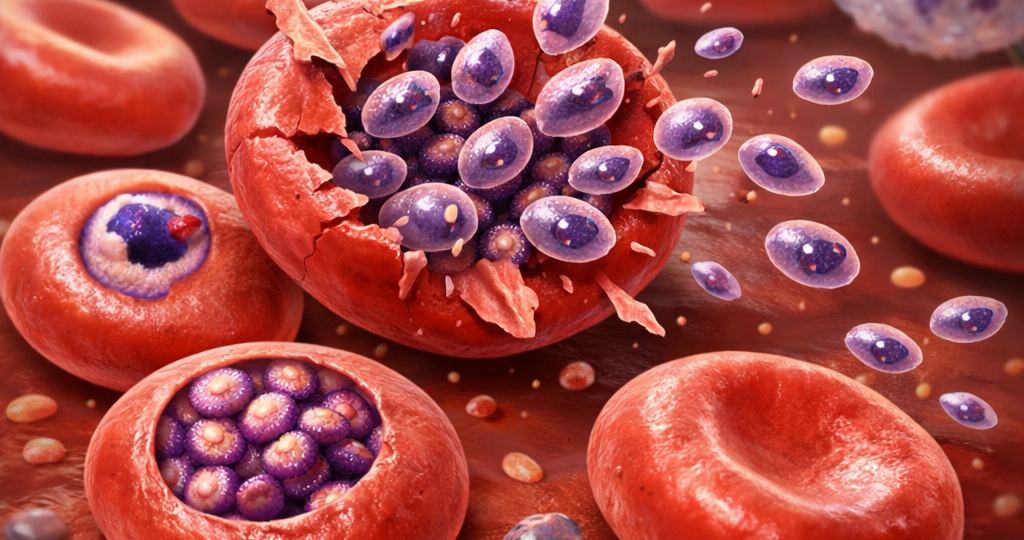
A Phase 1b controlled human malaria infection (CHMI) study published on June 10, 2026, in Science Translational Medicine has reported encouraging early clinical data for MMV367 (GSK3772701), an investigational pyrrolidinamide antimalarial. The study demonstrated that single oral doses of 20 mg or higher rapidly cleared blood-stage Plasmodium falciparum parasites in healthy volunteers experimentally infected with malaria, while showing a favorable safety and pharmacokinetic profile. The findings provide early proof of the drug’s biological activity in humans and support its continued clinical development as a potential new treatment for malaria.
Why New Antimalarials Are Urgently Needed
Malaria remains one of the world’s most significant infectious diseases, causing more than 280 million infections annually and placing a substantial burden on healthcare systems, particularly in low- and middle-income countries. Although global malaria control efforts have reduced disease burden over the past two decades, progress has slowed in recent years.
One of the greatest scientific challenges is the emergence and spread of drug-resistant Plasmodium falciparum. Partial resistance to artemisinin derivatives, the foundation of current first-line treatment for uncomplicated P. falciparum malaria, has been documented for nearly two decades in Southeast Asia and has more recently been reported in parts of Africa. These developments have intensified the need for antimalarial medicines that work through novel biological mechanisms and retain activity against resistant parasites.
What Is MMV367?
MMV367 (GSK3772701) is an investigational pyrrolidinamide antimalarial designed to interfere with parasite metabolism by targeting Plasmodium falciparum acyl-CoA synthetases 10 and 11, enzymes believed to play an important role in parasite survival. Because this mechanism differs from those of currently available antimalarial drugs, MMV367 has the potential to help address emerging resistance and may become a valuable component of future combination therapies if its efficacy is confirmed in larger clinical studies.
Study Design
The Phase 1b study (NCT05979207) used a controlled human malaria infection (CHMI) model, a well-established early clinical research approach in which healthy malaria-naïve volunteers are deliberately inoculated with blood-stage P. falciparum parasites under carefully monitored conditions to evaluate investigational antimalarial therapies.
Twelve healthy adult volunteers were inoculated with blood-stage P. falciparum 3D7-infected erythrocytes and subsequently received a single oral dose of MMV367 at escalating dose levels of 3 mg, 5 mg, 10 mg, 20 mg, 90 mg, or 1500 mg. All participants later received standard rescue treatment with artemether-lumefantrine on or before Day 24 to ensure complete parasite clearance.
Results
The study demonstrated rapid antimalarial activity following single-dose administration of MMV367. At doses of 20 mg or higher, the drug achieved a parasite clearance half-life of 2.2 to 4.3 hours, while viable parasites declined even more rapidly, with an elimination half-life ranging from 1.1 to 2.7 hours.
Pharmacokinetic analyses showed that maximum plasma concentrations were reached within 2 to 4 hours after dosing, and the drug exhibited an elimination half-life of approximately 12.9 to 18 hours, supporting sustained systemic exposure following a single oral dose. Pharmacokinetic and pharmacodynamic modeling further characterized the relationship between MMV367 concentrations and parasite killing, providing important information to guide dose selection for future clinical studies.
Researchers observed no reduction in in-vitro susceptibility to MMV367 and found no genetic determinants of resistance in drug-exposed parasite lines, suggesting that short-term exposure in this study did not promote detectable resistance.
Safety Findings
MMV367 was generally well tolerated across all evaluated dose levels. Most adverse events were attributed to the controlled malaria infection itself rather than the investigational drug, and no serious adverse events were reported. Furthermore, higher MMV367 doses were not associated with an increased frequency or severity of adverse events, supporting its favorable early safety profile.
Path Toward Clinical Development
Although this was a small early-phase study conducted in experimentally infected healthy volunteers rather than patients with naturally acquired malaria, the findings provide important proof of biological activity in humans. The rapid parasite clearance, favorable pharmacokinetic profile, and encouraging safety findings support the continued clinical development of MMV367 (GSK3772701). Larger clinical trials in patients with malaria will be needed to determine its efficacy, optimal dosing regimen, and potential role in future antimalarial treatment strategies, particularly as global efforts continue to combat the growing threat of antimalarial drug resistance.
Reference

About the Writer
Anamika Koshti (LinkedIn) is a PharmD professional and healthcare writer with interests in clinical research, pharmacovigilance, and evidence-based medicine. She has authored peer-reviewed publications on Alzheimer’s disease and PCOS, presented research at national conferences, and gained hands-on experience in medical content development and clinical data interpretation. She is committed to translating complex medical research into accurate, accessible content for healthcare professionals and patients.