
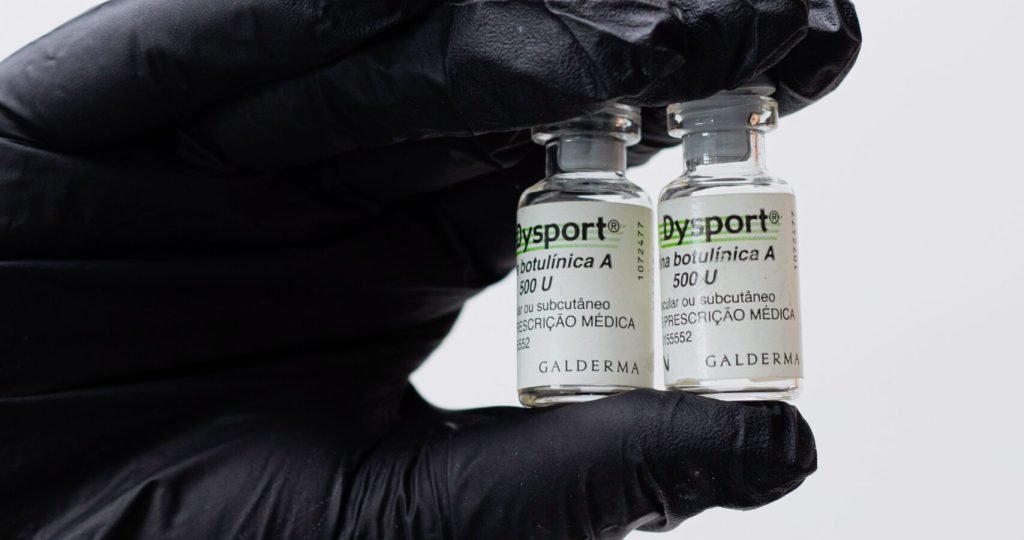
Ipsen’s Phase III BEOND program showed Dysport® significantly reduced monthly migraine days in both episodic and chronic migraine, marking the first botulinum toxin with Phase III efficacy across both subtypes.
Written By: Chikkula Pavan Kumar, PharmD
Reviewed By: Pharmacally Editorial Team
Ipsen has announced positive topline results from its Phase III BEOND clinical program evaluating Dysport® (abobotulinumtoxinA) for the prevention of episodic and chronic migraine in adults. Both the E-BEOND and C-BEOND studies met their primary endpoints, demonstrating statistically significant reductions in monthly migraine days compared with placebo. According to the company, BEOND is the first Phase III clinical program to demonstrate the efficacy of a botulinum toxin in preventing both episodic and chronic migraine.
The E-BEOND study also represents the first Phase III trial in which a botulinum toxin demonstrated statistically significant efficacy in episodic migraine, representing an important milestone in the development of preventive migraine therapies.
Phase III BEOND Program Met Primary Endpoints
The randomized, multicenter, placebo-controlled Phase III BEOND program consisted of two studies:
- E-BEOND (NCT06047457): Adults with episodic migraine, defined in the trial as experiencing up to 14 headache days per month, including at least six migraine days.
- C-BEOND (NCT06047444): Adults with chronic migraine, defined as experiencing 15 or more headache days per month, including at least eight migraine days.
A total of 1,510 patients were enrolled across 120 clinical centers.
Both studies achieved their primary endpoint, demonstrating a statistically significant change from baseline in monthly migraine days at Week 24, assessed over Weeks 21 to 24, compared with placebo. The extension phase of both trials will continue through Week 48, during which all participants will receive two additional treatment cycles of Dysport.
Safety Findings Consistent with Established Profile
Dysport was well tolerated across both Phase III studies. Ipsen reported that the observed safety findings were consistent with the product’s well-established safety profile in its approved indications, with no new or unexpected safety signals identified during the clinical program.
Potential to Expand Preventive Migraine Treatment
Migraine is a complex neurological disorder affecting an estimated 14% of the global population and remains associated with substantial disability and unmet treatment needs. While several preventive therapies are available, effective long-term options remain limited for many patients, particularly those with episodic migraine, which represents a substantially larger patient population than chronic migraine.
The Phase III findings suggest Dysport has the potential to expand preventive treatment options for both episodic and chronic migraine, pending regulatory review. The E-BEOND study represents the first successful Phase III demonstration of a botulinum toxin in episodic migraine, while the combined BEOND program establishes efficacy across the two major migraine subtypes.
Ipsen noted that detailed efficacy outcomes, including additional analyses from the BEOND program, will be presented at a future scientific congress.
Investigators Highlight Clinical Importance
Christelle Huguet, PhD, Executive Vice President and Global Head of Research and Development at Ipsen, said the findings represent a significant advance in the development of botulinum toxin therapies for migraine. She noted that BEOND is the first Phase III program to demonstrate efficacy in both episodic and chronic migraine, positioning Dysport as a potential first-in-class treatment for a broad migraine population.
Dr. Cristina Tassorelli, Professor and Chair of Neurology at the University of Pavia and Principal Investigator of the C-BEOND trial, said the results position Dysport as the first botulinum toxin to demonstrate efficacy for both episodic and chronic migraine prevention, supporting an advance in treatment options for patients.
Dr. Jessica Ailani, Clinical Professor of Neurology at MedStar Georgetown University Hospital and Principal Investigator of the E-BEOND trial, said preventive treatment options for episodic migraine remain limited and described the findings as encouraging because they may provide a new preventive therapy for a broad group of patients if approved.
What This Means for Patients
If approved by regulatory authorities, Dysport could become the first botulinum toxin supported by Phase III evidence for the prevention of both episodic and chronic migraine. The therapy demonstrated statistically significant reductions in monthly migraine days while maintaining a safety profile consistent with its long-established clinical use, potentially providing an additional preventive option for people whose migraine substantially affects daily activities, work productivity, and quality of life.
Reference

About the Writer
Chikkula Pavan Kumar (LinkedIn), PharmD is a Doctor of Pharmacy with a keen interest in clinical pharmacy, pharmacovigilance, and evidence-based practice. In his words, he is passionate about patient safety and translating complex medical information into clear, research-driven communication.