
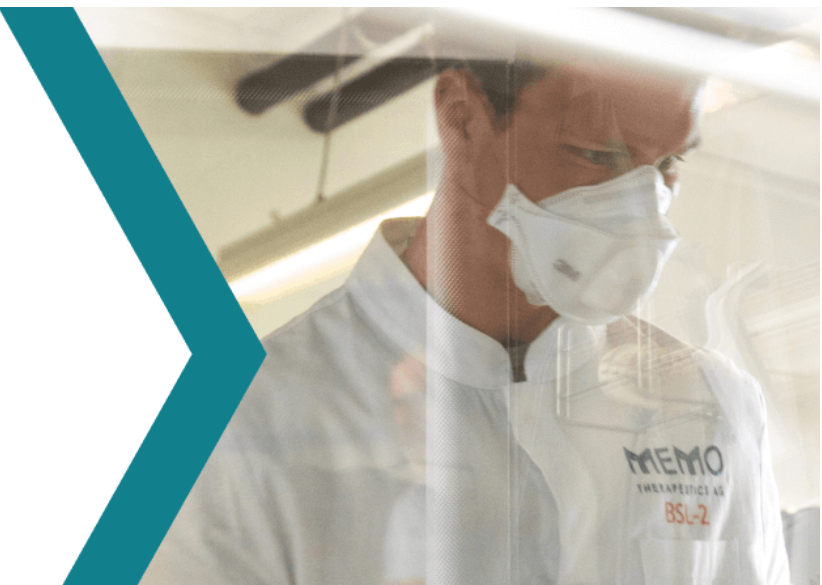
Ipsen will acquire Memo Therapeutics AG for up to €700M, securing potravitug, a Phase II monoclonal antibody for BK polyomavirus‑associated nephropathy in kidney transplant recipients. The deal strengthens Ipsen’s rare disease portfolio with a late‑stage asset addressing a major unmet need.
Written By: Chikkula Pavan Kumar, PharmD
Reviewed By: Pharmacally Editorial Team
Ipsen has entered into a definitive agreement to acquire Switzerland-based Memo Therapeutics AG, primarily to secure potravitug, a first-in-class monoclonal antibody in Phase II development for BK polyomavirus-associated nephropathy (BKPyVAN) in kidney transplant recipients. The transaction includes an upfront payment of €200 million, with additional development, regulatory, and commercial milestone payments that could increase the total deal value to more than €700 million.
The acquisition strengthens Ipsen’s rare disease portfolio by adding a late-stage clinical asset for a serious post-transplant complication that currently lacks approved targeted treatments. The transaction is expected to close in the third quarter of 2026, subject to customary closing conditions.
Potravitug Targets a Major Unmet Need After Kidney Transplantation
BK polyomavirus remains dormant in most individuals but frequently reactivates after kidney transplantation because of long-term immunosuppressive therapy. Viral reactivation can progress to BKPyVAN, causing progressive kidney damage, graft dysfunction, and ultimately transplant failure.
There are currently no approved therapies specifically targeting BKPyV infection. Standard management relies on reducing immunosuppressive medication, an approach that lowers viral replication but substantially increases the risk of acute graft rejection.
Potravitug is a monoclonal antibody targeting the VP1 capsid protein of BK polyomavirus. By preventing viral attachment and entry into host cells, the antibody blocks viral replication while preserving immunosuppressive treatment.
The therapy received U.S. FDA Fast Track designation in 2023 and European Union Orphan Drug designation in 2025.
Phase II SAFE KIDNEY II Results Support Pivotal Development
Clinical evidence supporting the acquisition comes from the Phase II SAFE KIDNEY II trial (NCT05769582), the largest placebo-controlled study conducted in patients with BKPyVAN. The multicenter study enrolled 95 kidney transplant recipients across 22 U.S. sites.
The trial demonstrated sustained antiviral activity with potravitug. By Week 38, 24.4% of treated patients achieved undetectable BKPyV DNA compared with 13.0% receiving placebo. More than a 2-log₁₀ reduction in viral load occurred in 40.3% of patients receiving potravitug versus 24.7% in the placebo arm.
Histological findings also favored treatment. Biopsy-confirmed BKPyVAN declined from 51.2% to 31.6% by Week 20 among patients receiving potravitug, whereas no improvement was observed with placebo.
The antibody was generally well tolerated, with no treatment-related serious adverse events reported.
Additional analyses presented at the American Transplant Congress (ATC) 2026 further strengthened the clinical evidence and supported progression into the planned SAFE KIDNEY III pivotal Phase II/III trial, expected to begin later this year.
Strategic Addition to Ipsen’s Rare Disease Portfolio
Christelle Huguet, PhD, Executive Vice President and Head of R&D at Ipsen, said potravitug strengthens the company’s rare disease pipeline and could become a first-in-class treatment for BK polyomavirus-associated nephropathy.
Erik van den Berg, CEO of Memo Therapeutics AG, said the acquisition validates the company’s scientific innovation and positions potravitug for global development through Ipsen’s rare disease expertise.
Regulatory Path Forward
If the upcoming pivotal SAFE KIDNEY III study confirms the Phase II findings, potravitug could become the first targeted therapy approved for BK polyomavirus-associated nephropathy. Such a treatment could offer transplant physicians an alternative to reducing immunosuppression, potentially preserving kidney graft function while directly controlling viral infection in a patient population with limited therapeutic options.
Reference

About the Writer
Chikkula Pavan Kumar (LinkedIn), PharmD is a Doctor of Pharmacy with a keen interest in clinical pharmacy, pharmacovigilance, and evidence-based practice. In his words, he is passionate about patient safety and translating complex medical information into clear, research-driven communication.