FDA clears Dexcom’s Stelo as the first over-the-counter continuous glucose monitor for children aged 2 and older who do not use insulin, expanding access to glucose monitoring and glycemic awareness.
Written By: Umesh Hanumante, PharmD
Reviewed By: Pharmacally Editorial Team
The U.S. Food and Drug Administration (FDA) has cleared the over the counter (OTC) use of the Stelo Glucose Biosensor System from Dexcom for children aged two years and older who do not use insulin. The decision expands the indication of the integrated continuous glucose monitor (iCGM), which previously received FDA clearance for adults aged 18 years and older in March 2024.
Stelo becomes the first OTC continuous glucose monitor available to pediatric users without a prescription, offering families a new tool to monitor glucose patterns and improve glycemic awareness outside traditional healthcare settings.
Expanding Access to Glucose Monitoring in Children
The clearance comes as prediabetes and Type 2 diabetes continue to affect a growing number of children in the United States. Continuous glucose monitoring can help pediatric users and caregivers better understand how meals, physical activity, and daily routines influence glucose levels.
The system is indicated for children, including those with diabetes managed through oral medications, as well as individuals who want to track the effects of diet, exercise, and lifestyle changes on glucose levels. However, it is not intended for people who use insulin.
The OTC availability of Stelo may help families identify glucose patterns and trends earlier in at-risk pediatric populations, potentially supporting preventive care discussions and lifestyle interventions.
Michelle Tarver, M.D., Ph.D., Director of the FDA’s Center for Devices and Radiological Health, said the clearance reflects the agency’s commitment to advancing innovative technologies that support pediatric health and enable safe device use in everyday environments.
How the Stelo System Works
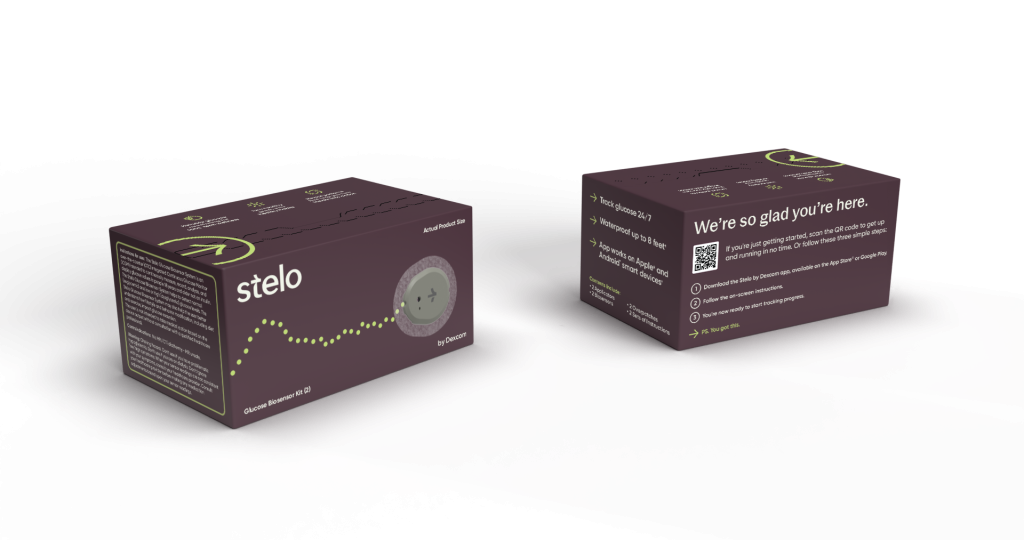
Stelo consists of a wearable glucose sensor paired with a smartphone application. The sensor continuously measures glucose levels and transmits data to a compatible smart device, including a caregiver’s smartphone.
The application displays glucose readings and trend information every 15 minutes, allowing users and caregivers to monitor glucose patterns throughout the day. Each sensor is intended to remain in place for up to 15 days before replacement, although wear time may be shorter in some pediatric users.
The FDA advises users and caregivers to consult healthcare professionals before making medication changes based on glucose readings generated by the device.
Real-World Evidence Supported Pediatric Clearance
The FDA clearance relied on a combination of previously collected clinical study data and real-world evidence (RWE). Dexcom and regulators analyzed performance data from both pediatric and adult users to assess expected device accuracy and reliability throughout the full 15-day wear period.
The decision highlights the increasing role of RWE in medical device regulation, particularly when evaluating device performance in broader patient populations.
Reported adverse events were generally mild and included local infections, skin irritation, pain, and discomfort at the sensor application site.
Important Safety Considerations
For pediatric users, Stelo should be used under adult supervision. The system does not provide alerts for problematic hypoglycemia and should not be used by individuals who experience severe or recurrent low blood sugar episodes. It is also not indicated for people receiving dialysis.
The FDA further recommends that individuals with a history of disordered eating or eating disorders discuss device use with their healthcare provider before starting glucose monitoring.
Commercial and Public Health Implications
The pediatric expansion strengthens Dexcom’s position in the growing consumer glucose monitoring market and supports broader adoption of CGM technology beyond insulin-treated diabetes. The clearance also aligns with the FDA’s Home as a Health Care Hub Initiative, which promotes patient-centered technologies that integrate more seamlessly into daily life and home-based care.
As consumer-focused glucose monitoring gains traction, broader access to OTC CGMs may help families identify glucose trends earlier, encourage healthier lifestyle choices, and support long-term metabolic health in younger populations.
Reference
FDA Clears First Over-the-Counter Continuous Glucose Monitor for Children | FDA

About the Writer
Umesh Hanumante (M.Pharm) (LinkedIn) is a pharmacy professional and healthcare writer with a background in Regulatory Affairs, pharmaceutical innovation, and clinical research. He has around two years of industry experience as an Executive PMT at Troikaa Pharmaceuticals Ltd and qualified GPAT 2024. His areas of interest include regulatory compliance, dossier preparation, clinical trials, emerging therapies, and advancements in the global pharmaceutical and healthcare sector.