
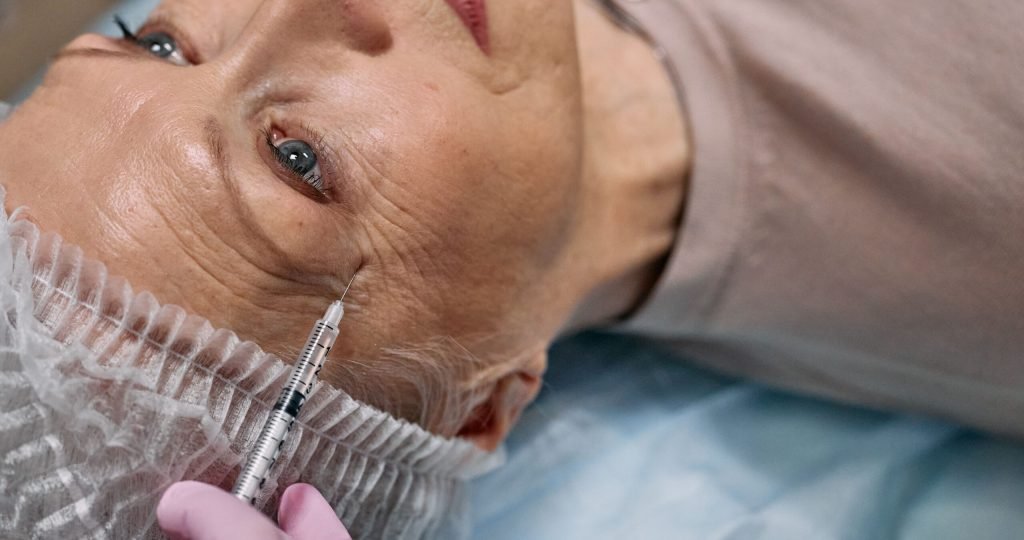
Galderma’s multinational survey reveals strong demand for anti‑wrinkle injectables that deliver rapid onset, long‑lasting efficacy, and natural‑looking results, with healthcare professionals emphasizing clinical evidence and patients prioritizing confidence and durability.
Written By: Disha Jadhao, BPharm
Reviewed By: Pharmacally Editorial Team
Anti-wrinkle injectable treatments remain the most widely performed nonsurgical aesthetic procedure worldwide, making practitioner and patient preferences an important indicator for manufacturers developing next-generation products. New survey findings from Galderma provide insight into what patients and healthcare professionals expect from anti-wrinkle treatments, highlighting growing demand for longer-lasting results, rapid onset, and clinically proven performance.
The survey, conducted across the United States, Brazil, the United Kingdom, and China, included 280 patients and 162 healthcare professionals (HCPs), including dermatologists, plastic surgeons, aesthetic physicians, and nurse injectors.
Demand for aesthetic treatments continues to expand globally. According to the survey, 85% of patients plan to maintain or increase their use of anti-wrinkle treatments in the future, including 97% of respondents in China and 87% in the UK.
Performance Drives Healthcare Professional Decision-Making
Among healthcare professionals, treatment performance emerged as the most important factor influencing product selection and purchasing decisions.
When asked which product features were most likely to influence purchasing decisions, 73% of HCPs ranked results lasting at least six months among their top three priorities. Highly active, pure formulations followed at 64%, while 60% cited rapid onset of action, including visible results as early as Day 1.
The same themes appeared when practitioners considered switching to a new product. Long-lasting efficacy ranked among the top three factors for 71% of respondents, followed by formulation purity (64%) and rapid onset (56%).
Clinical evidence also played a central role in treatment selection. 90% of HCPs ranked reliable clinical outcomes among their top three decision-making criteria, while 81% highlighted robust clinical studies. Natural-looking results were also highly valued, selected by 80% of respondents.
Beyond efficacy, practitioners increasingly value workflow efficiency. Ready-to-use liquid formulations received a benefit score of 7.5 out of 10, reflecting growing interest in products that reduce preparation time and simplify clinical practice.
Patients Prioritize Durable, Natural Results
Patients reported similar priorities, with treatment longevity and visible effectiveness emerging as key drivers of treatment choice.
Seventy-eight percent of patients ranked results lasting at least six months among the top features they would be willing to pay more for. The preference aligns with current treatment patterns, as more than 70% of surveyed patients reported receiving anti-wrinkle treatments only once or twice annually.
Rapid results also matter. Patients assigned a score above 8 out of 10 to visible improvements appearing as early as Day 1 after treatment.
The survey further highlighted the emotional impact of aesthetic procedures. When asked about the benefits experienced after treatment, respondents most frequently cited increased confidence, improved appearance, and enhanced overall well-being. Natural-looking outcomes ranked among the three most valued treatment benefits for 86% of patients, alongside reliable results and long-lasting efficacy.
Industry Implications
Commenting on the findings, New York plastic surgeon Dr. Sachin Shridharani said the results reflect growing demand for treatments that combine rapid onset with durable outcomes, characteristics that increasingly influence treatment planning and product selection in aesthetic practice.
The findings provide a clearer picture of how clinicians and patients evaluate anti-wrinkle products as manufacturers compete to differentiate therapies through duration of effect, speed of onset, formulation characteristics, and treatment convenience.
As competition intensifies across the aesthetics market, the survey suggests future product adoption will increasingly depend on a combination of proven clinical performance, strong supporting evidence, streamlined administration, and the ability to deliver natural-looking results that align with patient expectations. The data also offer valuable insights for companies developing the next generation of neuromodulator treatments as demand for minimally invasive aesthetic procedures continues to grow worldwide.
Reference

About the Writer
Meghana Jinka (LinkedIn) is a Pharm.D graduate with a strong interest in clinical pharmacy, clinical research, pharmacovigilance, and medical writing. She has developed expertise in evaluating scientific literature, interpreting clinical data, and communicating complex medical information in a clear and accessible manner. Through clinical training, patient counseling, and healthcare awareness activities, she has gained practical experience in evidence-based medicine and patient-centered care. Passionate about healthcare communication, Meghana is committed to developing accurate, engaging, and evidence-based healthcare documents that support healthcare professionals and the wider community.